The Ultimate Guide to Perfecting Homemade Guacamole
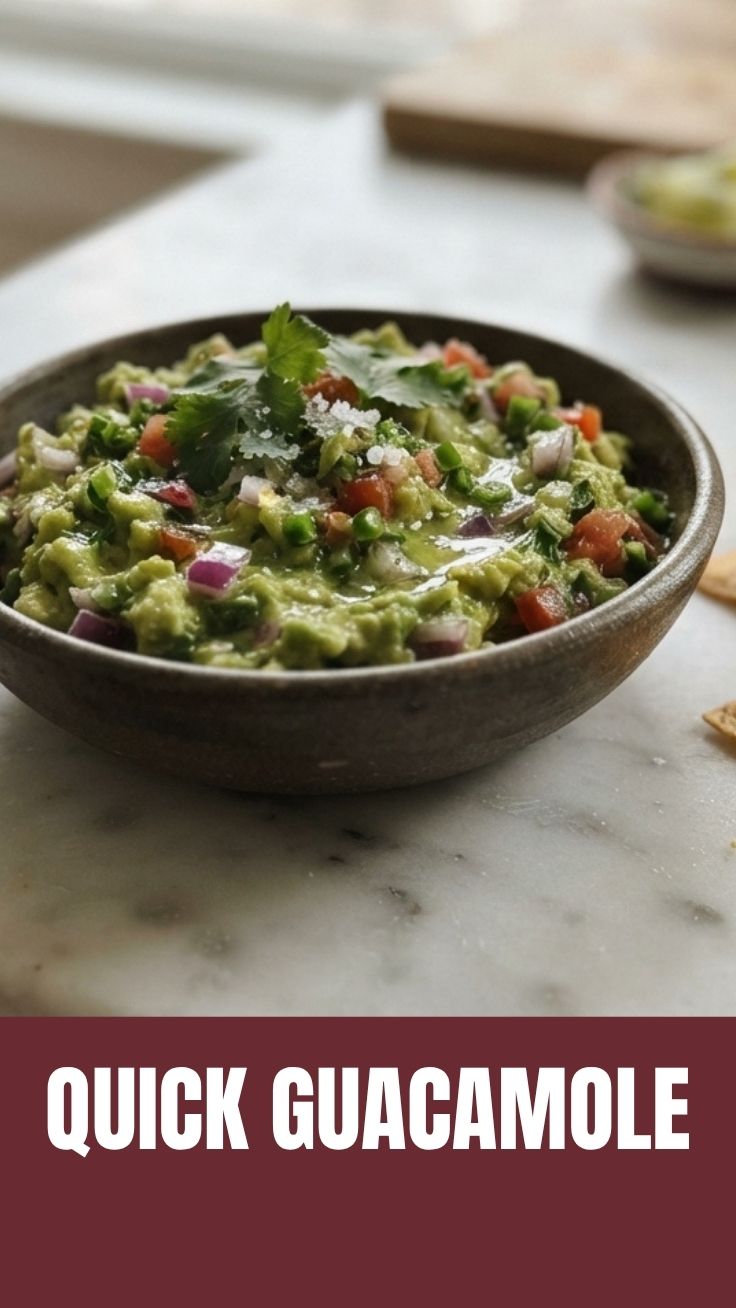
Have you ever wondered why restaurant guacamole tastes so much fresher and more vibrant than store-bought versions? The secret lies in the perfect balance of ripe avocados, fresh citrus, and the right technique. Preparing this beloved dip at home not only saves money but also allows you to control every ingredient—from the heat level to the texture. Whether you are hosting a party or simply craving a healthy snack, mastering Guacamole is a culinary skill worth developing. The best part? You can elevate it further by experimenting with smoky variations, such as Chipotle guacamole, which adds a depth of flavor that transforms the classic recipe into something extraordinary.
—
Ingredients & Kitchen Tools
Essential Ingredients
– 3 ripe avocados – Look for avocados that yield slightly to gentle pressure. Overly soft or hard avocados will ruin the texture.
– 1 medium lime – Fresh lime juice is non-negotiable; bottled juice lacks the bright acidity needed.
– 1/4 cup finely chopped red onion – Soak in cold water for 5 minutes to mellow the sharpness.
– 1 jalapeño pepper – Remove seeds and membranes for less heat, or leave them in for a spicy kick.
– 1 Roma tomato – Seeded and diced to prevent excess moisture.
– 1/4 cup fresh cilantro – Chopped stems and leaves; avoid dried cilantro.
– Sea salt – Start with 1/2 teaspoon and adjust to taste.
– Optional: 1 clove garlic – Microplaned or finely minced for extra depth.
Kitchen Tools
– Large mixing bowl – Glass or ceramic works best; avoid reactive metals like aluminum.
– Sharp knife and cutting board – For precise dicing.
– Fork or potato masher – For achieving the desired consistency.
– Citrus juicer – Maximizes juice extraction.
– Measuring spoons – For accuracy with salt and spices.
Substitutions
– Avocado – No substitute exists; the dish is defined by this fruit.
– Lime – Lemon juice can work but will alter the flavor profile.
– Jalapeño – Serrano peppers offer a similar heat level.
– Cilantro – Parsley can replace it for those who dislike the soapy taste.
—
Prep Time & Cooking Schedule
| Task | Time Required |
|——|—————|
| Prep ingredients | 10 minutes |
| Mixing and seasoning | 5 minutes |
| Resting time (optional) | 15 minutes |
| Total | 15–30 minutes |
Context: The actual hands-on time is minimal, making this an ideal last-minute appetizer. However, allowing the guacamole to rest for 15 minutes at room temperature lets the flavors meld beautifully. Prepare all ingredients before starting to ensure a smooth workflow.
—
Step-by-Step Instructions
1. Halve and pit the avocados – Cut each avocado lengthwise around the pit, twist to separate, and remove the pit with a gentle tap of the knife. Scoop the flesh into the mixing bowl.
2. Mash to preference – Use a fork or potato masher. For chunky guacamole, leave some larger pieces; for a smoother dip, mash thoroughly. Aim for a texture that is cohesive but not pasty.
3. Add the citrus – Squeeze the lime juice directly over the avocado and stir immediately. This prevents oxidation (browning) and provides the necessary acidity.
4. Incorporate aromatics – Fold in the red onion, jalapeño, tomato, and cilantro. Temperature control tip: Ensure all ingredients are at room temperature; cold onion or tomato can dull the avocado’s creamy texture.
5. Season gradually – Add 1/2 teaspoon salt, stir, taste, and adjust. Texture cue: The dip should be thick enough to hold its shape on a chip but not dry.
6. Final adjustments – For a smokier dimension, consider blending in a teaspoon of adobo sauce from canned chipotles. This is the foundation for Chipotle guacamole—a variation that adds a subtle heat and earthy depth. Meanwhile, the classic Guacamole relies on the purity of fresh ingredients, so taste as you go to find your perfect balance.
—
Nutritional Benefits & Advantages
This dip is a powerhouse of healthy fats, primarily from avocados, which are rich in monounsaturated fats that support heart health. Each serving provides:
– Vitamin K – Essential for bone health and blood clotting.
– Folate – Crucial for cell growth and DNA synthesis.
– Potassium – More per gram than bananas, aiding muscle function and blood pressure regulation.
– Fiber – Approximately 7 grams per half avocado, promoting digestive health.
The inclusion of lime juice adds vitamin C, while jalapeño provides capsaicin, which may boost metabolism. This dish is naturally gluten-free, dairy-free, and vegan, making it suitable for most dietary preferences.
—
Tips Variations & Cooking Advice
Flavor Variations
– Spicy mango guacamole – Fold in 1/2 cup diced mango for sweetness and heat.
– Roasted garlic version – Roast whole garlic cloves in olive oil at 400°F for 20 minutes, then mash into the avocado.
– Herb-forward – Add fresh mint or basil for a surprising twist.
Ingredient Swaps
– Tomato – Replace with roasted red peppers for a smoky-sweet note.
– Onion – Use shallots or green onions for a milder bite.
– Citrus – Experiment with grapefruit or orange juice for a less acidic profile.
Cooking Methods
– Grilled avocado – Halve and grill avocado for 2 minutes per side before mashing. This adds a charred, smoky flavor ideal for Chipotle guacamole variations.
– Food processor – Use a pulse function for a smoother dip, but avoid over-processing (it becomes gluey).
Dietary Adaptations
– Low-sodium – Omit added salt; rely on lime and spices for flavor.
– Low-fat – Not applicable; the fat in avocados is the star.
– Keto-friendly – Perfect as is; pair with pork rinds or cucumber slices.
—
Common Mistakes to Avoid
| Mistake | Solution |
|———|———-|
| Using underripe avocados | They will not mash properly and taste bitter. Wait until they yield to gentle pressure. |
| Over-mashing | This creates a paste rather than a textured dip. Stop when you see small chunks. |
| Adding too much lime juice | The dip will become watery and sour. Start with half the lime and adjust. |
| Skipping the salt | Salt is essential for flavor balance; without it, the dip tastes flat. |
| Not tasting as you go | Flavor perception varies by avocado ripeness and lime acidity. Always taste before serving. |
| Letting it brown | Press plastic wrap directly onto the surface before refrigerating to minimize oxidation. |
—
Storage & Meal Prep Tips
Refrigeration: Transfer guacamole to an airtight container, press plastic wrap directly onto the surface (eliminating air pockets), and seal. This keeps well for 1–2 days. Note that the top layer may discolor slightly; simply stir before serving.
Freezing: Not recommended. The texture breaks down upon thawing, resulting in a watery, grainy dip. If you must freeze, puree the guacamole first and add fresh lime juice after thawing.
Reheating: Do not heat guacamole—it is served cold or at room temperature. If chilled, let it sit at room temperature for 10 minutes before serving to restore creaminess.
Meal prep: Prep the dry ingredients (onion, jalapeño, tomato, cilantro) up to 24 hours in advance and store separately. Mash the avocado and combine just before serving for the freshest result.
—
Conclusion
Mastering homemade guacamole is about respecting the ingredients and understanding the balance of acidity, salt, and heat. Whether you stick with the classic Guacamole or venture into the smoky depths of Chipotle guacamole, the key is to taste, adjust, and enjoy the process. This dip is more than a side—it’s a celebration of fresh, wholesome flavors that anyone can create at home. Try it for your next gathering, share your results, and explore variations that suit your palate. Your perfect bowl is just a few avocados away.
—
FAQs
1. Can I use frozen avocados to make guacamole?
Yes, but the texture will be softer and less creamy. Thaw them completely, drain excess moisture, and mash thoroughly. This works best for smoother dips or when blending with other ingredients.
2. How do I fix guacamole that is too salty?
Add more mashed avocado to dilute the salt. Alternatively, mix in a spoonful of yogurt (if not dairy-free) or a squeeze of extra lime juice to balance the saltiness.
3. Why does my guacamole turn brown so quickly?
Oxidation occurs when avocado flesh is exposed to air. To prevent this, add lime juice immediately, cover the surface with plastic wrap, and store in an airtight container. The acids in the lime help slow browning.
4. Can I make guacamole without cilantro?
Absolutely. Replace cilantro with fresh parsley, chives, or even a small amount of mint. The flavor will change, but the dip remains delicious.
5. How long can guacamole sit out at room temperature?
No more than 2 hours. Because avocados are high in fat, they can spoil quickly at room temperature. If serving outdoors in warm weather, keep the bowl on ice to maintain a safe temperature.
Proven way to grow perfect Guacamole
Ingredients
Equipment
Method
- Cut the avocados in half, remove the pits, and scoop the flesh into a medium bowl.
- Mash the avocado flesh with a fork or potato masher to your desired consistency, leaving some chunks for texture.
- Stir in the lime juice immediately to prevent browning.
- Add the diced red onion, chopped cilantro, minced jalapeño (if using), salt, and black pepper to the mashed avocado.
- Mix all ingredients gently until well combined, being careful not to overmix.
- If desired, fold in diced tomato and minced garlic.
- Taste and adjust seasonings as needed, adding more salt, lime juice, or jalapeño to your preference.
- Serve immediately with tortilla chips, or cover tightly with plastic wrap directly on the surface of the guacamole to prevent browning and refrigerate until ready to serve.