The Ultimate Guide to Perfect Lemon Herb Roast Chicken
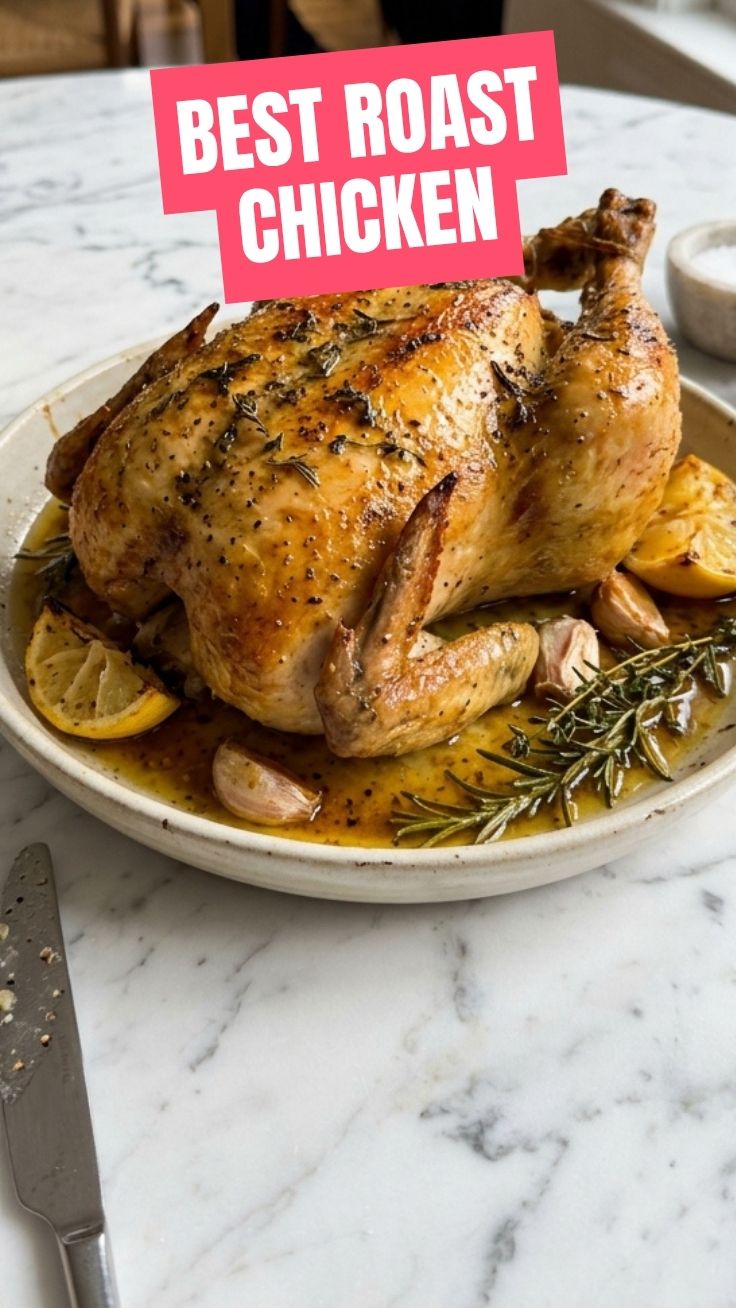
Have you ever wondered why some home cooks achieve that golden, crispy-skinned Roast Chicken with impossibly juicy meat while yours turns out dry or bland? The secret isn’t a fancy oven or expensive equipment—it’s understanding a few science-backed techniques that transform an ordinary bird into a showstopping centerpiece. Mastering this recipe at home not only saves you money compared to restaurant pricing but also fills your kitchen with an aroma that signals comfort and care. Whether you’re cooking for a Sunday family dinner or meal-prepping for the week, a well-executed roast chicken is one of the most rewarding dishes you can make. For those who want to expand their poultry repertoire, exploring other Chicken Recipes can provide variety while building on the same foundational techniques. This guide walks you through every detail to ensure your bird emerges perfectly bronzed and tender every time.
Ingredients & Kitchen Tools
For the Chicken:
– 1 whole chicken (4–5 pounds) – Look for air-chilled birds if possible; they retain less water and crisp better.
– 2 lemons – One for juicing, one for stuffing inside the cavity to infuse moisture and acidity.
– 4–6 garlic cloves – Smashed but left whole; they mellow during roasting and perfume the meat.
– 3 tablespoons olive oil or melted butter – Fat is essential for browning; butter adds deeper flavor.
– Fresh herbs (rosemary, thyme, sage) – Use 4–5 sprigs total; dried herbs work but reduce quantity by half.
– Salt and black pepper – Kosher salt is preferred for even seasoning; use 1 teaspoon per pound.
– Optional aromatics – Onion wedges, celery ribs, or bay leaves for extra depth.
Kitchen Tools:
– Roasting pan – A heavy-duty metal or ceramic pan with low sides promotes air circulation.
– Meat thermometer – The single most important tool; digital instant-read models are most reliable.
– Chef’s knife and cutting board – For trussing and prepping aromatics.
– Kitchen twine – Optional but helps maintain shape for even cooking.
– Basting brush or spoon – For coating skin with fat during cooking.
Substitution note: If fresh herbs aren’t available, use 1 tablespoon dried mixed herbs. For a dairy-free version, replace butter with avocado oil.
Prep Time & Cooking Schedule
Total timeline: 2 hours 15 minutes to 3 hours
– Prep time: 20 minutes (includes patting dry, seasoning, and trussing)
– Resting time before roasting: 30–45 minutes at room temperature – critical for even cooking.
– Roasting time: 60–90 minutes depending on bird size (13–15 minutes per pound at 425°F).
– Resting time after roasting: 15–20 minutes – allows juices to redistribute; never skip this.
Planning advice: Start preheating your oven 30 minutes before roasting. If your chicken is cold from the fridge, add 10–15 extra minutes to the cooking time. For best results, season the bird the night before and refrigerate uncovered overnight—this dries the skin for maximum crispiness.
Step-by-Step Instructions
1. Preheat and prepare – Set oven to 425°F with rack in the lower third. Remove chicken from fridge, pat thoroughly dry inside and out with paper towels (moisture is the enemy of crispy skin). Let sit at room temperature for 30 minutes.
2. Season aggressively – Rub the bird with olive oil or melted butter. Season generously with salt and pepper, including the cavity. Stuff the cavity with halved lemon, smashed garlic, and herb sprigs. Truss legs with twine by crossing them and tying to the tail—this helps the thighs cook evenly.
3. Roast undisturbed – Place chicken breast-side up in the roasting pan. Roast at 425°F for 45 minutes without opening the oven door. This high heat ensures a deep golden crust.
4. Baste and finish – Reduce temperature to 375°F. Baste with pan drippings, then continue roasting 15–30 more minutes. A perfectly done Roast Chicken reaches 160°F in the breast and 175°F in the thigh. If skin browns too quickly, tent loosely with foil.
5. Rest and carve – Remove chicken from oven, tilt to let juices from cavity flow into pan. Transfer to cutting board, tent with foil, and rest 15 minutes. Carve by removing legs first, then slicing breast against the grain. This straightforward method works beautifully across many Chicken Recipes, ensuring consistently moist results.
Pro tip: For extra-crispy skin, baste only after the first 45 minutes. Too much early moisture can steam the skin instead of crisping it.
Nutritional Benefits & Advantages
A single serving of roast chicken (about 6 ounces of breast meat) provides roughly 35 grams of protein with only 3 grams of saturated fat when skin is removed. The lemon and herb additions contribute vitamin C and antioxidants like rosmarinic acid from rosemary, which supports cognitive health. Chicken is also rich in niacin, selenium, and vitamin B6—nutrients essential for energy metabolism and immune function. Roasting at high temperatures without added liquid preserves more water-soluble vitamins compared to boiling or braising. For weight management, this preparation contains no added sugars or refined carbohydrates, making it suitable for low-carb and paleo diets. The natural gelatin released from bones during roasting also supports joint health when consumed as part of the meal.
Tips Variations & Cooking Advice
– Flavor variation: Replace lemon with orange and add smoked paprika for a Spanish-inspired profile. Try a yogurt-based marinade (Greek yogurt, garlic, cumin) for a tandoori-style bird.
– Cooking method change: Spatchcock (butterfly) the chicken by removing the backbone—this reduces roasting time by 30% and ensures white and dark meat finish at the same time.
– Dietary adaptation: For gluten-free diets, skip any pre-seasoned commercial spice blends that might contain additives. Dairy-free versions work perfectly with olive oil alone.
– Portion adjustment: For smaller households, roast chicken thighs or legs instead—they cook faster and remain forgiving even if slightly overcooked.
Common Mistakes to Avoid
| Mistake | Solution |
|———|———-|
| Skipping the pat-dry step | Use paper towels to remove all surface moisture; refrigerate uncovered overnight if time allows. |
| Roasting cold chicken | Always let the bird sit at room temperature for 30 minutes before cooking to promote even heating. |
| Overcrowding the pan | Use a pan that fits the chicken with at least 2 inches of space around it for proper heat circulation. |
| Cutting immediately after roasting | Rest the chicken for at least 15 minutes to prevent juices from spilling onto the cutting board. |
| Using the wrong thermometer placement | Insert thermometer into the thickest part of the thigh without touching bone; breast should reach 155°F for carryover cooking. |
Storage & Meal Prep Tips
Refrigeration: Store leftover chicken in an airtight container within 2 hours of cooking. Consume within 3–4 days. Remove meat from bones before storing to prevent moisture loss.
Freezing: Shred or slice cooled meat, place in freezer-safe bags, remove excess air, and freeze for up to 3 months. Label with date and portion size.
Reheating: For best texture, reheat in a 350°F oven for 10–12 minutes with a splash of broth or water to restore moisture. Avoid microwaving, which toughens the meat and ruins crispy skin. Use leftover bones to make chicken stock by simmering with vegetables for 2 hours—strain and freeze for future soups.
Conclusion
Mastering a perfect roasted chicken transforms a simple ingredient into a memorable meal that delivers both comfort and nutrition. The key takeaways are straightforward: start with a well-dried bird, use aggressive seasoning, roast at high heat for browning, and always rest before carving. Whether you’re following this technique for a classic Roast Chicken or adapting it to other Chicken Recipes you love, these principles will consistently produce juicy meat and crackling skin. I encourage you to try this recipe this weekend—invite friends over or simply treat yourself to leftovers that shine in salads, sandwiches, and soups. Share your results in the comments or tag your photos online; your success might inspire someone else to pick up a skillet and start cooking with confidence.
FAQs
Q: Can I use a frozen chicken for this recipe?
A: Yes, but thaw completely in the refrigerator (24 hours per 5 pounds). Never roast a frozen or partially frozen chicken, as the exterior will overcook before the interior reaches safe temperature.
Q: Why did my chicken come out dry even though I followed the timing?
A: Chicken size and oven calibration vary. Use a meat thermometer instead of relying solely on time. Dryness often results from overcooking—remove the bird when the breast reaches 155°F (it will rise to 160°F during resting).
Q: Can I substitute dried herbs for fresh?
A: Absolutely. Use 1 teaspoon dried rosemary, ½ teaspoon dried thyme, and ½ teaspoon dried sage instead of fresh sprigs. Rub dried herbs under the skin for best flavor penetration.
Q: How do I fix bland-tasting roast chicken?
A: Salt the bird at least 2 hours before cooking (or overnight). Salt penetrates deeper over time, seasoning the meat rather than just the surface. Also, don’t skip salting the cavity.
Q: Can I roast vegetables alongside the chicken?
A: Yes, but add them during the last 40 minutes of cooking. Potatoes, carrots, and onions work well—cut into uniform sizes and toss with pan drippings halfway through. Avoid overcrowding or they’ll steam instead of roast.
How to grow a 5-ingredient roast chicken roast chicken
Ingredients
Equipment
Method
- Preheat your oven to 400°F (200°C) and remove the chicken from its packaging, patting it dry with paper towels.
- Season the chicken generously inside and out with salt and black pepper.
- Drizzle the chicken with olive oil, ensuring it's evenly coated, then place the halved lemons inside the chicken cavity.
- Place the chicken in a roasting pan and roast for 75-90 minutes, or until the internal temperature reaches 165°F (74°C) in the thickest part of the thigh.
- Once cooked, remove the chicken from the oven, tent it with foil, and let it rest for 10-15 minutes before carving and serving.