Why Your Store-Bought Salsa Will Never Match This Fresh Pico de Gallo
Have you ever wondered why the salsa at your favorite taqueria tastes so much brighter and more vibrant than anything you can buy in a jar? The secret isn’t a special ingredient or a family recipe passed down for generations—it’s the simple, transformative power of freshness. When you prepare Pico de Gallo at home, you control every single element, from the ripeness of the tomatoes to the sharpness of the lime. This isn’t just about saving money; it’s about unlocking a flavor profile that fades the moment those vegetables are chopped and stored. There’s a reason this classic Mexican condiment is also known as Pico de Gallo, and mastering it at home is one of the most valuable skills you can have in the kitchen. Today, we’re going to dive deep into crafting the perfect bowl, using the freshest ingredients and a few pro-level techniques, so you can serve up a salsa fresca that will genuinely impress.
Ingredients & Kitchen Tools
The beauty of this recipe lies in its simplicity, but quality matters immensely. Here is your complete shopping and prep list.
Ingredients:
– Roma Tomatoes (6 medium): These are the gold standard for this dish because they have fewer seeds, firmer flesh, and less watery pulp than other varieties. Look for deep red, heavy-feeling tomatoes.
– White Onion (1 medium, about ½ cup diced): White onion provides the sharp, clean bite needed to balance the sweetness of the tomato. Red onion is a common substitute, offering a milder, slightly sweeter flavor.
– Fresh Cilantro (½ cup packed, finely chopped): Use both leaves and tender stems. Cilantro is non-negotiable for an authentic profile. If you are part of the population that finds it soapy, substitute with flat-leaf parsley for a different but still fresh herbal note.
– Jalapeño (1-2 peppers depending on heat preference): This provides the heat. For a milder salsa, remove the seeds and white membranes. For more kick, leave some or all of them in. Serrano peppers are a great, spicier alternative.
– Fresh Lime Juice (from 2-3 limes): This is your primary acid and preservative. Use freshly squeezed juice only; bottled juice will introduce an artificial, flat flavor.
– Kosher Salt (½ teaspoon, plus more to taste): Salt is the crucial element that pulls the moisture out of the vegetables and melds the flavors together.
– Optional Add-ins: A pinch of ground cumin for earthiness, a diced clove of garlic (use sparingly, it can overpower), or a teaspoon of olive oil for a richer mouthfeel.
Kitchen Tools:
– Cutting Board: A large, stable board is essential for safe and efficient chopping.
– Chef’s Knife (8-inch): A sharp, heavy knife makes dicing the tomatoes and onions effortless and precise.
– Mixing Bowl: Use a non-reactive bowl—glass, ceramic, or stainless steel. Aluminum or copper bowls can react with the lime juice and impart a metallic taste.
– Citrus Juicer or Reamer: To easily extract the maximum amount of juice from your limes without getting seeds in the bowl.
– Measuring Cups and Spoons: For precision, especially with salt and lime juice, until you can adjust by taste.
Prep Time & Cooking Schedule
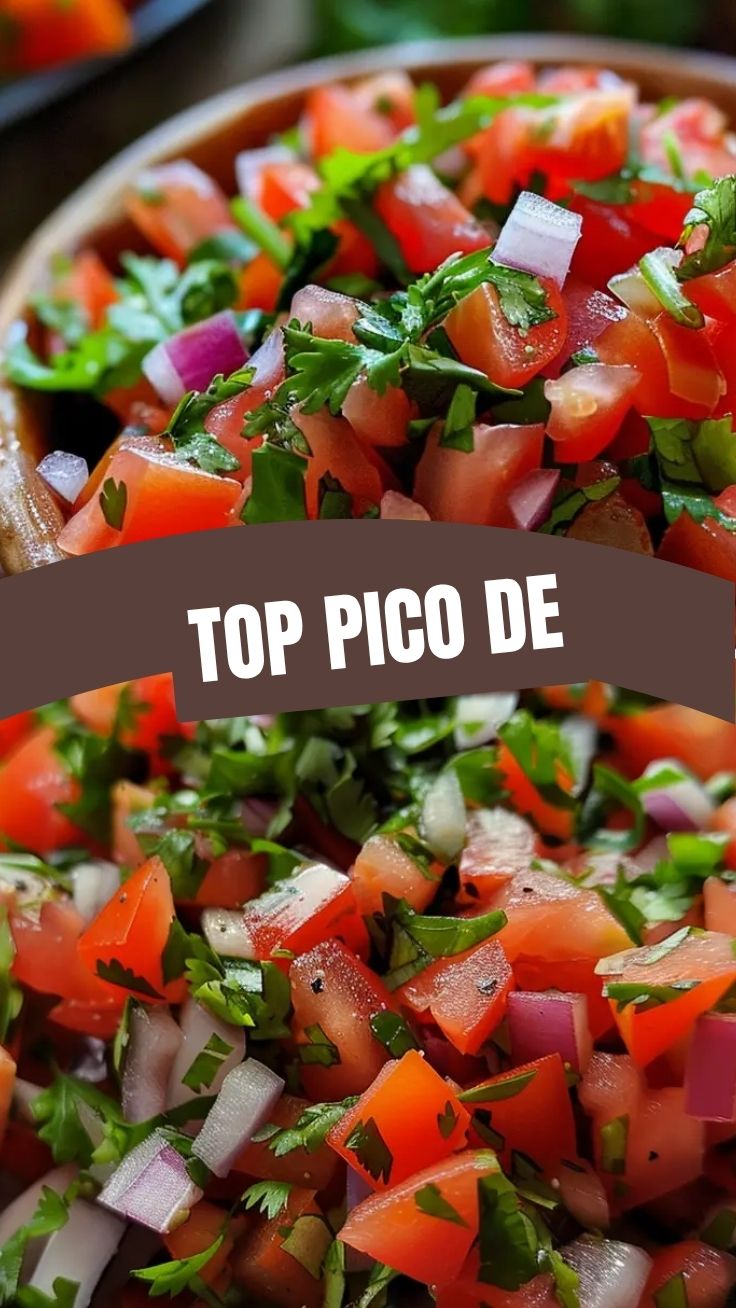
This is one of the fastest fresh condiments you can make. Total hands-on time is incredibly short, making it perfect for last-minute gatherings.
– Prep Time: 15-20 minutes. This includes washing, dicing, and combining all ingredients.
– Marinating/Resting Time: 15-30 minutes. This is the most important “cooking” step. Allowing the mixture to rest at room temperature lets the salt draw the juices from the tomatoes, allowing all the flavors to meld and marry together. Do not skip this.
– Total Time: Approximately 35-45 minutes from start to serving.
Planning Tip: You can prepare the individual components (dice the tomatoes, onions, and jalapeño) up to 2 hours in advance and store them separately in the refrigerator. However, do not combine them or add the lime juice and salt until just before you plan to serve, as the texture will degrade quickly.
Step-by-Step Instructions
Let’s get to the heart of the process. The goal here is texture: you want distinct, bite-sized pieces, not a pulpy mush.
1. Prep the Tomatoes: Core the Roma tomatoes by cutting out the tough stem area. Slice them in half lengthwise. Use a small spoon or your finger to gently scoop out the watery seeds and gel. This step is crucial to prevent a watery Pico de Gallo. Dice the remaining flesh into ¼-inch cubes. Place them in your mixing bowl.
2. Dice the Aromatics: Dice the white onion to the same ¼-inch size as the tomatoes. Finely chop the cilantro, including the tender stems. Mince the jalapeño very finely. For the best distribution of heat, mince it to the same size as the other components.
3. Combine and Season: Add the onion, cilantro, and jalapeño to the bowl with the tomatoes. Add ½ teaspoon of kosher salt and the juice of 2 limes.
4. The Resting Phase (Crucial): Stir everything together gently but thoroughly. Taste a small piece—you should detect the sharpness of the lime and a distinct saltiness. Let the mixture sit at room temperature for 15-30 minutes.
5. Final Adjustments: After the rest, you will see a pool of flavorful liquid at the bottom of the bowl. Give it a final stir. Taste again. This is your moment to adjust. Does it need more lime for acidity? More salt to brighten the flavors? More jalapeño for heat? This is the very essence of a perfect Pico de Gallo. A well-balanced salsa fresca should sing with freshness, having a perfect interplay of heat, acid, salt, and herbal notes.
Nutritional Benefits & Advantages
This is not just a flavor powerhouse; it’s a nutritional one. A standard half-cup serving of this homemade salsa contains roughly 25-30 calories, making it an incredibly low-calorie way to add massive flavor to any meal.
– Tomatoes: Rich in Lycopene, a powerful antioxidant linked to reduced risk of heart disease and cancer. Cooking tomatoes increases lycopene availability, but eating them raw provides high levels of Vitamin C.
– Onions and Jalapeños: Both are excellent sources of antioxidants like quercetin. The capsaicin in jalapeños has metabolism-boosting and anti-inflammatory properties.
– Cilantro: This herb is a natural chelator, meaning it can help bind to heavy metals and remove them from the body.
– Lime Juice: Packed with Vitamin C, which helps your body absorb the iron from other foods consumed in the same meal.
The primary advantage over store-bought versions is the complete control over sodium. You can use a high-quality sea salt in a small amount, whereas jarred salsas are often packed with sodium as a preservative.
Tips Variations & Cooking Advice
Never be afraid to make this recipe your own. It is incredibly forgiving.
– Flavor Variations:
– Fruity: Add ½ cup of finely diced mango, pineapple, or peach for a completely different, sweet-and-spicy profile.
– Roasted: For a deeper, smokier flavor, you can char the tomatoes, onion, and jalapeño on a comal, in a dry skillet, or under the broiler before dicing.
– Creamy: Stir in a diced avocado just before serving for a creamy, rich texture that transforms the dish into a guacamole-style salsa.
– Ingredient Swaps:
– Swap white onion for red or sweet onion.
– Use serrano peppers instead of jalapeño for more heat.
– For a milder version, use a bell pepper (and remove the seeds).
– Dietary Adaptations: This recipe is naturally gluten-free, vegan, dairy-free, and paleo-friendly. It is a universal condiment.
Common Mistakes to Avoid
Making Pico de Gallo is simple, but a few small errors can lead to a watery, bland result.
1. Using the Wrong Tomatoes: Roma tomatoes are best. Beefsteak or other slicing tomatoes are too watery and full of gel. If you can only find large tomatoes, be extra diligent in removing the seeds.
2. Skipping the Salting and Resting Step: This is the #1 mistake. The salt is not just for flavor; it’s the catalyst for the “marriage” of ingredients. Skipping it results in a disjointed, weak-tasting salsa.
3. Over-chopping: Your goal is a chunky relish, not a paste. Dicing the ingredients too small creates a mushy, unappealing texture.
4. Using Bottled Lime Juice: This is non-negotiable. Bottled juice lacks the bright, floral acidity of fresh juice and will dull the entire dish.
Storage & Meal Prep Tips
Freshness is the pinnacle of this dish, so storage is limited.
– Refrigeration: Store any leftovers in an airtight container in the refrigerator. The texture and flavor are best within 24 hours. After 2-3 days, the tomatoes will become soft and watery.
– Freezing: Do not freeze this salsa. The cellular structure of the tomatoes and peppers will be completely destroyed upon thawing, leaving you with a watery, slushy mess. It is not suitable for freezing.
– Reviving Leftovers: If the salsa has softened but still tastes good, drain off some of the excess liquid. You can also add a squeeze of fresh lime juice and a pinch of fresh salt to help revive the flavors. It works well as a cooked sauce on tacos or eggs.
Conclusion
Creating a vibrant, authentic Pico de Gallo is more than just a recipe; it’s a foundational skill that elevates everything from simple tacos to grilled fish. By mastering the balance of fresh ingredients, the crucial resting period, and understanding the role of salt and acid, you turn a simple condiment into a star. This fresh salsa fresca is a testament to how a handful of raw, quality ingredients can create something truly spectacular. Now that you have the blueprint, I encourage you to make a batch. Taste it, adjust it, and share it. Once you taste the difference that 30 minutes makes, you’ll never go back to the jarred version.
FAQs
1. Can I use canned tomatoes for Pico de Gallo?
No. The texture and flavor of canned tomatoes are completely different. They are cooked and preserved, resulting in a soft, mushy texture and a “tinny” flavor that cannot replicate the crisp freshness of a raw Roma tomato.
2. Why is my Pico de Gallo so watery?
This is usually from not removing the seeds and gel from the tomatoes. Also, if you salt it and let it sit for several hours or overnight, the salt will naturally draw out moisture, and it will become watery. It’s best to serve it within an hour of finishing.
3. Can I make it less spicy?
Absolutely. The heat comes from the jalapeño’s seeds and white membranes. To make it mild, cut the jalapeño in half and use a spoon to scrape out all the white pith and seeds before dicing the green flesh. Use just one pepper.
4. How do I keep my Pico de Gallo fresh for a party?
The best strategy is to make the salsa up to an hour before the party and keep it refrigerated until just before serving. Do not let it sit out at room temperature for more than 2 hours (1 hour if the room is very warm). The acidic lime juice provides some protection, but proper temperature control is key.
5. Can I substitute cilantro with something else?
Yes. If you dislike cilantro, use flat-leaf parsley. It won’t taste Mexican, but it will provide a fresh, green herbaceousness that works well. You can also use a combination of parsley and a tiny amount of mint for a very different but interesting flavor profile.
Quick way to grow 7 Pico de Gallo recipesPico de Gallo
Ingredients
Equipment
Method
- Combine all ingredients for the selected pico de gallo variation in a medium-sized bowl.
- Stir gently to ensure all ingredients are well combined and coated with lime juice.
- Taste the pico de gallo and adjust seasoning with salt, adding more if desired.
- Serve your fresh pico de gallo immediately with tortilla chips, tacos, grilled meats, or as a topping for salads.
- For best flavor, consume pico de gallo within 1-2 days of preparation; store any leftovers in an airtight container in the refrigerator.