The Ultimate Guide to Bakery-Worthy Oatmeal Cookies: Secrets for Perfectly Chewy Results Every Time
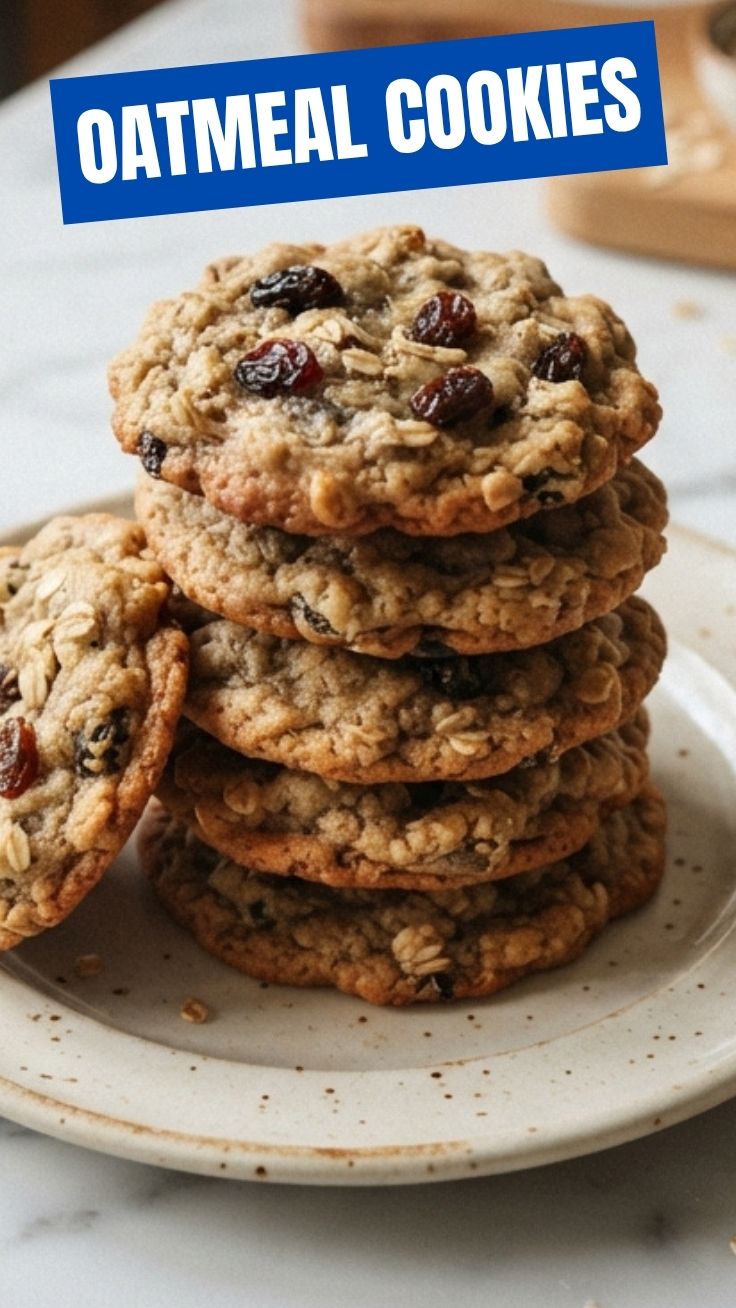
Have you ever bitten into a store-bought cookie only to be met with a dry, crumbly disappointment that tastes more like cardboard than comfort? There’s a reason why homemade baking remains unmatched: you control the texture, the sweetness, and the freshness. When you create these classic oatmeal cookies from scratch, you unlock a world of customizable flavor that no packaged version can replicate. Not only are they incredibly satisfying to make, but they also fill your home with an irresistible aroma that signals warmth and care. Before we dive into the science of perfecting these treats, let’s also explore their close cousin, oatmeal raisin cookies, which offer a slightly different yet equally delightful experience. Preparing this recipe at home is valuable because it saves money, avoids preservatives, and allows you to tailor every bite to your preference.
Ingredients & Kitchen Tools
Required Ingredients
– 1 cup (2 sticks) unsalted butter, softened – Provides richness and structure; ensure it’s at room temperature for proper creaming.
– 1 cup packed light brown sugar – Adds moisture and a deep caramel note; dark brown sugar works for a stronger molasses flavor.
– ½ cup granulated sugar – Contributes to spread and crisp edges.
– 2 large eggs – Bind the dough and add tenderness; use room-temperature eggs for better emulsification.
– 1 teaspoon vanilla extract – Enhances overall flavor; pure extract is preferred over imitation.
– 1½ cups all-purpose flour – For structure; substitute with a 1:1 gluten-free blend if needed.
– 1 teaspoon baking soda – Helps cookies rise and spread properly.
– ½ teaspoon salt – Balances sweetness and boosts flavor.
– ½ teaspoon ground cinnamon – Adds warmth; optional but recommended.
– 3 cups old-fashioned rolled oats – Provide chewy texture; quick oats work but produce a softer cookie.
– 1 cup raisins or chocolate chips – For classic oatmeal raisin or chocolate chip variation.
Kitchen Tools
– Large mixing bowls – At least one for dry and one for wet ingredients.
– Electric hand mixer or stand mixer – For creaming butter and sugar until light and fluffy.
– Rubber spatula – For folding oats and mix-ins without overworking the dough.
– Baking sheets – Preferably light-colored to prevent over-browning.
– Parchment paper or silicone baking mats – Non-stick surface ensures easy removal.
– Cookie scoop (about 2 tablespoons) – Creates uniform portions for even baking.
– Cooling rack – Allows air circulation to prevent soggy bottoms.
Prep Time & Cooking Schedule
– Prep Time: 15 minutes – Includes measuring, softening butter, and mixing dough.
– Chill Time: 30 minutes minimum (optional but recommended) – Chilling prevents excessive spreading and deepens flavor. For best results, chill dough for 1–2 hours.
– Bake Time: 10–12 minutes per batch – Rotate pans halfway through for even browning.
– Cooling Time: 5 minutes on baking sheet, then transfer to wire rack.
Plan your schedule: If you want fresh cookies for an afternoon snack, start at least 1.5 hours ahead to account for chilling. Double the batch and freeze half for future cravings.
Step-by-Step Instructions
1. Preheat and prepare – Set your oven to 350°F (175°C). Line two baking sheets with parchment paper.
2. Cream butter and sugars – In a large bowl, beat softened butter, brown sugar, and granulated sugar on medium speed until light and fluffy (about 3 minutes). Scrape down sides.
3. Add eggs and vanilla – Beat in eggs one at a time, then vanilla. Mixture should look smooth and slightly thickened.
4. Combine dry ingredients – In a separate bowl, whisk together flour, baking soda, salt, and cinnamon. Gradually add to wet mixture, mixing on low just until combined.
5. Fold in oats and mix-ins – Use a spatula to gently fold in rolled oats and your choice of raisins or chocolate chips. Do not overmix; this develops gluten and makes cookies tough.
6. Chill the dough – Cover bowl with plastic wrap and refrigerate for at least 30 minutes. This step is crucial for achieving the perfect texture in your oatmeal cookies; it prevents them from spreading into thin, crispy discs.
7. Scoop and bake – Using a cookie scoop, drop rounded tablespoons of dough onto prepared sheets, spacing 2 inches apart. Bake for 10–12 minutes, until edges are golden brown but centers still look slightly underdone.
8. Cool properly – Let cookies rest on baking sheet for 5 minutes (they continue cooking from residual heat), then transfer to a wire rack. For a softer texture, remove from oven when centers are just set; for crispier cookies, add 1–2 minutes. Remember, oatmeal raisin cookies benefit from a slightly longer bake if you prefer a chewier raisin texture.
Nutritional Benefits & Advantages
Oatmeal cookies offer surprising nutritional perks when made with whole ingredients. Rolled oats are a rich source of beta-glucan, a soluble fiber that helps lower cholesterol and stabilize blood sugar levels. A single cookie (using this recipe) provides approximately 120–150 calories, 2g protein, and 1g fiber, depending on mix-ins. The brown sugar in this recipe provides molasses content, which contains small amounts of iron, calcium, and magnesium. By baking at home, you control the sugar quantity—you can reduce it by ¼ cup without sacrificing texture. Additionally, old-fashioned oats have a lower glycemic index than refined flours, making these cookies a smarter choice for sustained energy when enjoyed in moderation.
Tips Variations & Cooking Advice
– Flavor variations: Swap cinnamon for pumpkin pie spice (autumn twist) or add ½ teaspoon of nutmeg. For a tropical version, use coconut flakes and macadamia nuts.
– Dietary adaptations: Use coconut oil (solid state) instead of butter for a dairy-free option. Replace eggs with flax eggs (1 tablespoon ground flaxseed + 3 tablespoons water per egg). For gluten-free, use certified gluten-free oats and a 1:1 gluten-free flour blend.
– Texture tweaks: Press a few extra oats or chocolate chips onto the tops of dough balls before baking for a bakery-style look. For thinner, crispier cookies, flatten dough balls slightly with your palm.
– Portion changes: Use a small cookie scoop (1 tablespoon) for 30–36 mini cookies (bake 8–10 minutes). For giant cookies (4 tablespoons per ball), increase bake time to 14–16 minutes.
Common Mistakes to Avoid
– Skipping the chill – Warm dough spreads too much, resulting in flat, greasy cookies. Always chill for at least 30 minutes.
– Overmixing – Once flour is added, mix only until combined. Overworking develops gluten, producing tough, dense cookies.
– Using old baking soda – Check expiration; baking soda loses potency after 6 months. Test by dropping a teaspoon into vinegar—it should fizz vigorously.
– Overbaking – Oatmeal cookies continue to cook on the hot sheet after removal. Pull them out when edges are browned but centers still look slightly underdone.
– Wrong oat type – Steel-cut oats will not soften enough during baking; use rolled oats for best texture. Instant oats work but produce a more cake-like cookie.
Storage & Meal Prep Tips
Room temperature: Store cookies in an airtight container with a slice of bread (absorbs excess moisture) for up to 5 days. Reheating: Microwave for 10–15 seconds to restore freshness. Freezing: Freeze baked cookies in a single layer on a baking sheet, then transfer to a freezer bag for up to 3 months. For unbaked dough, scoop into balls, freeze on a sheet, then store in a bag. Bake directly from frozen, adding 2–3 minutes to bake time. To maintain crisp edges with a soft center, reheat frozen baked cookies in a 300°F oven for 5 minutes.
Conclusion
Mastering these oatmeal cookies at home is about understanding the balance between moisture, fat, and structure. The key takeaways are simple: cream thoroughly, chill diligently, and bake with confidence. Whether you prefer the classic version or a batch of oatmeal raisin cookies, the same principles apply—patience during chilling and a watchful eye on the oven yield consistently perfect results. This recipe is forgiving enough for beginners yet rewarding enough for experienced bakers looking for a reliable base to customize. We encourage you to try this recipe, share your results with friends, or explore other wholesome baked goods on our site. Your kitchen is about to become everyone’s favorite coffee shop.
FAQs
1. Can I use quick oats instead of rolled oats?
Yes, but the texture will be softer and less chewy. Quick oats are more finely chopped, so they absorb liquid faster and produce a denser, more cake-like cookie. For best results, stick with old-fashioned rolled oats.
2. Why did my cookies spread too much?
Common causes include insufficient chilling time, too much butter, or overly warm butter. Ensure your butter is softened but not melted. Chill dough for at least 30 minutes and measure flour using the spoon-and-level method.
3. Can I reduce the sugar without affecting texture?
You can reduce the total sugar by ¼ cup (about 2 tablespoons from each type) without major texture changes. However, sugar contributes to spread and moisture, so larger reductions may result in denser cookies.
4. How do I make these cookies gluten-free?
Use certified gluten-free rolled oats and substitute all-purpose flour with a 1:1 gluten-free baking blend (ensure it contains xanthan gum). No other adjustments needed—the cookies will still hold together well.
5. Can I substitute butter with oil or margarine?
Butter provides the best flavor and structure. Coconut oil (solid) works for dairy-free, but cookies will be slightly crumblier. Margarine with at least 80% fat content is acceptable, but avoid spreads with water content.
Oatmeal Cookies
Ingredients
Equipment
Method
- Preheat your oven to 350°F (175°C) and line baking sheets with parchment paper or silicone mats.
- In a medium bowl, whisk together the flour, baking soda, salt, and cinnamon; set aside.
- In a large bowl, cream together the softened butter, granulated sugar, and brown sugar until light and fluffy.
- Beat in the eggs one at a time, then stir in the vanilla extract.
- Gradually add the dry ingredient mixture to the wet ingredients, mixing until just combined.
- Fold in the rolled oats and any optional add-ins like raisins or chocolate chips.
- Drop rounded tablespoons of dough onto the prepared baking sheets, spacing them about 2 inches apart.
- Bake for 10-12 minutes, or until the edges are golden brown and the centers are set but still soft.
- Remove from the oven and let cool on the baking sheets for a few minutes before transferring to a wire rack to cool completely.
- Tip 1: Do not overmix the dough to ensure tender cookies.
- Tip 2: For chewier cookies, slightly underbake them.
- Tip 3: Store cooled cookies in an airtight container at room temperature for up to 3-4 days.