Why This Garden Salad Is the Ultimate Summer Side Dish
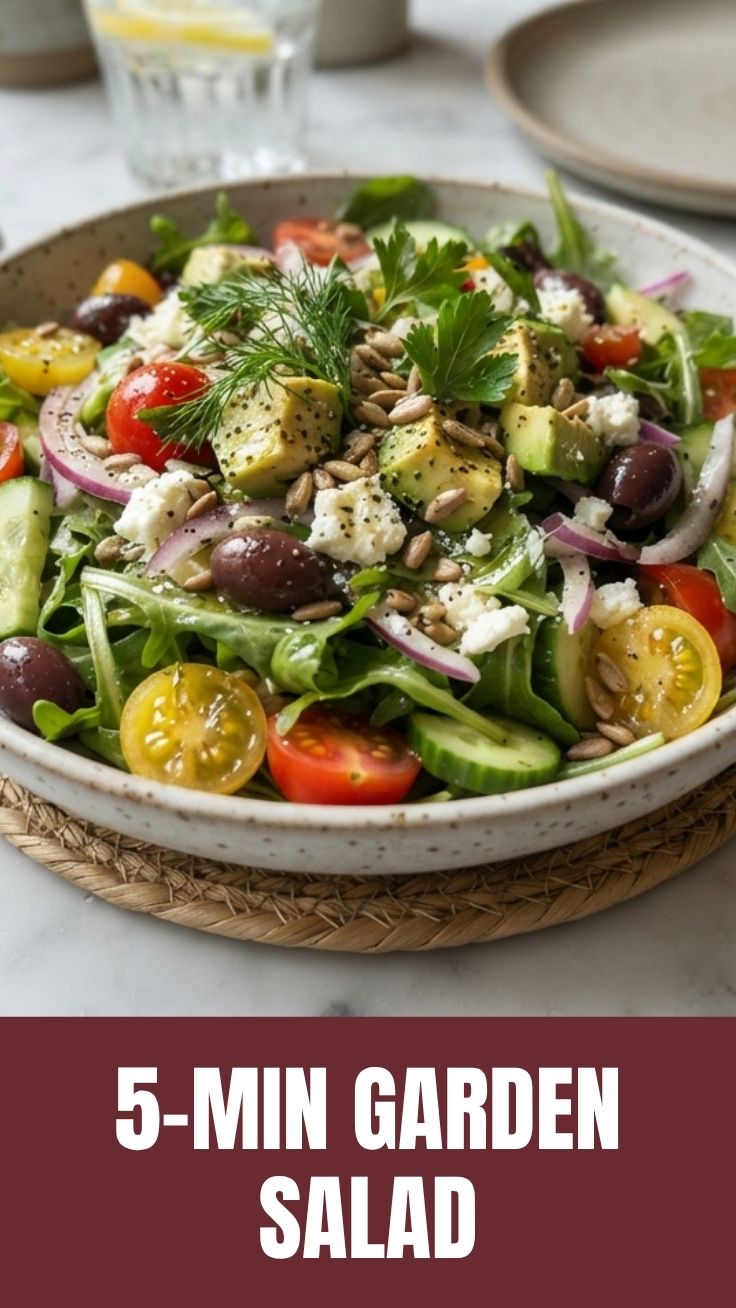
Have you ever wondered why a simple bowl of fresh greens can taste so much better at a restaurant than at home? The secret isn’t fancy ingredients—it’s technique, timing, and the right combination of textures. Today, we’re diving into a Garden Salad that’s crisp, colorful, and packed with flavor. Making it at home saves you money, lets you control the produce quality, and allows for endless customization. Whether you’re pairing it with grilled chicken or serving it alongside a hearty pasta, this recipe is your go-to. And if you’re ever in the mood for a tangy twist, try our Heirloom Tomato Salad—it’s the perfect complement to this bowl of greens.
—
Ingredients & Kitchen Tools
For the Salad Base
– Mixed salad greens (4 cups) – Use a blend of romaine, arugula, and spinach for varied textures.
– Cherry tomatoes (1 cup, halved) – Look for vine-ripened for sweetness; optional swap: diced Roma tomatoes.
– Cucumber (1 medium, sliced) – English cucumber has fewer seeds; peel if waxed.
– Red onion (½ small, thinly sliced) – Soak in cold water 10 minutes to reduce sharpness.
– Carrot (1 large, shredded) – Adds natural sweetness and crunch.
– Radishes (4–5, sliced) – For a peppery bite; omit if you prefer milder flavors.
For the Dressing
– Extra virgin olive oil (3 tbsp)
– Red wine vinegar (2 tbsp) – Can substitute with lemon juice.
– Dijon mustard (1 tsp)
– Honey (1 tsp) – Use maple syrup for vegan option.
– Salt and black pepper (to taste)
– Optional: fresh herbs (dill, parsley, or chives – 1 tbsp chopped)
Kitchen Tools
– Large salad bowl
– Chef’s knife and cutting board
– Salad spinner (or clean kitchen towel)
– Whisk or jar for dressing
– Measuring spoons
—
Prep Time & Cooking Schedule
– Prep time: 15 minutes
– Resting time: 5 minutes (after dressing, to let flavors meld)
– Total time: 20 minutes
This salad is best assembled just before serving. However, you can prep the vegetables up to 2 hours ahead and store them in the fridge (covered with damp paper towels). The dressing can be made 3 days in advance and kept in a sealed jar.
—
Step-by-Step Instructions
1. Wash and dry the greens thoroughly. Use a salad spinner to remove excess water—wet greens dilute the dressing. If you don’t have a spinner, wrap the leaves in a clean towel and gently pat dry.
2. Prepare the vegetables. Slice the cucumber, halve the cherry tomatoes, shred the carrot, and thinly slice the red onion and radishes. Keep each ingredient separate until assembly.
3. Make the dressing. In a small bowl or jar, whisk together olive oil, red wine vinegar, Dijon mustard, honey, salt, and pepper. Taste and adjust acidity—add a pinch more vinegar if you prefer tangy. For a creamier version, stir in 1 tablespoon of Greek yogurt.
4. Combine the salad. In the large bowl, add the greens first, then arrange the prepared vegetables on top. Do not dress yet. Sprinkle with fresh herbs if using.
5. Dress and toss. Just before serving, pour the dressing around the edges of the bowl (not directly on the greens), then gently toss with clean hands or tongs. The goal is to coat every leaf without crushing the tomatoes. Let rest for 2–3 minutes.
6. Serve immediately. Transfer to individual plates. For an extra layer of flavor, top with crumbled feta cheese or toasted nuts.
Temperature control tip: If your kitchen is warm, chill the salad bowl in the fridge for 10 minutes before assembling. This keeps the greens crisp.
Texture cue: The perfect Garden Salad should have a slight crunch from the radishes and cucumber, while the greens remain tender. If the leaves look wilted, they’re overdressed—add less dressing next time.
Seasoning adjustment: If you’re serving this with a strong-flavored main dish (like grilled fish), reduce the mustard in the dressing to let the vegetables shine. And don’t forget—a classic Heirloom Tomato Salad uses a similar vinegar-based dressing but relies on the tomatoes’ natural sweetness, so it’s a great variation to try on a different day.
—
Nutritional Benefits & Advantages
This Garden Salad is a powerhouse of vitamins and fiber. Here’s a quick breakdown per serving (about 2 cups with dressing):
– Calories: ~120
– Vitamin A: 80% DV (from carrots and greens)
– Vitamin C: 45% DV (from tomatoes and peppers)
– Fiber: 4g
– Healthy fats: 9g (from olive oil)
The combination of leafy greens and colorful vegetables provides antioxidants that support eye health, immune function, and digestion. The olive oil dressing helps your body absorb fat-soluble vitamins (A, D, E, K). If you’re following a low-carb or keto diet, simply omit the carrot and reduce the honey in the dressing.
—
Tips, Variations & Cooking Advice
– Flavor swaps: Replace red wine vinegar with balsamic for a sweeter, richer taste. Add sliced avocado for creaminess.
– Protein boost: Top with grilled chicken, chickpeas, or hard-boiled eggs to turn it into a main course.
– Herb infusion: Add chopped basil, mint, or tarragon to the dressing for a unique twist.
– Dietary adaptations: Gluten-free by nature; dairy-free if you skip the feta. For a nut-free version, use sunflower seeds instead of almonds.
– Portion changes: Double the recipe for a crowd, but keep the dressing separate until serving to avoid sogginess.
—
Common Mistakes to Avoid
1. Overdressing the salad. Too much dressing weighs down the greens and makes them soggy. Start with half the amount, toss, then add more if needed.
2. Using wet greens. Water prevents the dressing from clinging to leaves. Always spin dry thoroughly.
3. Cutting vegetables too large. Bite-sized pieces ensure every forkful has a mix of flavors. Large chunks of onion or cucumber dominate the taste.
4. Adding dressing too early. If you dress the salad more than 10 minutes before serving, the greens will wilt. Combine only at the last minute.
5. Forgetting to season the dressing. Under-salted dressing makes the whole salad taste flat. Taste and adjust salt and pepper before tossing.
—
Storage & Meal Prep Tips
– Refrigeration: Store undressed salad in an airtight container lined with paper towels. It stays fresh for up to 2 days. The dressing can be kept in a jar in the fridge for up to 1 week.
– Reviving leftovers: If the salad has been dressed, eat within 4 hours. To re-crisp, spread the leaves on a baking sheet and refrigerate uncovered for 10 minutes.
– Freezing: Not recommended—freezing destroys the cell structure of greens and vegetables, turning them mushy upon thawing.
– Meal prep: Chop all veggies and store them separately in ziplock bags. Combine greens and dressing only when ready to eat. You can also pre-make the dressing and store it in a small container.
—
Conclusion
A fresh Garden Salad is more than a side dish—it’s a celebration of seasonal produce that brings color and crunch to any meal. By following these simple steps, you’ll avoid the common pitfalls and create a bowl that rivals any restaurant version. Remember, the key is to use the best ingredients you can find, dress at the last minute, and don’t be afraid to experiment with herbs or proteins. And if you’re craving something different, try our Heirloom Tomato Salad—it’s another easy way to enjoy summer’s bounty. Go ahead, give this recipe a try, and share your results in the comments below. Happy cooking!
—
FAQs
1. Can I use a pre-made dressing?
Yes, but homemade dressing is fresher and allows you to control the oil-to-vinegar ratio. If using store-bought, reduce the amount by half to avoid a heavy coating.
2. How do I make this salad more filling?
Add a protein source like grilled chicken, canned tuna, chickpeas, quinoa, or sliced hard-boiled eggs. You can also toss in some croutons or roasted nuts.
3. What if I don’t have red wine vinegar?
Apple cider vinegar, white wine vinegar, or lemon juice work well. Each will slightly change the flavor profile—lemon adds a brighter, citrusy note.
4. Why are my radishes bitter?
Radishes can become bitter if they’re old or stored too long. Choose firm, small radishes with fresh greens attached. Soaking sliced radishes in ice water for 10 minutes helps mellow the peppery bite.
5. Can I prepare this salad a day ahead?
You can wash and chop the vegetables a day ahead, but do not dress the salad until just before serving. Store the greens in a bag with a paper towel, and keep the veggies in separate containers.
Best way to grow a fresh Garden Salad in 7 days. Garden Salad
Ingredients
Equipment
Method
- Prepare your planting area by filling small pots or seed trays with potting soil.
- Plant the various salad seeds according to package directions, ensuring proper spacing.
- Water the planted seeds gently but thoroughly immediately after planting.
- Place the pots in a location with ample sunlight, preferably 6-8 hours daily.
- Water daily, keeping the soil consistently moist but not waterlogged.
- Monitor for growth, usually visible within 2-3 days, and ensure pests are not present.
- After 7 days, once the leaves are a suitable size, gently harvest your fresh garden salad.