The Ultimate Guide to the Best Classic Tuna Salad
What is the one dish that bridges the gap between a quick weekday lunch and a nostalgic childhood memory? For countless home cooks, it’s a perfectly balanced Tuna Salad. While grabbing a pre-made tub from the store is convenient, preparing your own tuna salad recipe at home allows you to control the quality of ingredients, customize the texture, and avoid unnecessary preservatives and excessive sodium. Whether you’re meal prepping for a busy week or looking for a protein-packed lunch that satisfies, mastering this classic dish is a valuable culinary skill that pays dividends in flavor and nutrition.
Ingredients & Kitchen Tools
To create a truly exceptional Tuna Salad, you need the right ingredients and a few basic tools. Here’s what you’ll need:
Ingredients:
– Canned Tuna (10 oz total, drained): Opt for solid white albacore for a firmer, chunkier texture, or chunk light for a softer, more delicate flake. Packed in water is lower in calories; packed in oil adds richness.
– Mayonnaise (1/3 cup): The backbone of creaminess. Use full-fat for the best texture, or a light version for fewer calories.
– Celery (1-2 stalks, finely diced): Provides essential crunch and freshness.
– Red Onion (2 tablespoons, finely minced): Adds a mild, sweet bite. Soak in cold water for 10 minutes to mellow the sharpness.
– Fresh Parsley (2 tablespoons, chopped): Freshness and color. Substitute with 1 teaspoon dried parsley if needed.
– Fresh Lemon Juice (1 tablespoon): Brightens the flavors and cuts through the richness of the mayo.
– Dijon Mustard (1 teaspoon): Adds a tangy depth that plain mustard cannot replicate.
– Salt and Black Pepper (to taste): Season carefully, as canned tuna is already salted.
Optional Add-ins: Hard-boiled eggs (diced), capers, sweet pickle relish, diced green apple, or sliced almonds.
Kitchen Tools: Mixing bowls, a fork (for flaking tuna), a sharp chef’s knife, a cutting board, measuring spoons, and a rubber spatula for folding.
Prep Time & Cooking Schedule
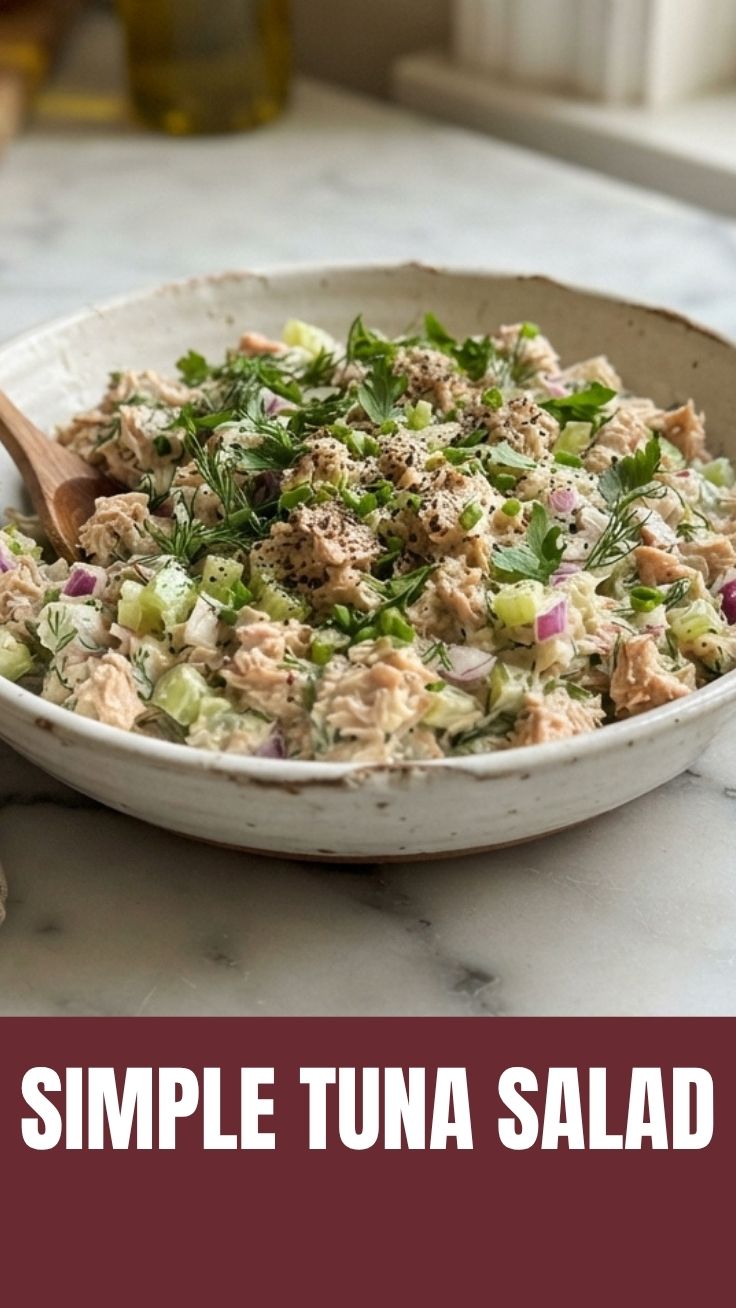
One of the greatest advantages of this dish is its speed. You can go from pantry to plate in under 15 minutes.
– Prep Time: 10 minutes (draining tuna, dicing veggies, mixing dressing)
– Cook Time (if boiling eggs): 10 minutes
– Chill Time (recommended): 30 minutes
Why the chill time matters: Allowing the Tuna Salad to rest in the refrigerator gives the flavors time to meld together. The lemon juice mellows, the onion infuses the mayonnaise, and the overall texture firms up. For the best results, plan ahead and let it sit, covered, for at least 30 minutes before serving.
Step-by-Step Instructions
Follow these steps precisely to achieve a creamy, flavorful, and texturally perfect Tuna Salad every time.
Step 1: Prepare the Tuna
Open the cans and drain the tuna thoroughly. Press down on the lid to extract as much liquid as possible. Excess moisture is the enemy of a good Tuna Salad. Transfer the drained tuna to a large mixing bowl and use a fork to flake it into small, uniform pieces. Be careful not to shred it into a paste.
Step 2: Build the Crunch
Add the finely diced celery, minced red onion, and chopped fresh parsley to the bowl with the flaked tuna. The ratio of crunch to tuna is critical here—aim for about 1/4 cup of crunch per 5 ounces of tuna.
Step 3: Create the Dressing
In a separate small bowl, whisk together the mayonnaise, Dijon mustard, and fresh lemon juice until smooth. Taste the dressing on its own—it should be tangy and well-seasoned.
Step 4: Combine and Season
Pour the dressing over the tuna mixture. Using a rubber spatula, gently fold the ingredients together until just combined. For the ultimate creamy yet crunchy Tuna Salad, texture is key. If you are following a specific tuna salad recipe that includes capers or relish, fold them in at this stage. Season with salt and freshly cracked black pepper to taste. Remember, the chips or bread you serve it with will add salt, so go light.
Step 5: Rest and Serve
Cover the bowl with plastic wrap and refrigerate for at least 30 minutes. Serve on toasted bread, crisp lettuce cups, or with sturdy crackers.
Nutritional Benefits & Advantages
This Tuna Salad is not just a comfort food; it is a nutritional powerhouse. Canned tuna is a lean source of high-quality protein, providing approximately 20-25 grams of protein per 3-ounce serving, which helps support muscle repair and satiety.
– Omega-3 Fatty Acids: Tuna is rich in EPA and DHA, essential for heart and brain health.
– Low in Carbohydrates: This dish is naturally low-carb and keto-friendly, especially when served without bread.
– Micronutrients: It provides selenium (an antioxidant), vitamin D, and B vitamins.
– Healthy Fats: Using avocado oil mayonnaise or adding diced avocado can boost the content of monounsaturated fats.
By preparing this dish at home, you control the sodium levels and can eliminate the high-fructose corn syrup and preservatives often found in store-bought versions.
Tips Variations & Cooking Advice
Unlock the full potential of your Tuna Salad with these pro tips and creative variations:
Flavor Variations:
– Mediterranean: Swap mayo for olive oil and lemon juice, adding kalamata olives, sun-dried tomatoes, and feta cheese.
– Curry: Add 1 teaspoon of curry powder and 1/4 cup of golden raisins or diced apple.
– Avocado: Replace half the mayo with mashed avocado for a creamy, dairy-free version.
Dietary Adaptations:
– Gluten-Free: Serve on large romaine lettuce leaves or gluten-free rice crackers.
– Dairy-Free: Use a vegan mayonnaise or mashed avocado as the base.
– Low-Fat: Substitute Greek yogurt for half the mayonnaise. This adds protein and tang, though it will be slightly less rich.
Cooking Advice:
– Temperature Control: Serve chilled, but take it out of the fridge 5 minutes before serving to take the edge off the cold. This allows the flavors to fully express themselves.
– Bread Choice: Toast your bread. A crispy exterior is a beautiful textural contrast to the creamy salad.
Common Mistakes to Avoid
Even a simple dish can go wrong. Here are the most common pitfalls and how to avoid them:
1. Not Draining the Tuna Well Enough: This is the #1 cause of watery Tuna Salad. Use a fine-mesh strainer and press gently.
2. Over-Mixing: Stirring too aggressively turns the tuna into a mushy paste. Use a gentle folding motion to keep the flakes distinct.
3. Underseasoning: Tuna needs a contrasting flavor. Don’t skip the lemon juice, mustard, or salt. A pinch of black pepper is essential.
4. Skipping the Chill Time: Serving immediately results in a flat, one-dimensional flavor. Patience is rewarded with a complex, melded taste.
5. Adding Too Much Mayo: Start with less and add more as needed. You want the salad to be moist, not swimming in dressing.
Storage & Meal Prep Tips
Proper storage ensures your Tuna Salad remains safe and delicious for days to come.
– Refrigeration: Store in an airtight container in the refrigerator for up to 3 days. The flavors will continue to meld, making day two often the best.
– Freezing: Do not freeze. Mayonnaise-based salads separate upon thawing, becoming watery and grainy.
– Meal Prep: If you are prepping lunches for the week, store the Tuna Salad separately from your bread or greens. Assemble just before eating to avoid sogginess. A squeeze of fresh lemon juice right before serving can brighten the flavors again.
Conclusion
Mastering this simple, versatile dish is a rewarding kitchen skill that pays dividends in convenience and flavor. Whether you stick to the classic version or experiment with international mix-ins, this Tuna Salad is a testament to how a few humble ingredients can create something truly special. We hope this tuna salad recipe becomes your new go-to for quick lunches, light dinners, and satisfying snacks. Try it this week, and let us know in the comments how you customized it!
FAQs
Q1: Can I use tuna packed in oil instead of water?
Yes, absolutely. Tuna packed in olive oil is richer and more flavorful. Just be sure to drain it well, though you may want to reserve a tiny bit of the oil to add back for extra moisture.
Q2: How long does homemade Tuna Salad last in the fridge?
When stored in an airtight container, it will stay fresh for up to 3 days. After that, the texture of the celery and onions will begin to soften, and the flavor may degrade.
Q3: Can I make Tuna Salad without mayonnaise?
Yes. You can substitute mashed avocado, plain Greek yogurt, or a simple vinaigrette of olive oil and lemon juice. Each will impart a different flavor profile and texture.
Q4: Why is my Tuna Salad watery?
This is almost always caused by not draining the canned tuna thoroughly enough. Excess moisture can also come from watery vegetables like cucumber. If you add cucumber, salt it first and let it sit to draw out the water.
Q5: Can I add hard-boiled eggs to this recipe?
Yes, diced hard-boiled eggs are a classic addition. They add extra protein, richness, and a soft texture that complements the flaky tuna. Add one or two finely chopped eggs along with the other mix-ins.
Best way to grow Tuna Salad in 5 minutes. Tuna Salad
Ingredients
Equipment
Method
- In a medium bowl, flake the drained tuna with a fork.
- Add mayonnaise, chopped celery, chopped red onion, Dijon mustard, salt, and pepper to the bowl.
- Mix all ingredients until well combined.
- Serve immediately on bread, crackers, or lettuce wraps.