Why Your Homemade Dumplings Need This Crispy, Juicy Upgrade
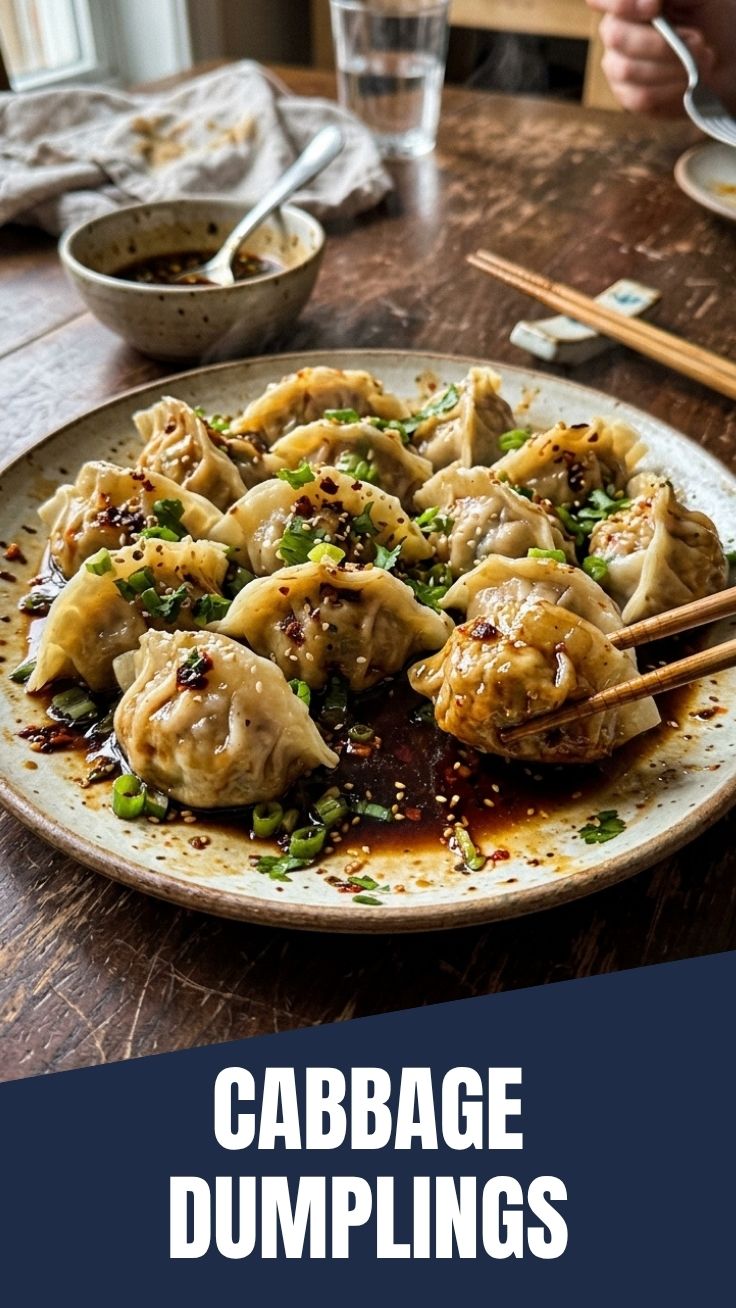
Have you ever struggled with soggy dumplings that fall apart before they hit the table? You are not alone. Most home cooks face this exact frustration when attempting to replicate their favorite takeout. The solution lies in mastering one deceptively simple technique: locking moisture into your filling while achieving that golden, crackling crust. That is precisely where Cabbage Dumplings come into play. By incorporating finely shredded napa cabbage, you introduce a natural moisture barrier that keeps the filling tender without making the wrapper soggy. This easy cabbage dumplings recipe transforms a simple weeknight dinner into a restaurant-quality experience. Learning to prepare this cabbage dumplings dish at home gives you complete control over ingredients, sodium levels, and cooking methods, saving money while delivering superior flavor. Let us walk through each essential step so you can create dumplings that rival any dim sum house.
Ingredients & Kitchen Tools
For the Filling
– 3 cups finely chopped napa cabbage (salted and squeezed dry to remove excess water)
– 1 pound ground pork (80/20 blend offers best juiciness; substitute with ground chicken or turkey)
– 2 tablespoons soy sauce (use tamari for gluten-free version)
– 1 tablespoon grated fresh ginger
– 3 cloves garlic, minced
– 2 green onions, thinly sliced
– 1 teaspoon sesame oil
– ½ teaspoon white pepper (black pepper works but lacks subtlety)
For the Wrapper
– 1 package round dumpling wrappers (about 50 pieces; homemade dough optional)
– 1 small bowl water (for sealing edges)
Kitchen Tools
– Large mixing bowl
– Cutting board and sharp knife
– Box grater or microplane (for ginger)
– Colander or cheesecloth (for draining cabbage)
– Baking sheet lined with parchment paper
– Non-stick skillet with lid (12-inch preferred)
– Spatula
Optional Substitutions
Swap pork for finely chopped mushrooms and crumbled tofu for a vegan version. Use gluten-free wrappers available at most Asian markets.
Prep Time & Cooking Schedule
| Task | Time Required |
|——|—————|
| Salting and draining cabbage | 15 minutes |
| Mixing filling | 10 minutes |
| Assembling dumplings | 20–30 minutes |
| Cooking per batch | 8–10 minutes |
| Total active time | Approximately 50 minutes |
Resting the assembled dumplings in the refrigerator for 10 minutes before cooking firms up the filling and prevents bursting. Plan accordingly if serving multiple batches.
Step-by-Step Instructions
1. Prepare the cabbage. Toss finely chopped napa cabbage with 1 teaspoon salt in a colander. Let sit 15 minutes. Squeeze handfuls firmly to remove as much liquid as possible. This step is non-negotiable—excess moisture ruins your dumplings.
2. Build the filling. Combine squeezed cabbage, ground pork, soy sauce, ginger, garlic, green onions, sesame oil, and white pepper in a large bowl. Mix with your hands for 2 minutes until the mixture becomes slightly tacky and cohesive. Do not overmix or the meat becomes tough.
3. Assemble dumplings. Place one wrapper in your palm. Spoon 1 heaping teaspoon of filling in the center. Dip your finger in water and moisten the wrapper edge. Fold in half and pleat the seam by pinching small folds along one side. Press firmly to seal. Transfer to parchment-lined baking sheet. Space dumplings slightly apart or freeze them.
4. Pan-fry for perfect texture. Heat 1 tablespoon oil in a non-stick skillet over medium-high heat. Arrange 12 dumplings flat-side down in a single layer. Cook 2–3 minutes until bottoms are deep golden brown. Carefully add ⅓ cup water, immediately cover with lid, and reduce heat to medium. Steam 6 minutes until wrappers become translucent and filling is cooked through.
5. Crisp the crust. Remove lid and cook 1–2 more minutes until remaining water evaporates and bottoms become ultra-crisp again. Slide onto a plate golden-side up.
6. Serve immediately. Pair with dipping sauce made from 3 parts soy sauce, 1 part rice vinegar, 1 teaspoon chili oil, and minced garlic.
Pro tips for perfect results: Check internal temperature reaches 165°F. For frozen dumplings, add 2 extra minutes to steaming time without thawing. Adjust seasoning by tasting a tiny cooked piece of filling before assembling.
This cabbage dumplings method ensures every bite stays juicy inside while delivering audible crunch outside. Follow this easy cabbage dumplings recipe precisely for consistent results, then experiment with flavor variations once you master the technique.
Nutritional Benefits & Advantages
Napa cabbage provides exceptional nutritional value with only 12 calories per cup while delivering vitamin C, vitamin K, folate, and antioxidants. When combined with lean protein, this dish offers balanced macronutrients. The fermentation potential from cabbage supports gut health, and cooking at home reduces sodium by 40–60% compared to restaurant versions. Sesame oil adds healthy monounsaturated fats, while ginger and garlic provide anti-inflammatory compounds.
Tips Variations & Cooking Advice
Flavor Variations
– Add ½ cup chopped shiitake mushrooms for umami depth
– Incorporate 1 teaspoon gochujang for Korean-inspired heat
– Mix in ¼ cup chopped cilantro and 1 tablespoon fish sauce for Southeast Asian notes
Alternative Cooking Methods
– Steam only: Steam 8 minutes over boiling water for delicate wrappers
– Deep-fry: Fry at 350°F for 3–4 minutes until golden throughout
– Soup dumplings: Serve boiled dumplings in hot broth with bok choy
Dietary Adaptations
– Gluten-free: Use rice paper wrappers or homemade tapioca wrappers
– Dairy-free: Naturally dairy-free as written
– Vegan: Replace meat with finely chopped mushrooms, crumbled firm tofu, and minced water chestnuts for texture
Portion Changes
Double the batch and freeze half uncooked for quick weeknight dinners.
Common Mistakes to Avoid
Mistake 1: Skipping the cabbage salting step – Leads to watery filling that bursts wrappers. Always squeeze dry.
Mistake 2: Overfilling wrappers – Use exactly one heaping teaspoon. Too much filling prevents proper sealing and causes bursting during cooking.
Mistake 3: Cooking in cold oil – Oil must be hot before adding dumplings to ensure immediate browning and prevent sticking.
Mistake 4: Lifting the lid during steaming – Trapped steam cooks the wrappers thoroughly. Peeking releases steam and leads to undercooked dumplings.
Mistake 5: Storing assembled dumplings touching – They stick together. Freeze on a baking sheet first, then transfer to a freezer bag.
Storage & Meal Prep Tips
Refrigeration: Store cooked dumplings in an airtight container for up to 3 days. Reheat in a non-stick skillet with 1 tablespoon water over medium heat, covered, for 4 minutes. Uncover and crisp again for 1 minute.
Freezing uncooked dumplings: Arrange on a parchment-lined baking sheet and freeze until solid (about 2 hours). Transfer to a freezer-safe bag for up to 3 months. Cook directly from frozen without thawing.
Freezing cooked dumplings: Cool completely, then freeze in single layer before bagging. Reheat at 375°F on a baking sheet for 10 minutes.
Meal prep strategy: Double the filling and wrappers on Sunday. Assemble dumplings while watching television. Freeze half for future meals.
Conclusion
Mastering this cabbage dumplings technique transforms your home cooking from good to exceptional. The carefully balanced filling, proper moisture control, and dual cooking method deliver restaurant-quality texture that keeps family and guests impressed. By following this easy cabbage dumplings recipe, you gain confidence to experiment with flavors while relying on proven techniques. Cabbage dumplings bring together affordability, nutrition, and extraordinary flavor in one satisfying package. Try this recipe this weekend, photograph your results, and tag a friend who loves dumplings. Your kitchen awaits transformation.
FAQs
Q: Can I make the filling ahead of time?
A: Yes. Prepare the filling up to 24 hours in advance and refrigerate. Bring to room temperature for 15 minutes before assembling. Do not add cabbage more than 4 hours ahead or it will release liquid.
Q: Why did my dumplings become soggy?
A: Most likely the cabbage was not squeezed dry enough, or you added too much water during steaming. Squeeze cabbage in batches using cheesecloth for maximum moisture removal.
Q: What is the best way to seal dumplings without pleating?
A: Press edges firmly with a fork for a simple seal. This works well for beginners and prevents bursting. Just ensure edges are moistened first.
Q: Can I boil these dumplings instead of pan-frying?
A: Absolutely. Boil in salted water for 4–5 minutes until they float and wrappers become translucent. Drain and serve with dipping sauce. They lose the crispy bottom but remain delicious.
Q: How do I prevent dumplings from sticking to the pan?
A: Use a quality non-stick skillet and enough oil to coat the bottom. Allow dumplings to develop a golden crust before adding water. Never force them loose—they release naturally when properly cooked.
Cabbage Dumplings
Ingredients
Equipment
Method
- Combine flour, water, and salt in a large bowl and mix until a shaggy dough forms.
- Knead the dough on a lightly floured surface for 5-7 minutes until smooth and elastic; then cover and let it rest.
- In a large bowl, combine the chopped cabbage, ground pork, chopped onion, grated ginger, soy sauce, sesame oil, salt, and black pepper.
- Mix thoroughly until all ingredients are well combined.
- Divide the dough into small, equal portions and roll each into a thin circle.
- Place a spoonful of filling in the center of each dough circle, then fold and crimp the edges to seal, forming a dumpling shape.
- Bring a large pot of salted water to a rolling boil and carefully drop in the dumplings.
- Cook for 5-7 minutes, or until the dumplings float to the surface and are cooked through.
- Drain the cooked dumplings and transfer them to a serving platter.
- Mix soy sauce, rice vinegar, and chili oil for a dipping sauce and garnish the dumplings with chopped green onions before serving.