Wild Rice Pilaf: A Savory, Nutritious Side Dish That Steals the Show
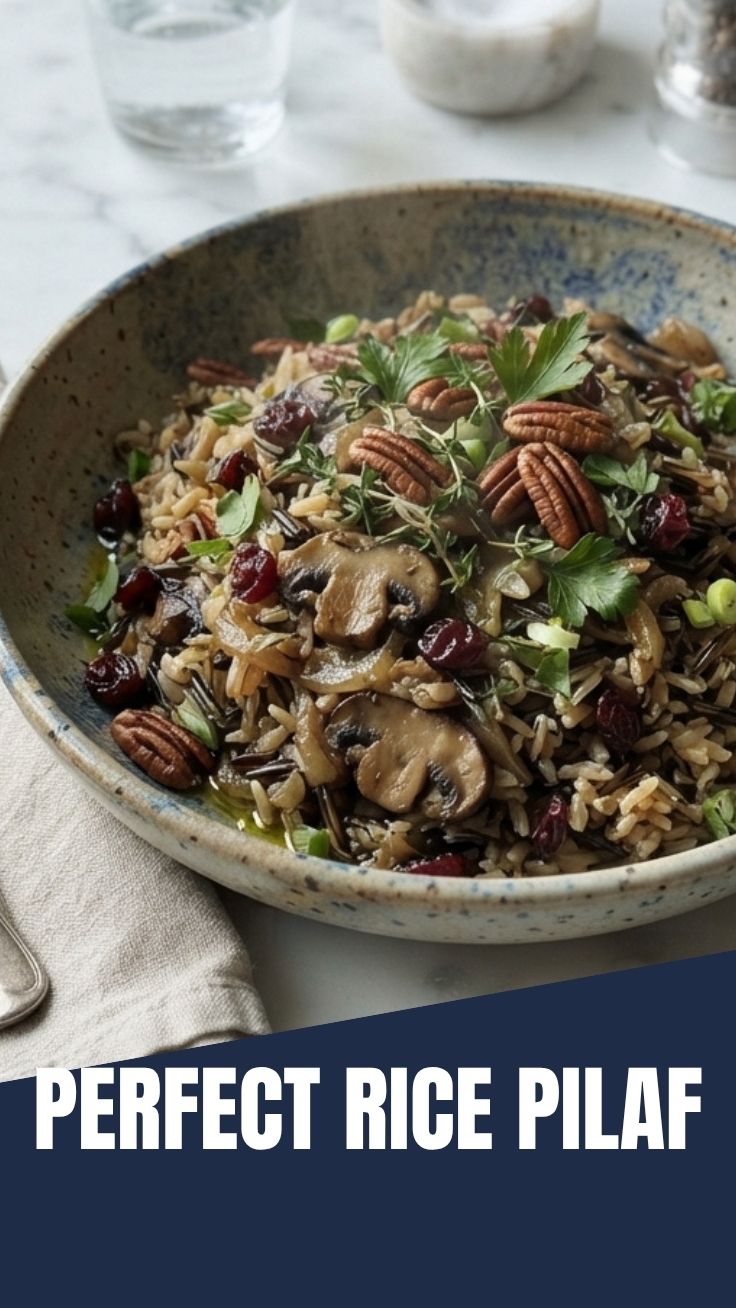
Have you ever wondered why restaurant-style wild rice pilaf tastes so much richer than the boxed versions you find at the store? The secret isn’t a secret ingredient—it’s technique, whole ingredients, and a little patience. When you prepare Wild Rice Pilaf from scratch at home, you unlock a nutty, earthy depth that no pre-seasoned packet can replicate. This recipe is not only a treat for your taste buds but also a smart addition to your weekly meal prep routine. In this post, you’ll discover how to make a perfect batch every time, and along the way we’ll explore some of the best Wild rice recipes to inspire your cooking journey.
—
Ingredients & Kitchen Tools (H2)
For the Pilaf
– 1 cup wild rice – Not a true rice but a grass seed; it has a chewy texture and earthy flavor.
– 2 tablespoons olive oil – Or substitute with avocado oil for a higher smoke point.
– 1 medium yellow onion, finely diced – Adds sweetness as it caramelizes.
– 2 celery stalks, minced – Provides subtle crunch and aromatic depth.
– 1 medium carrot, small dice – For natural sweetness and color.
– 3 cloves garlic, minced – Fresh is best; avoid pre-minced.
– 4 cups vegetable or chicken broth – Low-sodium preferred so you control salt.
– ½ teaspoon dried thyme – Or 1 teaspoon fresh thyme leaves.
– 1 bay leaf – Removed before serving.
– Salt and black pepper – To taste, but start with ½ teaspoon salt.
– ⅓ cup dried cranberries – Optional, for a sweet-tart pop.
– ¼ cup toasted pecans or almonds – Adds crunch and healthy fats.
Kitchen Tools
– Medium saucepan with a tight-fitting lid
– Fine-mesh strainer (for rinsing wild rice)
– Cutting board and chef’s knife
– Wooden spoon or silicone spatula
– Measuring cups and spoons
Optional Substitutions
– For a gluten-free version, use certified gluten-free broth.
– Replace dried cranberries with chopped dried apricots or golden raisins.
– Swap pecans with pine nuts or sunflower seeds for a nut-free option.
—
Prep Time & Cooking Schedule (H2)
– Prep Time: 10 minutes (chopping vegetables, rinsing rice)
– Cook Time: 45–55 minutes (including sautéing and simmering)
– Resting Time: 5 minutes after cooking, covered, to allow steam to redistribute
– Total Time: About 1 hour
Plan ahead: Wild rice takes longer to cook than white or brown rice, so start this dish before you prepare any quick-cooking mains. It’s an ideal make-ahead side because the flavors deepen overnight.
—
Step-by-Step Instructions (H2)
1. Rinse the wild rice thoroughly under cold water in a fine-mesh strainer for 30 seconds. This removes excess starch and any debris.
2. Sauté the aromatics: Heat olive oil in your saucepan over medium heat. Add onion, celery, and carrot. Cook for 4–5 minutes, stirring occasionally, until the onion is translucent. Add garlic and cook for 30 seconds more.
3. Toast the rice: Stir in the rinsed wild rice and cook for 2 minutes, coating each grain in oil. This toasting step enhances the nutty aroma.
4. Add liquid and seasonings: Pour in the broth, then add thyme, bay leaf, ½ teaspoon salt, and a few grinds of black pepper. Bring to a boil.
5. Simmer: Reduce heat to low, cover, and let it simmer for 45 minutes. Do not lift the lid during the first 30 minutes. Check at 40 minutes—most of the liquid should be absorbed, and the rice grains will have split open (a sign of doneness). If still firm, cook for another 5–10 minutes.
6. Finish and fluff: Remove the pan from heat, keep covered, and let rest for 5 minutes. Discard the bay leaf. Stir in dried cranberries and toasted nuts. Taste and adjust salt or pepper.
> Pro Tip: For extra depth, sauté ½ cup sliced mushrooms along with the vegetables. And don’t forget: this Wild Rice Pilaf makes a fantastic base for many Wild rice recipes—try serving it with roasted chicken or grilled salmon.
—
Nutritional Benefits & Advantages (H2)
Wild rice is a whole grain (technically a grass) packed with antioxidants, B vitamins, and minerals like magnesium and phosphorus. It contains more protein and fiber than brown rice—roughly 5 grams of protein and 3 grams of fiber per cup cooked. The combination of vegetables adds vitamin A, vitamin K, and potassium, while nuts contribute heart-healthy unsaturated fats and vitamin E.
This pilaf is naturally vegan, dairy-free, and gluten-free (when using appropriate broth). It also has a low glycemic index, making it a smart choice for blood sugar management. The inclusion of dried cranberries adds polyphenols, and the overall dish supports digestive health thanks to the fiber trio of rice, vegetables, and nuts.
—
Tips Variations & Cooking Advice (H2)
Flavor Variations
– Herb-forward: Replace dried thyme with fresh rosemary and sage.
– Citrus-kissed: Add the zest and juice of one orange after cooking.
– Spicy twist: Sauté a diced jalapeño with the vegetables and add a pinch of cayenne.
Cooking Methods
– Instant Pot: Use 1 cup wild rice, 1½ cups broth, and a 28-minute high-pressure cook (natural release). Sauté aromatics using the sauté function first.
– Rice Cooker: Use a 1:3 ratio of rice to liquid, and set on the brown rice cycle if available.
Dietary Adaptations
– Low-sodium: Use homemade broth or low-sodium store-bought.
– Nut-free: Omit nuts or substitute roasted pumpkin seeds.
– Extra veggies: Fold in sautéed kale or spinach just before serving.
—
Common Mistakes to Avoid (H2)
– Skipping the rinse: Unrinsed wild rice can be overly starchy and clump together. Always rinse thoroughly.
– Overcooking: Wild rice should be chewy, not mushy. Start checking at 40 minutes and stop when grains have burst open but still offer resistance.
– Lifting the lid too early: Steam escape leads to uneven cooking. Resist peeking for the first 30 minutes.
– Underseasoning: Wild rice absorbs a lot of liquid, so the broth needs to be well-seasoned. Taste the cooking liquid before covering; it should be slightly saltier than you want the final dish.
– Forgetting the resting time: Skipping the 5-minute rest leaves the rice wet and fluffy grains not fully set.
—
Storage & Meal Prep Tips (H2)
– Refrigeration: Store cooled pilaf in an airtight container for up to 5 days.
– Freezing: Portion into freezer-safe bags or containers for up to 3 months. Thaw overnight in the fridge before reheating.
– Reheating: Add a splash of broth or water to restore moisture. Warm in a skillet over medium heat, stirring occasionally, or use the microwave in 30-second bursts covered with a damp paper towel.
– Meal prep: Double the recipe and freeze half. The pilaf works well as a lunch bowl base—add roasted vegetables and a protein like chickpeas or shredded chicken.
—
Conclusion (H2)
Bringing this Wild Rice Pilaf into your home kitchen not only saves money but gives you complete control over flavor and nutrition. Whether you serve it alongside a holiday roast or enjoy it as a simple weeknight side, this versatile dish is a reliable crowd-pleaser. And if you’re hungry for more inspiration, exploring different Wild rice recipes—from hearty soups to stuffed peppers—can open up a world of wholesome, satisfying meals. I encourage you to try this recipe, share your results, and let me know in the comments how you customized it!
—
FAQs (H2)
1. Can I use a wild rice blend instead of pure wild rice?
Yes, but note that blends often contain brown or red rice, which cook faster. Adjust cooking time according to the blend’s instructions, or use the package ratio.
2. My pilaf turned out crunchy after 45 minutes. What happened?
Wild rice can be stubborn. Add another ¼ cup of hot broth or water, cover, and cook 10–15 minutes more. Ensure the heat is low enough to maintain a gentle simmer.
3. Can I make this pilaf without nuts?
Absolutely. Omit the pecans or almonds, or replace them with toasted pumpkin seeds for a nut-free crunch.
4. How do I keep the pilaf from becoming mushy when meal prepping?
Undercook the rice by about 5 minutes (aim for al dente). When you reheat, the rice will soften slightly without turning mushy.
5. What proteins pair best with this wild rice pilaf?
Roasted chicken, pan-seared salmon, grilled steak, or baked tofu all complement the earthy, nutty flavors. The pilaf also shines as a vegetarian main when topped with a fried egg.
Wild Rice Pilaf
Ingredients
Equipment
Method
- Rinse the wild rice under cold water, then in a large saucepan or Dutch oven, melt the butter over medium heat and sauté the chopped onion, celery, and sliced mushrooms until softened, about 5-7 minutes.
- Add the rinsed wild rice and chicken broth to the saucepan; bring to a boil, then reduce heat to low, cover, and simmer for 45-50 minutes, or until the rice is tender and the liquid is absorbed.
- Fluff the pilaf with a fork, season with salt and pepper to taste, and serve hot as a delicious side dish.