From Corn to Celebration: The Art of Making Tamales (Traditional) at Home
Have you ever unwrapped a steaming tamale and wondered how such a humble bundle of masa and filling could hold so much flavor, history, and love? If you’ve only ever bought them from a market or a holiday potluck, you’re missing out on the most rewarding part: making them yourself. Preparing Tamales (Traditional) at home not only fills your kitchen with the intoxicating aroma of corn husks and chiles, but it also gives you control over every ingredient—from the masa’s tenderness to the filling’s spice level. More importantly, it connects you to a centuries‑old culinary tradition that is at the heart of Authentic Mexican Food. In this guide, I’ll walk you through every step, share pro tips, and help you avoid common pitfalls so you can create tamales that rival any abuela’s recipe.
Ingredients & Kitchen Tools
For the Masa
– Masa harina (2 cups) – Instant corn flour for tamales (e.g., Maseca). Do not substitute with regular cornmeal.
– Lard or vegetable shortening (½ cup) – Lard gives authentic flavor; shortening works for a lighter texture.
– Baking powder (1 tsp) – Helps masa rise slightly.
– Salt (½ tsp) – Enhances flavor.
– Warm broth (1–1¼ cups) – Chicken or vegetable broth; adjust as needed for spreadable consistency.
For the Filling (Classic Red Pork)
– Pork shoulder (1 lb) – Cubed; can substitute chicken or beef.
– Dried guajillo chiles (4–5) – Stemmed and seeded.
– Garlic (3 cloves) – Minced.
– Cumin (1 tsp), oregano (½ tsp), salt to taste.
– Vegetable oil (2 tbsp) – For sautéing.
Kitchen Tools
– Large mixing bowl – For masa.
– Electric mixer or stand mixer – Beats masa to fluffy consistency.
– Steamer pot (tamalera or large stockpot with steamer basket) – Essential for even cooking.
– Corn husks (about 20–25) – Soaked in hot water for 30 minutes.
– Tongs & spatula – For handling husks and filling.
– Kitchen twine or strips of husk – To tie tamales (optional, but traditional).
Optional Substitutions
– Dairy‑free: Use vegetable shortening and skip cheese in filling.
– Gluten‑free: Masa harina is naturally gluten‑free; verify broth.
Prep Time & Cooking Schedule
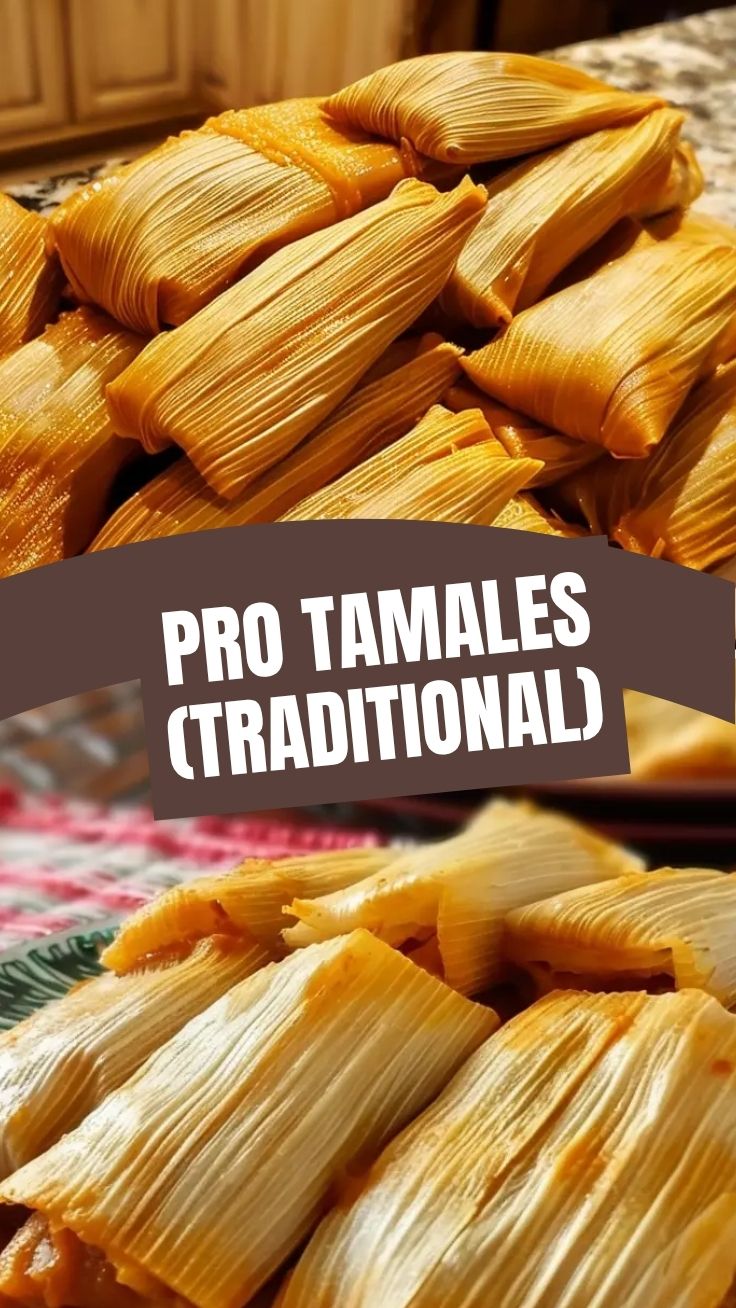
– Prep time: 45–60 minutes (soaking husks, preparing filling, mixing masa).
– Cooking time: 1½–2 hours (steam until masa pulls away from husk).
– Resting time: 15 minutes after steaming (so tamales firm up).
– Total time: 2½–3 hours. Plan ahead: tamales freeze beautifully, so make a double batch for later.
> Pro tip: Assemble the filling a day in advance to let flavors meld. The next day, make the masa fresh – the difference is noticeable.
Step-by-Step Instructions
1. Prepare the husks: Soak corn husks in hot water for 30 minutes until pliable. Drain and pat dry. Reserve a few small strips for tying if desired.
2. Make the filling: Simmer pork in water until tender (about 1 hour). Shred. While pork cooks, toast guajillo chiles in a dry skillet until fragrant, then soak in hot water for 15 minutes. Blend soaked chiles with garlic, cumin, and a splash of broth. Sauté the puree in oil, then stir in shredded pork and oregano. Cook until thick. Set aside.
3. Whip the masa: In a large bowl, beat lard or shortening with an electric mixer until fluffy. In a separate bowl, mix masa harina, baking powder, and salt. Alternate adding the dry mix and warm broth to the lard, beating after each addition. The finished masa should be the consistency of soft peanut butter – a small dollop should float in water. (This test is key for Tamales (Traditional) success.)
4. Assemble: Spread about 2 tablespoons of masa onto the center of a husk, leaving a 1‑inch border at the top and bottom. Place 1 tablespoon of filling in the center. Fold one long side over the filling, then fold the opposite side over to overlap. Fold up the bottom point. Optionally tie with a strip of husk.
5. Steam: Stand tamales upright in the steamer basket, open end up. Place a few extra husks on top. Cover with a tight‑fitting lid. Steam over medium heat for 1½–2 hours, checking water level every 30 minutes. They are done when the masa easily separates from the husk.
6. Rest and serve: Let tamales stand for 15 minutes before serving. This step locks in the structure of Authentic Mexican Food that your family will love.
Nutritional Benefits & Advantages
– Corn masa is a whole‑grain source of complex carbohydrates and dietary fiber. It also provides B vitamins (niacin, folate) and magnesium – especially when nixtamalized (alkali‑treated) as traditional masa harina is.
– Pork (when used) offers high‑quality protein, iron, and zinc. Opt for leaner cuts if desired.
– Chiles (guajillo) are packed with vitamin A, vitamin C, and capsaicin, which can boost metabolism and reduce inflammation.
– Homemade tamales contain no artificial preservatives or trans fats found in many store‑bought versions. You control the salt and fat levels.
Tips, Variations & Cooking Advice
– Flavor variations: Swap pork for shredded chicken in salsa verde, refried beans and cheese for a vegetarian version, or sweet fillings like pineapple and cinnamon for dessert tamales.
– Dietary adaptations: Use vegetable shortening for a dairy‑free option. For gluten‑free, ensure all broths and fillings are gluten‑free (always check labels).
– Cooking method: If you don’t have a tamalera, use a large stockpot with a steamer basket and a tight‑fitting lid. Line the inside of the lid with a clean kitchen towel to catch condensation.
– Portion changes: Mini tamales are perfect for parties. Use smaller husks and reduce steaming time to 30–40 minutes.
– Make ahead: Assemble tamales, arrange in the steamer basket, and refrigerate overnight. Steam the next day – they’ll be just as good.
Common Mistakes to Avoid
| Mistake | Solution |
|———|———-|
| Too dry / crumbly masa | Add more broth a tablespoon at a time; masa should be like soft frosting. |
| Masa too sticky | Add a little more masa harina or let the batter rest 5 minutes before assembling. |
| Filling leaks during steaming | Don’t overfill; leave at least 1 inch border at top and bottom. Fold tightly. |
| Tamales take too long to cook | Check water level; steam must be consistent. Let tamales rest before testing – rushing leads to undercooked cores. |
| Husks tear | Soak them longer (up to 1 hour). Discard torn husks or use two overlapping husks. |
Storage & Meal Prep Tips
– Refrigeration: Store cooked, cooled tamales in an airtight container for up to 5 days. Reheat in a steamer (15 minutes) or microwave wrapped in a damp paper towel (1–2 minutes per tamale).
– Freezing: Wrap uncooked or cooked tamales tightly in plastic wrap, then place in a freezer bag. Cooked tamales freeze for up to 3 months; uncooked for up to 2 months. Steam from frozen (add extra 15–20 minutes).
– Reheating: For best texture, always reheat with moisture – a steamer is ideal. Avoid microwave alone, which can dry out the masa.
Conclusion
Making Tamales (Traditional) from scratch is a labor of love that rewards you with deeply satisfying, flavorful parcels you simply can’t replicate with a box mix. By following the steps above, you’ll not only master a classic dish but also gain a deeper appreciation for Authentic Mexican Food—its techniques, its soul, and its ability to bring people together. Whether you’re preparing for a holiday feast or just a weekend project, I encourage you to try this recipe. Share your results in the comments, tag a friend, and explore more traditional recipes on this blog. ¡Buen provecho!
FAQs
1. Can I use instant masa mix instead of masa harina?
Yes, but follow the package directions for liquid. Traditional masa harina (like Maseca) yields a better texture for tamales. Instant mixes often contain additional preservatives that alter the flavor.
2. Why did my masa turn out gummy?
Over‑mixing can develop gluten‑like elasticity in the masa. Beat just until smooth and fluffy—stop as soon as it reaches the right consistency. Also, ensure your lard/shortening is well aerated before adding other ingredients.
3. How can I make tamales without lard?
Use high‑quality vegetable shortening (like Crisco) or even unsalted butter (though flavor and texture will differ). If using butter, chill it first and whip well. Some cooks also use coconut oil for a unique twist.
4. Can I steam tamales in an Instant Pot?
Absolutely! Add 1½ cups water, place trivet, and stand tamales upright. Pressure cook on high for 20–25 minutes, then natural release for 10 minutes. Check one tamale – they may need a few more minutes if not fully cooked.
5. How do I know if the masa is properly hydrated?
The “float test”: drop a small ball of masa into a glass of cold water. If it floats, the masa is ready. If it sinks, add a bit more broth and beat again. This is a traditional method that works every time.
Proven way to grow 5 Tamales (Traditional)
Ingredients
Equipment
Method
- Boil the pork shoulder until tender, then shred it for the filling.
- Rehydrate the dried chiles in hot water, then blend them with garlic, onion, cumin, oregano, and salt to create the red chile sauce.
- Combine the shredded pork with the red chile sauce and simmer for 15-20 minutes.
- In a large bowl, cream the vegetable shortening until fluffy.
- Gradually add the Masa Harina, baking powder, and salt, mixing until combined.
- Slowly incorporate chicken broth, mixing until a soft, spreadable dough forms.
- Spread a thin layer of masa onto a soaked corn husk, leaving space at the top and bottom.
- Place a spoonful of the pork filling in the center of the masa.
- Fold the sides of the corn husk over the filling, then fold up the bottom to enclose the tamale.
- Arrange the assembled tamales upright in a steamer basket.
- Steam for 1-1.5 hours, or until the masa pulls away easily from the husk.