The Ultimate Guide to Perfect Stuffed Cabbage Rolls: A Traditional Polish Recipe You’ll Love
Have you ever craved a hearty, soul-warming meal that feels like a warm hug on a cold winter evening? That’s exactly what Stuffed Cabbage Rolls deliver—tender cabbage leaves wrapped around a savory filling of meat and rice, simmered in a rich tomato sauce. Preparing this dish at home not only fills your kitchen with an irresistible aroma but also connects you to generations of Traditional Polish Recipes that have stood the test of time. If you’ve never tried making these rolls from scratch, don’t worry—this guide will walk you through every step, ensuring your homemade Stuffed Cabbage Rolls turn out perfectly tender, flavorful, and unforgettable. Let’s dive into the world of comfort food that’s both nutritious and deeply satisfying.
Ingredients & Kitchen Tools
Essential Ingredients
– 1 large head of green cabbage (about 2–3 pounds): Look for dense, heavy heads with crisp outer leaves—perfect for rolling without tearing.
– 1 pound ground beef (or a mix of beef and pork): Choose 80/20 lean-to-fat ratio for juiciness; substitute with ground turkey for a lighter option.
– 1 cup uncooked white rice: Long-grain like jasmine or basmati works best; brown rice needs longer cooking time.
– 1 medium onion, finely chopped: Adds sweetness and depth; shallots work as a substitute.
– 2 cloves garlic, minced: For aromatic punch; garlic powder can replace fresh if needed.
– 1 large egg, beaten: Binds the filling; use flax egg for a vegan version (1 tbsp flaxseed meal + 3 tbsp water).
– 1 can (15 oz) tomato sauce: Provides the base for the sauce; crushed tomatoes work too.
– 1 can (14.5 oz) diced tomatoes: Adds texture; use fresh tomatoes if in season.
– 1 tablespoon tomato paste: Intensifies umami; skip if using thick sauce.
– 1 teaspoon salt: Adjust to taste; kosher salt recommended.
– ½ teaspoon black pepper: Freshly ground is best.
– 1 teaspoon dried thyme (optional): Adds herbal notes; oregano or marjoram also pair well.
– 2 tablespoons brown sugar (optional): Balances acidity; honey works as a sub.
– 2 tablespoons lemon juice (optional): Brightens flavors; apple cider vinegar works too.
– 3 cups beef or vegetable broth: For simmering; water works if broth isn’t available.
Kitchen Tools & Utensils
– Large pot (at least 8 quarts): For boiling cabbage leaves.
– Mixing bowl: For combining filling ingredients.
– Sharp knife: To core cabbage and chop ingredients.
– Tongs: For handling hot cabbage leaves without tearing.
– Baking dish or Dutch oven (9×13 inches): For assembling and baking rolls.
– Ladle: To pour sauce evenly over rolls.
– Aluminum foil: To cover while baking and prevent drying.
Prep Time & Cooking Schedule
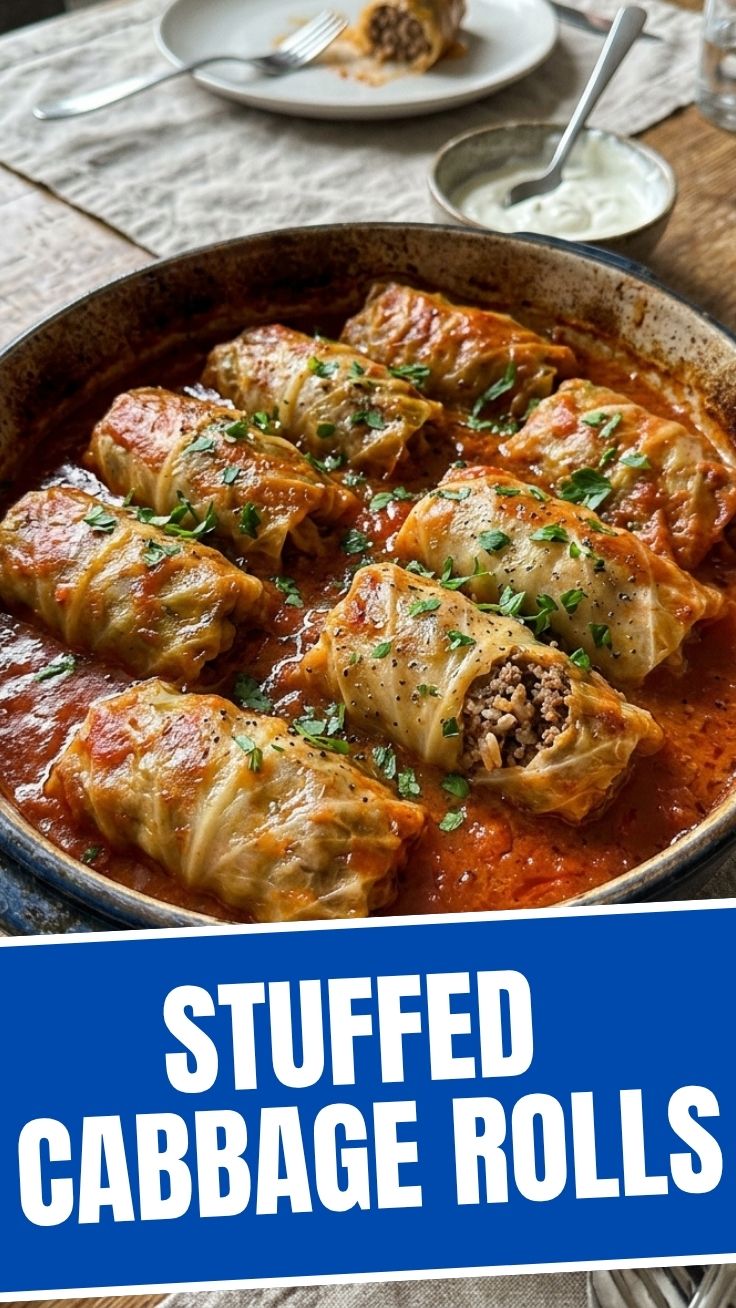
– Prep Time: 30 minutes (including boiling cabbage and mixing filling)
– Cooking Time: 1 hour 15 minutes (baking at 350°F/175°C)
– Resting Time: 10 minutes after baking before serving
– Total Time: 1 hour 55 minutes
Planning Tip: Boil the cabbage and prepare the filling a day ahead for easier assembly. You can also freeze assembled, unbaked rolls for up to 3 months—just thaw overnight in the fridge before baking.
Step-by-Step Instructions
Step 1: Prepare the Cabbage Leaves
Fill a large pot with water and bring to a rolling boil. Using a sharp knife, cut out the core of the cabbage in a cone shape. Carefully place the entire head into the boiling water, core-side down. After 2 minutes, use tongs to peel off outer leaves one by one as they soften—they should become pliable but not mushy. Repeat until you have about 12–15 large leaves. Set them aside on a clean kitchen towel to cool and drain.
Key Tip: If leaves tear, use smaller leaves doubled up for filling. Overcooking creates fragile leaves; undercooking makes them stiff to roll.
Step 2: Make the Filling
In a mixing bowl, combine ground beef, uncooked rice, chopped onion, minced garlic, beaten egg, ½ teaspoon salt, and ¼ teaspoon black pepper. Mix until just combined—overmixing can make meat tough. Taste a small patty cooked in a skillet to adjust seasoning if needed. For extra flavor, add 2 tablespoons of tomato paste to the filling mixture.
Texture Cue: The filling should be moist but not wet. If too dry, add 1–2 tablespoons of water or broth.
Step 3: Assemble the Rolls
Lay a cabbage leaf flat, vein side down. Place about ¼ cup of filling near the stem end. Fold the sides inward, then roll tightly from the stem end to the tip, like a burrito. Don’t wrap too tightly—rice expands during cooking. Repeat with all leaves and remaining filling. Set aside any leftover filling for the sauce or to make an extra roll.
Temperature Control: If leaves cool and become stiff, dip them in hot water briefly to soften again.
Step 4: Prepare the Sauce
In a small bowl, whisk together tomato sauce, diced tomatoes (with their juices), tomato paste, dried thyme, brown sugar, lemon juice, remaining salt and pepper. Taste and adjust—add more sugar if sauce tastes too acidic)Skip this step if you made the filling with tomato paste.
Step 5: Cook the Rolls
Preheat oven to 350°F (175°C). Spread a thin layer of sauce (about ½ cup) on the bottom of your baking dish or Dutch oven. Arrange the cabbage rolls seam-side down in a single layer, slightly spaced apart. Pour the remaining sauce over the top, ensuring all rolls are covered. Add enough broth to come about halfway up the sides of the rolls (about 1–2 cups). Cover tightly with aluminum foil. Bake for 1 hour 15 minutes, until cabbage is tender and filling is cooked through (internal temperature should reach 160°F/71°C for beef). Uncover and bake an additional 10–15 minutes if you want a thicker, caramelized sauce.
Cooking Variation: For a deeper flavor, simmer rolls on the stovetop in a heavy pot with a lid over medium-low heat for 1 hour, checking liquid level occasionally. This slow-cook approach is a hallmark of Traditional Polish Recipes that rely on gentle heat to marry flavors.
This step highlights how Stuffed Cabbage Rolls can be adapted to your pace—whether baking or slow-cooking, the result is deeply comforting.
Let rolls rest for 10 minutes before serving. Garnish with fresh parsley or dollop of sour cream if desired.
Nutritional Benefits & Advantages
This dish is a power-packed meal that balances protein, carbohydrates, and vegetables. A single serving (two rolls with sauce) provides approximately:
– Calories: 320–380 kcal
– Protein: 22–25g (from beef and egg)
– Carbohydrates: 35–40g (from rice and cabbage)
– Fiber: 5–7g (cabbage is rich in fiber)
– Fat: 12–15g (mostly from meat; leaner options reduce this)
– Vitamins: Cabbage is high in vitamin C (36% DV per cup), vitamin K, and antioxidants like sulforaphane, which supports detoxification.
– Minerals: Beef provides iron (15% DV) and zinc; tomatoes add lycopene, a heart-healthy antioxidant.
Dietary Advantages: Using lean meat or turkey reduces fat without sacrificing flavor. For lower sodium, choose no-salt-added canned tomatoes and broth. This dish is naturally gluten-free (use gluten-free tamari instead of soy sauce in variations).
Tips, Variations & Cooking Advice
Flavor Variations
– Herb Infusion: Add 2 tablespoons fresh dill or parsley to the filling for a bright, fresh note that enhances the cabbage.
– Spiced Twist: Stir in ½ teaspoon smoked paprika or a pinch of red pepper flakes for warmth.
– Mushroom Umami: Sauté ½ cup finely chopped mushrooms with onions before adding to filling—adds depth without extra meat.
– Sweet and Sour: Increase brown sugar to 3 tbsp and add 2 tbsp apple cider vinegar to the sauce for a Polish-style sweet-sour profile.
Ingredient Swaps
– Meat Option: Use ground pork, turkey, chicken, or a plant-based crumble (cook crumbles first to remove moisture).
– Grain Alternative: Substitute rice with quinoa or cooked barley (adjust liquid slightly).
– Cabbage Substitute: Savoy cabbage or napa cabbage works well—both have softer leaves that require less boiling time.
Cooking Methods
– Slow Cooker: Assemble rolls and place in a slow cooker, add sauce and broth, cook on low for 6–7 hours. Perfect for busy days.
– Instant Pot: Use pressure cooker setting for 20 minutes with a natural release—speeds up cooking but monitor liquid (1 cup total).
– Stovetop: Simmer in a large Dutch oven on low for 1 hour; check water level to avoid burning.
Dietary Adaptations
– Gluten-Free: Ensure all canned tomatoes and broth are labeled gluten-free; use certified gluten-free oats or quinoa instead of rice.
– Dairy-Free: Omit sour cream garnish; use coconut cream instead of cream in sauce.
– Low-Carb: Replace rice with cauliflower rice (rung dry) and increase meat proportion.
Common Mistakes to Avoid
– Overcooking Cabbage Leaves: Leaves that are too soft tear easily; undercooked leaves are hard to roll. Boil just until pliable (2–4 minutes total as you peel).
– Overfilling Rolls: Too much filling leads to bursting during cooking. Keep filling amount ¼–⅓ cup per leaf, leaving room for expansion.
– Skipping the Resting Stage: Cutting into rolls immediately releases steam and juice, making them fall apart. Let rest 10 minutes.
– Not Tasting Suce Before Simmering: The sauce is your flavor backbone—adjust salt, sweet, and acidity based on personal preference before pouring over rolls.
– Using Too Hot an Oven: High dry heat dries out rolls and burns sauce. Stick to 350°F—gentle heat ensures even cooking and tender textures.
Storage & Meal Prep Tips
Refrigeration
– Cooked Rolls: Store in an airtight container with sauce for up to 4 days. Reheat in the oven at 350°F (covered) for 15–20 minutes or in the microwave on medium power for 2–3 minutes. Add a splash of broth if sauce has thickened.
– Uncooked Rolls: Assemble but don’t bake. Cover tightly and refrigerate up to 2 days. Add 10–15 minutes to baking time if starting from cold.
Freezing
– Freeze Cooked Rolls: Cool completely, then pack in freezer-safe containers with sauce. Freeze for up to 3 months. Thaw overnight in the fridge before reheating.
– Freeze Uncooked Rolls: Place assembled rolls on a baking sheet lined with plastic wrap; freeze until solid (1 hour), then transfer to a freezer bag. Thaw before baking to prevent uneven cooking.
Meal Prep Pro Tip
Prepare a double batch on Sunday—freeze half for a midweek meal. You can also pre-boil cabbage leaves and portion filling separately, then assemble as needed within 2 days.
Conclusion
There you have it—Stuffed Cabbage Rolls done your way, whether you’re following time-honored methods from Stuffed Cabbage Rolls or adding your own creative twists. This recipe embodies the heart of Traditional Polish Recipes, bringing warmth and nourishment to your table with minimal fuss. The key takeaways: soften cabbage leaves just enough, season your filling boldly, and let the sauce work its magic as the rolls simmer. Whether you serve them with mashed potatoes, crusty bread, or a dollop of sour cream, these rolls are about comfort and connection. I’d love to see your results—share a photo in the comments or tag me on social media. And if you’re craving more, explore our guide to Polish pierogi or classic beef stroganoff next. Happy cooking!
FAQs
1. Can I use green or red cabbage interchangeably? What’s the difference?
Yes. Green cabbage is the traditional choice—it has a mild flavor and softens well without becoming mushy. Red cabbage works but stains the filling and sauce pink. It’s slightly more fibrous and requires an extra minute of boiling. For a buttery texture, try savoy cabbage, which has naturally frilly leaves that hold structure.
2. Why are my cabbage rolls falling apart while cooking?
This typically happens because the leaves are too thin or overboiled (makes them tear), or the rolls are too loose (filling shrinks during cooking). Ensure leaves are just pliable, roll firmly but not tight, and cook with enough liquid to prevent sticking. If falling apart, bake covered to reduce evaporation.
3. How do I make the filling without rice for a low-carb version?
Substitute rice with cauliflower rice (grated cauliflower, completely squeezed dry of moisture) or cooked quinoa (higher in protein). Use about 1½ cups of cauliflower rice for every cup of rice. The filling will be slightly less compact but still holds shape. Increase the egg to 2 to bind better.
4. Can I skip the step of pre-boiling cabbage leaves? What’s the alternative?
Yes, you can use blanched leaves: Core the cabbage, place in a microwave-safe bowl with ¼ cup water, cover, and microwave on high for 4–6 minutes until leaves are pliable. Or freeze a whole cabbage overnight—thawing flexes leaves without boiling. Both methods work but may result in slightly firmer texture.
5. How do I adjust cooking time for a slow cooker or Instant Pot?
– Slow Cooker: Cook on low for 6–7 hours (high for 3–4 hours). Add extra ½ cup broth to prevent drying.
– Instant Pot: Use 1 cup broth, pressure cook on high for 20 minutes, then natural release for 15 minutes. The texture is softer and more integrated than oven-baking.
Stuffed Cabbage Rolls
Ingredients
Equipment
Method
- Carefully remove the core from the cabbage and boil the whole head in a large pot for about 10-15 minutes, or until the leaves are pliable enough to peel off. Gently separate the leaves and trim the thick veins from each leaf.
- In a large bowl, combine the ground beef, uncooked rice, chopped onion, egg, garlic powder, salt, and pepper. Mix until well combined.
- Place a spoonful of the meat mixture onto each cabbage leaf, then fold in the sides and roll up tightly. Arrange the rolls in a large baking dish or Dutch oven.
- In a separate bowl, whisk together the crushed tomatoes, water, brown sugar, and lemon juice to create the sauce. Pour the sauce evenly over the cabbage rolls.
- Cover the dish and bake at 350°F (175°C) for 1 hour and 30 minutes, or until the cabbage is tender and the filling is cooked through. Serve hot.