A Quick and Flavorful Beef Bowl Recipe for Busy Weeknights
Have you ever craved the savory-sweet goodness of a Korean Beef Bowl but thought it would take too long to make at home? In reality, this restaurant-quality dish comes together in under 30 minutes with simple pantry staples. The secret lies in the marinade inspired by bulgogi—a perfect balance of soy sauce, brown sugar, sesame oil, and garlic that transforms ground beef into something extraordinary. Preparing it yourself not only saves money but also lets you control the sodium and spice levels, making it a healthier alternative to takeout.
—
Ingredients & Kitchen Tools (H2)
Ingredients
– 1 lb ground beef (80/20) – higher fat yields juicier results; leaner options work too but add a splash of oil
– ½ cup low-sodium soy sauce – tamari is a great gluten-free substitute
– ¼ cup brown sugar (packed) – or coconut sugar for a less refined option
– 2 tbsp sesame oil – toasted for deeper flavor; skip if you want a milder taste
– 4 cloves garlic (minced) – fresh is best, but 1 tsp garlic powder can stand in
– 1 tbsp fresh ginger (grated) – omit and add a pinch of ground ginger if needed
– ½ tsp red pepper flakes (gochugaru) – adjust to taste; use sriracha for a different kick
– 2 green onions (sliced) – garnish
– 1 tbsp sesame seeds – for crunch
– Cooked white rice – sushi rice or short-grain is traditional; jasmine works too
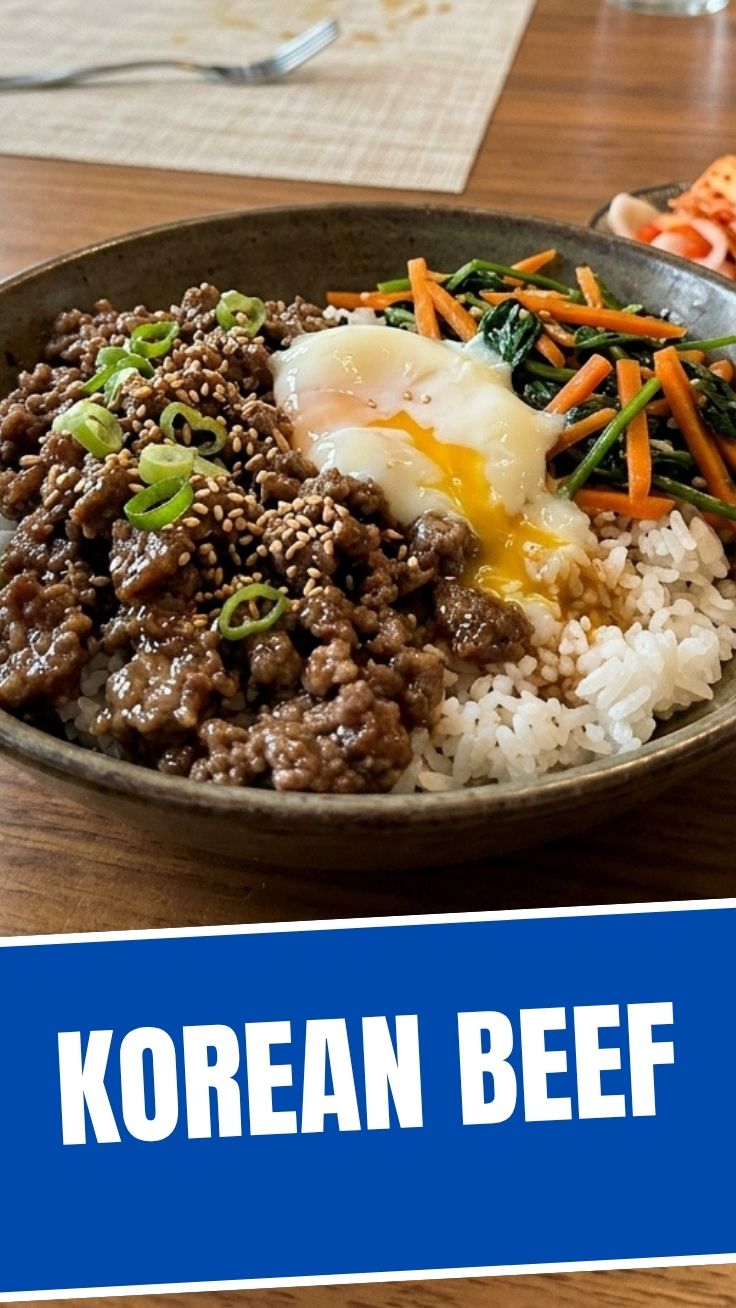
– Optional toppings: shredded carrots, cucumber ribbons, a fried egg, kimchi, or nori strips
Kitchen Tools & Utensils
– Large skillet or wok – nonstick or cast iron preferred
– Wooden spoon or spatula
– Small bowl for mixing sauce
– Sharp knife and cutting board
– Rice cooker or saucepan
– Measuring spoons and cups
—
Prep Time & Cooking Schedule (H2)
– Prep Time: 10 minutes (mince garlic, grate ginger, slice green onions, mix sauce)
– Cook Time: 10 minutes (brown beef, simmer sauce)
– Resting Time: 2 minutes (let the beef stand before serving to allow flavors to meld)
– Total Time: 22 minutes
Plan to start your rice first if cooking from scratch (typical cook time ~15 minutes). While the rice cooks, prepare the beef and sauce. This dish moves fast—have all ingredients measured and ready before you turn on the heat.
—
Step-by-Step Instructions (H2)
1. Make the sauce: In a small bowl whisk together soy sauce, brown sugar, sesame oil, minced garlic, grated ginger, and red pepper flakes. Set aside.
2. Brown the beef: Heat a large skillet over medium-high heat. Add the ground beef and cook, breaking it into small crumbles with a wooden spoon, until no pink remains (about 5 minutes). Drain excess fat if desired, but leave a tablespoon for flavor.
3. Simmer the sauce: Pour the prepared sauce over the cooked beef. Stir well and bring to a gentle simmer. Cook for 2–3 minutes until the sauce thickens slightly and coats the meat. The mixture should be glossy and smell deeply of soy and sesame.
4. Assemble the bowl: Divide cooked rice into serving bowls. Spoon the beef mixture over the rice. Top with sliced green onions, sesame seeds, and your optional garnishes.
5. Pro tip for perfect texture: For a caramelized finish, increase heat to high during the last 30 seconds of simmering. This replicates the rich char you’d get from traditional bulgogi. Serve immediately while the meat is hot and the rice is steamy.
Whether you’re making a simple weeknight Korean Beef Bowl or a more elaborate bibimbap-style presentation, this method guarantees bold flavor every time.
—
Nutritional Benefits & Advantages (H2)
A single serving of this Korean beef bowl provides about 25 g of protein from the ground beef, supporting muscle repair and satiety. Sesame oil offers healthy monounsaturated fats and antioxidants like sesamol. Garlic and ginger are rich in anti-inflammatory compounds, while the brown rice option adds fiber and B vitamins. Compared to takeout versions, homemade allows you to reduce sodium by up to 40% using low-sodium soy sauce. The bowl can easily be made lower-carb by substituting cauliflower rice or lettuce wraps.
—
Tips, Variations & Cooking Advice (H2)
Flavor Variations
– Spicy kick: Add 1 tbsp gochujang (Korean chili paste) to the sauce.
– Sweet twist: Swap brown sugar for honey or maple syrup.
– Extra umami: Mix in 1 tsp fish sauce or a splash of mushroom soy sauce.
Ingredient Swaps
– Protein: ground pork, turkey, or crumbled firm tofu (for vegetarian version)
– Rice: quinoa, cauliflower rice, or glass noodles
– Vegetables: sautéed spinach, bean sprouts, or roasted bell peppers
Dietary Adaptations
– Gluten-free: Use tamari or coconut aminos instead of soy sauce.
– Dairy-free: This recipe is naturally dairy-free.
– Low-carb: Serve over a bed of shredded cabbage or mixed greens.
Alternative Cooking Methods
– Instant Pot: Brown beef using the sauté function, then add sauce and cook on high pressure for 0 minutes (quick release). Stir and serve.
– Meal prep: Cook beef double batch and refrigerate sauce separately to prevent sogginess.
—
Common Mistakes to Avoid (H2)
| Mistake | Solution |
|———|———-|
| Overcooking the beef | Cook until just browned, then simmer sauce only 2–3 minutes. Overcooking dries out the meat. |
| Sauce too salty | Use low-sodium soy sauce and taste before adding extra salt. Balance sweetness if needed. |
| Undercooked garlic/ginger | Sauté aromatics separately for 30 seconds before adding beef, or ensure they simmer fully in the sauce. |
| Rice too sticky or mushy | Rinse rice thoroughly before cooking; use a 1:1.25 rice-to-water ratio for short-grain. |
| Skipping rest time | Let the beef sit for 2 minutes after cooking so the sauce thickens and clings to the meat. |
—
Storage & Meal Prep Tips (H2)
– Refrigeration: Store the beef and rice separately in airtight containers for up to 4 days. Keeps best with sauce absorbed but not waterlogged.
– Freezing: Freeze the cooked beef (without rice) in a freezer-safe bag for up to 3 months. Thaw overnight in the fridge.
– Reheating: Reheat beef in a skillet over medium heat with a splash of water or soy sauce to restore moisture. Microwave rice with a damp paper towel to prevent drying.
– Texture tip: For meal prep, undercook the beef slightly and keep sauce separate until serving to maintain a fresh, glossy texture.
—
Conclusion (H2)
This recipe proves that an authentic-tasting Korean Beef Bowl is entirely achievable on a busy weeknight. The magic of bulgogi-inspired marinade elevates humble ground beef into a savory, sweet, and umami-packed meal that rivals your favorite takeout. With just 20 minutes of active time, you can enjoy a balanced bowl that’s customizable, nutritious, and deeply satisfying. Try it tonight, and don’t forget to top it with a fried egg and kimchi for the full experience. Share your results in the comments—I’d love to see your twist on this classic!
—
FAQs (H2)
1. Can I use ground chicken or turkey instead of beef?
Absolutely. Ground poultry works well; just add 1 tbsp of oil to prevent dryness since it’s leaner. Increase the sugar slightly to compensate for the milder flavor.
2. How do I make this dish less sweet?
Reduce the brown sugar to 2 tablespoons. You can also add a splash of rice vinegar or lemon juice to balance the sweetness with acidity.
3. Can I prepare the sauce ahead of time?
Yes, the sauce can be mixed and refrigerated for up to a week. The flavors will meld even further. Shake or stir before using.
4. Why is my beef sauce too watery?
Make sure to simmer the sauce after adding it to the beef without covering the skillet. Let it reduce for 2–3 minutes until it clings to the meat. If still watery, mix 1 tsp cornstarch with 1 tbsp cold water and stir in.
5. Is this recipe spicy?
The base recipe is mild. The red pepper flakes add a gentle warmth. For more heat, add gochujang or fresh chopped chili peppers.
Quick way to grow Korean Beef Bowl
Ingredients
Equipment
Method
- Begin by slicing the flank steak against the grain into thin strips; this will ensure the beef is tender and cooks quickly.
- In a medium bowl, whisk together the soy sauce, brown sugar, sesame oil, minced garlic, and grated ginger to create the marinade for the beef.
- Add the sliced beef to the bowl with the marinade, tossing to coat evenly, and then let it marinate for at least 15 minutes to absorb the flavors.
- Heat a large skillet or wok over medium-high heat, adding a small amount of oil if needed, then add the marinated beef in a single layer to ensure even cooking.
- Cook the beef for 2-3 minutes per side, or until it is browned and cooked through, working in batches if necessary to avoid overcrowding the pan.
- Once cooked, remove the beef from the skillet and set it aside, keeping it warm while you prepare the bowls.
- Divide the cooked rice among serving bowls, creating a base for the beef.
- Spoon the cooked Korean beef over the rice in each bowl.
- Garnish each bowl generously with sliced green onions and a sprinkle of sesame seeds for added flavor and visual appeal, then serve immediately.