Why Homemade Pasta Primavera Beats Every Restaurant Version (And Saves You $15)
Have you ever wondered why restaurant pasta primavera tastes so fresh and vibrant, yet somehow leaves your wallet feeling lighter and your stomach still half-empty? The truth is that most commercial versions rely on heavy cream sauces, frozen vegetable medleys, and overpriced portion control. When you prepare a Pasta Primavera at home, you unlock complete control over seasonal produce, texture, cooking time, and—most importantly—flavor complexity. This classic spring dish transforms simple vegetables into a symphony of textures and tastes, and mastering it in your own kitchen means you can enjoy restaurant-quality results for a fraction of the cost. Below, I’ll walk you through every step, tool, and technique you need to make a truly unforgettable version that rivals any Italian trattoria.
Note: For an excellent shrimp variation, check out this Pasta Primavera recipe. And for a hearty tortellini twist, explore this Primavera pasta recipe.
Ingredients & Kitchen Tools
Ingredients (serves 4–6):
– 12 oz (340 g) dried pasta – Use penne, fusilli, or farfalle; their ridges hold sauce well
– 2 tbsp olive oil – Extra virgin for drizzling; use regular for sautéing
– 4 cloves garlic, minced – Adjust to taste; 3–5 cloves offers balanced pungency
– 1 medium zucchini, diced – Adds tender crunch and mild sweetness
– 1 medium yellow squash, diced – Complements zucchini with subtle nuttiness
– 1 red bell pepper, sliced – Provides vibrant color and slight smokiness when sautéed
– 1 cup cherry tomatoes, halved – Burst open during cooking for natural acidity
– 1 cup fresh asparagus, cut into 1-inch pieces – Needs only 3–4 minutes cook time
– 1/2 cup frozen peas – Thaw quickly; add at the end for bright green pop
– 1/4 cup fresh basil leaves, chopped – Use whole leaves for garnish; torn for mixing
– 1/3 cup grated Parmesan cheese – Freshly grated melts better than pre-shredded
– Salt and black pepper to taste – Start with 1 tsp salt per quart of pasta water
– Optional: 1 tbsp butter, 1/4 cup heavy cream, red pepper flakes
Kitchen Tools:
– Large stockpot (6–8 quart) for pasta
– Large skillet or sauté pan (12-inch) – Nonstick optional, stainless steel preferred
– Colander for draining
– Chef’s knife and cutting board
– Wooden spoon or tongs
– Measuring spoons and cups
– Microplane or box grater for Parmesan
Optional Substitutions:
– Gluten-free pasta works well but reduces cooking time by 1–2 minutes
– Dairy-free: omit Parmesan; use nutritional yeast (2 tbsp)
– Protein add-in: grilled chicken, shrimp (see the shrimp scampi link above), or tofu
Prep Time & Cooking Schedule

– Prep time: 15 minutes (washing, chopping, mincing)
– Cook time: 15–18 minutes total
– Resting time: 2–3 minutes (allows flavors to meld after adding cheese)
– Total time: approximately 30–35 minutes
Planning tip: Chop all vegetables before boiling pasta so they’re ready when the water reaches a rolling boil. If you’re serving guests, set out your Parmesan and basil before starting the sauté—this dish moves quickly toward the end.
Step-by-Step Instructions
1. Boil pasta: Fill a large stockpot with 4–5 quarts water, add 1 tbsp salt, and bring to a rolling boil. Add pasta and cook according to package directions until al dente (typically 8–10 minutes). Reserve 1 cup pasta water before draining.
2. Sauté aromatics: While pasta cooks, heat 2 tbsp olive oil in a large skillet over medium heat. Add minced garlic and cook 30 seconds until fragrant—do not let it brown.
3. Cook firm vegetables first: Add zucchini, yellow squash, and bell pepper. Sauté 4 minutes, stirring occasionally, until slightly softened but still bright. The skillet should sizzle—if it doesn’t, increase heat slightly.
4. Add tender vegetables: Stir in cherry tomatoes and asparagus. Cook 2 minutes more until tomatoes begin to burst and asparagus turns vibrant green. If you prefer softer asparagus, add 1–2 minutes extra.
5. Incorporate peas and season: Lower heat to low, add peas, and stir. Season with 1/4 tsp salt and a few cracks of black pepper. Taste a vegetable—it should be tender-crisp, not mushy.
6. Combine pasta and vegetables: Add drained pasta to the skillet. Toss gently with tongs. Pour in 1/4 cup reserved pasta water and stir. The starchy water helps sauce cling to every strand.
7. Finish with cheese and herbs: Remove skillet from heat. Add Parmesan and fresh basil. Toss again—the residual heat melts the cheese. If sauce seems dry, add more pasta water 2 tbsp at a time. Serve immediately.
During this process, remember that the Primavera pasta recipe comes together in under 20 minutes of active cooking, making it ideal for weeknight meals.
Nutritional Benefits & Advantages
This dish provides a powerhouse of nutrients in every serving (approximate values per 2-cup serving with 2 oz dry pasta):
– Calories: ~380–420 (varies with cheese and oil)
– Protein: 14–16 g (from pasta, Parmesan, and peas)
– Fiber: 6–8 g (zucchini, squash, asparagus, peas)
– Vitamin C: 80% DV (bell peppers, tomatoes)
– Vitamin A: 60% DV (dark green vegetables)
– Iron: 15% DV (spinach if added, otherwise from peas and pasta)
The combination of multiple vegetable colors delivers diverse antioxidants: lycopene from tomatoes, beta-carotene from squash, and flavonoids from peppers. Compared to cream-based restaurant versions, this homemade recipe uses minimal oil and no heavy cream, reducing saturated fat by about 60%.
Tips Variations & Cooking Advice
– Seasonal swaps: In summer, add grilled corn kernels (1 cup). In fall, use roasted butternut squash cubes and kale.
– Protein variation: Sear 8 oz shrimp separately (see the Pasta Primavera link for details) and toss in at step 6. Or add 1 can drained chickpeas for plant-based protein.
– Gluten-free option: Use chickpea or lentil pasta—cook 1 minute less than directed and rinse with hot water after draining.
– Dairy-free adaptation: Replace Parmesan with 2 tbsp nutritional yeast + 1 tbsp lemon juice; use vegan butter if desired.
– Spice it up: Add 1/2 tsp red pepper flakes with garlic.
– Perfect texture tip: Never overcook vegetables—they continue cooking from residual heat even after the skillet is removed from the burner.
Common Mistakes to Avoid
– Overcooking vegetables: This is the #1 error. Vegetables should remain bright and slightly crisp. Under-cook by 30 seconds if unsure; you can always add heat but cannot restore crunch.
– Skipping pasta water: Plain water won’t create a sauce; starchy reserved water is essential for binding cheese and oil into a cohesive coating.
– Using pre-grated cheese: It contains anti-caking agents that prevent smooth melting. Always grate Parmesan fresh.
– Crowding the skillet: Overfilling steams vegetables instead of sautéing them. Use a large skillet (12-inch) or cook in two batches.
– Adding garlic too early: Garlic burns quickly. Add it after other vegetables have softened slightly to avoid bitter flavor.
Storage & Meal Prep Tips
– Refrigeration: Store in an airtight container for up to 4 days. Pro tip: Drizzle a teaspoon of olive oil over the top before sealing to maintain moisture.
– Freezing: This dish freezes moderately well for up to 2 months, but expect texture changes in zucchini and squash—they will be softer upon thawing. For best results, freeze without cheese and add fresh Parmesan after reheating.
– Reheating: Reheat in a skillet over medium-low heat with 2–3 tbsp water or broth. Stir frequently for 3–4 minutes. Microwave in 30-second bursts, stirring between each, adding a splash of water to prevent drying.
– Meal prep strategy: Chop all vegetables up to 2 days in advance and store them separately in sealed containers. Cook pasta and vegetables on Sunday, then portion into containers for quick weekday lunches.
Conclusion
Mastering a vibrant Pasta Primavera at home transforms a simple weeknight dinner into a celebration of seasonal produce and smart technique. The key takeaways are to cook vegetables until just tender, always reserve pasta water for silky sauce, and finish with fresh basil and real Parmesan for maximum flavor. This Primavera pasta recipe proves that fresh, colorful meals can come together in under 30 minutes without sacrificing nutrition or taste. I encourage you to try this recipe tonight—experiment with whatever vegetables look freshest at your market, share your favorite variation in the comments, and explore the shrimp scampi link above for another quick pasta favorite.
FAQs
1. Can I use frozen vegetables instead of fresh?
Yes, but adjust cooking dramatically. Frozen vegetables are already blanched, so add them in the last 2–3 minutes of sautéing. Thaw and drain them first to avoid excess water.
2. Why is my pasta primavera watery?
This typically happens when you use too much pasta water or when vegetables release excess liquid. Solution: reserve only 1/2 cup pasta water initially, add 2 tbsp at a time, and stop when sauce coats the pasta without pooling.
3. How do I make this dish creamier without heavy cream?
Use 2 tbsp butter at step 6, or stir in 3 tbsp cream cheese. Alternatively, blend 1/4 cup cooked vegetables (like squash) with 3 tbsp water to create a naturally creamy puree.
4. What pasta shape works best?
Short shapes with ridges—penne, farfalle, rotini, or fusilli—hold vegetables and sauce better than long strands like spaghetti. If using long pasta, break it in half before boiling.
5. Can I prepare this dish in advance for a party?
Yes, but serve immediately after combining. For buffet-style events, cook pasta slightly under al dente (1 minute less), toss with 1 tbsp oil to prevent sticking, then warm and combine with vegetables just before serving.
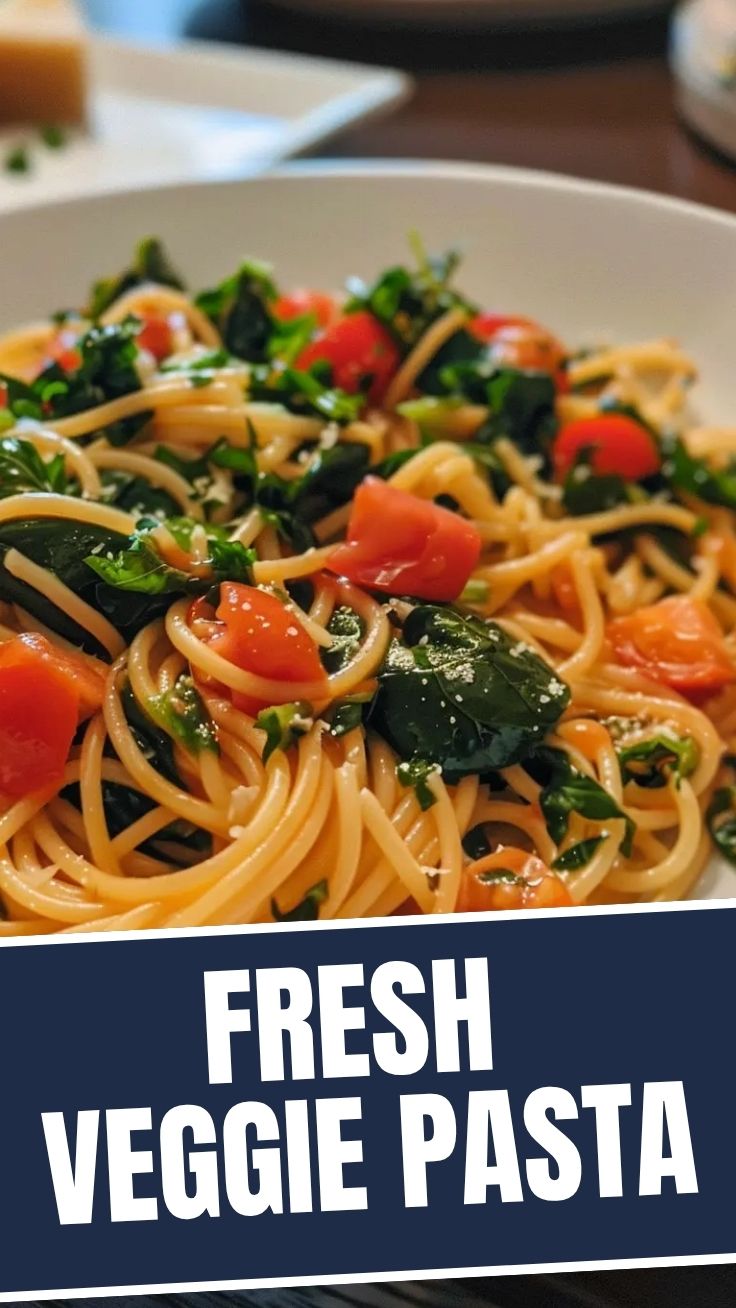
Best way to grow a perfect Pasta Primavera in 30 minutes
Ingredients
Equipment
Method
- Cook pasta according to package directions in a large pot of salted boiling water.
- While pasta cooks, blanch broccoli and asparagus in the boiling pasta water for 2-3 minutes, then remove with a slotted spoon and set aside.
- Heat olive oil in a large skillet over medium heat, then add onion and garlic and sauté until fragrant, about 2-3 minutes.
- Add cherry tomatoes, peas, blanched broccoli, and asparagus to the skillet and cook for 3-5 minutes, until vegetables are tender-crisp.
- Drain the cooked pasta, reserving about half a cup of pasta water.
- Add the drained pasta, vegetable broth, and half of the Parmesan cheese to the skillet with the vegetables.
- Toss everything together, adding a splash of reserved pasta water if the sauce is too dry.
- Stir in lemon zest and fresh basil.
- Season with salt and black pepper to taste.
- Serve immediately, garnished with the remaining Parmesan cheese.