Bring Restaurant-Quality Comfort to Your Kitchen with This Classic Italian Dish
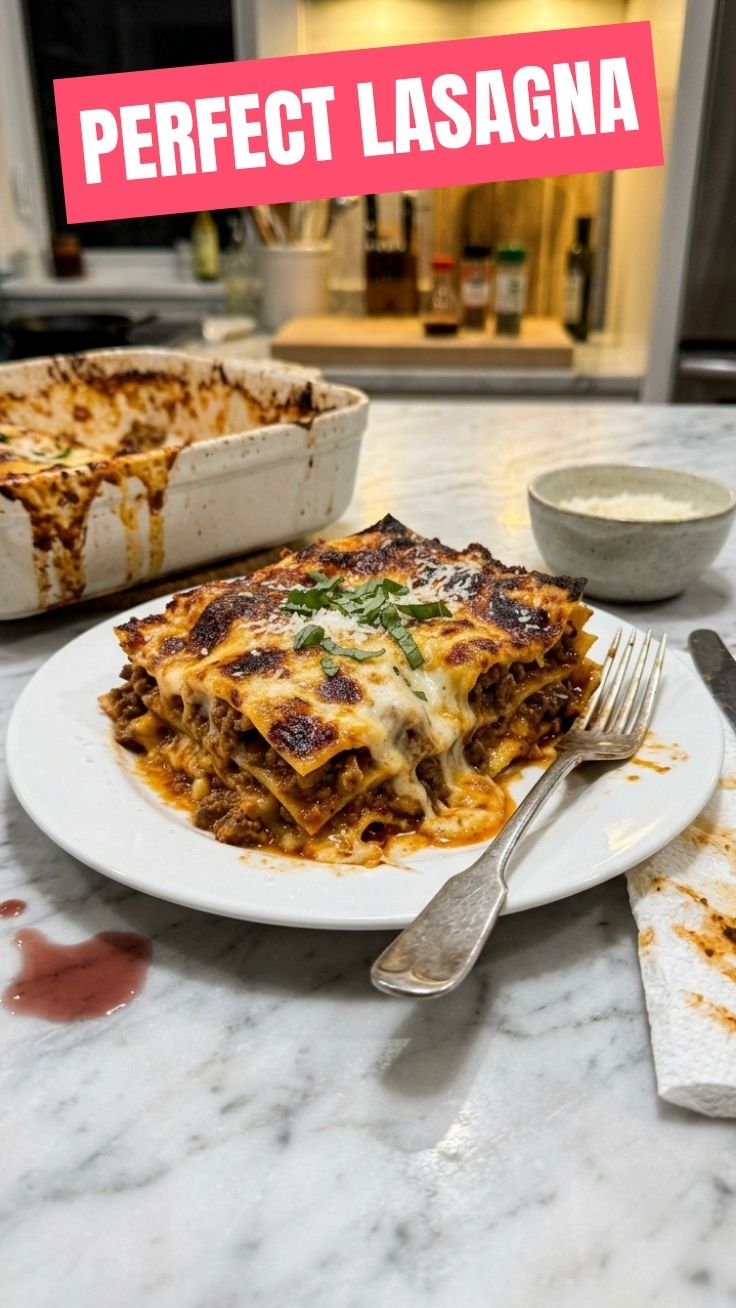
Few dishes evoke the warmth of home cooking quite like a beautifully layered, bubbling Italian casserole. Have you ever wondered why the version you enjoy at your favorite trattoria tastes so much richer than anything from a box? The secret lies in the love, patience, and quality ingredients that go into making it from scratch. Preparing this iconic dish at home not only fills your kitchen with an irresistible aroma but also gives you complete control over every element—from the savory meat sauce to the creamy béchamel. You can customize the cheese blend, adjust the seasoning, and even sneak in extra vegetables for a nutritional boost. When you master this recipe, you elevate your dinner game and save money compared to dining out. The foundation of this entire experience is a well-crafted Lasagna, which balances tender pasta, rich ragu, and gooey cheese in every bite. Exploring different Lasagna recipes can inspire you to try variations like white sauce versions or vegetable-packed options.
—
Ingredients & Kitchen Tools
For the Meat Sauce
| Ingredient | Purpose & Notes |
|————|—————–|
| 1 lb ground beef (80/20) | Provides rich flavor; substitute with ground turkey or plant-based crumbles |
| 1 large onion, diced | Adds sweetness and depth; shallots work as a substitute |
| 4 cloves garlic, minced | Essential for aromatic base; use 1 tsp garlic powder in a pinch |
| 2 cans (28 oz each) crushed San Marzano tomatoes | Highest quality tomatoes yield the best sauce; fire-roasted tomatoes add smokiness |
| 2 tbsp tomato paste | Thickens and deepens the color; double concentrate preferred |
| 1 tbsp dried oregano | Classic Italian herb; 3 tbsp fresh oregano is a superior substitute |
| 1 tsp red pepper flakes | Optional heat; adjust to taste |
| Salt and black pepper | Season to taste at each stage |
| 2 tbsp olive oil | For sautéing; extra virgin preferred |
For the Cheese Filling & Assembly
| Ingredient | Purpose & Notes |
|————|—————–|
| 15 oz whole-milk ricotta | Creamy base; cottage cheese blended until smooth works in a pinch |
| 1 large egg | Binds the ricotta mixture; flax egg for dairy-free |
| ½ cup grated Parmesan (plus extra for topping) | Nutty, salty finish; Pecorino Romano adds sharper bite |
| 3 cups shredded low-moisture mozzarella | Best melt and stretch; fresh mozzarella requires draining first |
| ¼ cup fresh parsley or basil, chopped | Brightens the richness; dried herbs are less vibrant |
| 12 no-boil lasagna noodles | Saves time; traditional noodles require boiling first |
| Optional: ½ tsp freshly grated nutmeg | Elevates ricotta filling; a classic Italian touch |
Kitchen Tools
– 9×13-inch baking dish (ceramic or glass for even heat)
– Large skillet or Dutch oven (for sauce)
– Medium mixing bowl
– Cheese grater (grating your own cheese melts better)
– Aluminum foil (for covering during baking)
– Sharp knife and cutting board
– Wooden spoon or spatula
– Measuring cups and spoons
—
Prep Time & Cooking Schedule
| Stage | Time | Notes |
|——-|——|——-|
| Prep time | 30 minutes | Dice onions, mince garlic, grate cheeses, measure spices |
| Sauce simmer | 45–60 minutes | Low and slow develops deep umami; stir occasionally |
| Assembly | 15 minutes | Layer while sauce rests slightly |
| Bake (covered) | 35 minutes at 375°F | Allows pasta to soften and flavors to meld |
| Bake (uncovered) | 10–15 minutes | Creates golden, bubbly top; watch carefully |
| Resting time | 15 minutes (critical!) | Do not skip—prevents runny slices and sets structure |
| Total | ~2 hours 15 minutes | Most is inactive simmering and baking time |
Planning Tip: Prepare the sauce up to 3 days in advance or freeze for 3 months. Assemble the entire dish a day ahead and refrigerate unbaked—add 10 minutes to covered bake time.
—
Step-by-Step Instructions
1. Build the Meat Sauce
Heat 2 tablespoons olive oil in a large skillet or Dutch oven over medium-high heat. Add the ground beef and cook, breaking it into small crumbles with a wooden spoon, until deeply browned—about 7 to 8 minutes. Resist the urge to stir constantly; letting the meat sit undisturbed encourages browning. Once browned, transfer the beef to a plate using a slotted spoon, leaving about 2 tablespoons of drippings in the pan. Reduce heat to medium, add the diced onion, and sauté until translucent—about 5 minutes. Add the minced garlic and cook for 30 seconds until fragrant. Return the beef to the pan, stir in tomato paste, and cook for 2 minutes to caramelize. Pour in the crushed tomatoes, oregano, red pepper flakes, ½ teaspoon salt, and ¼ teaspoon black pepper. Bring to a gentle simmer, then reduce heat to low, cover partially, and let bubble for 45 minutes. Taste and adjust seasoning. A well-made sauce is the heart of any great Lasagna, and this one delivers deep, savory richness.
2. Prepare the Cheese Mixture
While the sauce simmers, combine the ricotta, egg, ¼ cup Parmesan, 1 cup of shredded mozzarella, the chopped parsley or basil, and a pinch of nutmeg in a medium bowl. Stir until smooth and fully incorporated. Season with ¼ teaspoon salt and a few grinds of black pepper. Set aside at room temperature.
3. Layer the Lasagna
Preheat your oven to 375°F. Spread a thin layer of meat sauce (about 1 cup) across the bottom of your 9×13-inch baking dish—this prevents the noodles from sticking. Place 3 no-boil lasagna noodles side by side, slightly overlapping if needed. Spread one-third of the ricotta mixture evenly over the noodles. Sprinkle with ½ cup of mozzarella and 1 tablespoon of Parmesan. Ladle about 1½ cups of meat sauce over the cheese layer. Repeat this sequence two more times: noodles, ricotta, mozzarella, Parmesan, sauce. For the final top layer, arrange the last 3 noodles, cover with remaining sauce, and sprinkle generously with the remaining mozzarella and Parmesan. Exploring different Lasagna recipes might inspire you to add a layer of sautéed spinach or mushrooms here for extra depth.
4. Bake to Perfection
Cover the dish tightly with aluminum foil (spray the underside with cooking spray to prevent cheese sticking). Bake on the middle rack for 35 minutes. Remove the foil and bake for another 10 to 15 minutes, until the cheese is bubbly and golden brown in spots. If you want extra browning, switch to broil for the final 2 minutes—watch closely to avoid burning. Let the lasagna rest on a wire rack for at least 15 minutes before slicing. This resting period allows the layers to set so each slice holds its shape beautifully.
—
Nutritional Benefits & Advantages
This homemade lasagna offers more than incredible flavor—it delivers substantial nutritional value. A single serving (about 1/8 of the dish) provides approximately 35 grams of protein, making it a satisfying meal that supports muscle repair and satiety. The beef is an excellent source of iron, zinc, and B vitamins, particularly B12, which is essential for energy metabolism and nervous system health. Tomatoes are rich in lycopene, a powerful antioxidant linked to reduced risk of chronic disease, and cooking tomatoes in olive oil actually increases lycopene absorption. Ricotta and mozzarella contribute calcium for bone health, while the garlic and onions provide prebiotic fibers that support gut microbiome diversity. By controlling the sodium level at home, you can easily keep each serving under 600 milligrams of sodium—significantly less than restaurant or frozen versions. To boost the vegetable content further, consider blending finely chopped carrots or zucchini into the meat sauce.
—
Tips, Variations & Cooking Advice
Flavor Variations
– White Lasagna (Lasagna Bianca): Replace meat sauce with a creamy béchamel (butter, flour, milk, nutmeg) and layer with sautéed mushrooms, spinach, and roasted chicken.
– Spicy Sausage Version: Substitute half the ground beef with spicy Italian sausage (casings removed) for a punchy, fennel-infused twist.
– Vegetable-Forward: Add a layer of roasted eggplant, zucchini, or bell peppers between the ricotta and sauce.
Dietary Adaptations
– Gluten-Free: Use gluten-free no-boil noodles or thinly sliced zucchini/zucchini planks. Reduce bake time by 5–10 minutes.
– Dairy-Free: Substitute ricotta with blended silken tofu or cashew cream, use dairy-free mozzarella shreds, and omit Parmesan or use nutritional yeast.
– Lower-Carb: Replace noodles with thinly sliced eggplant or large collard green leaves blanched until pliable.
Cooking Advice
– Noodle shortcut: No-boil noodles work perfectly if the sauce is sufficiently hydrated. If using traditional noodles, cook them 2 minutes less than al dente so they don’t become mushy during baking.
– Make ahead magic: Assemble the entire lasagna up to 24 hours in advance. The flavors meld beautifully, and it actually tastes better the next day.
– Portion control: For meal prep, assemble in two 8×8-inch pans—bake one now, freeze the other unbaked for up to 3 months.
—
Common Mistakes to Avoid
| Mistake | Why It Happens | The Fix |
|———|—————-|———|
| Soggy Lasagna | Too much sauce or undercooked noodles release excess moisture | Simmer sauce until thickened; use no-boil noodles as directed; let rest 15 minutes |
| Dry, Tough Texture | Too little sauce or overbaking | Cover with foil for most of the bake; ensure sauce covers noodles fully |
| Runny Slices After Cutting | Skipping the resting period | The 15-minute rest is non-negotiable—it allows starches to set |
| Bland Flavor | Not seasoning each layer individually | Salt the ricotta mixture, the sauce, and consider a pinch of sugar in the sauce |
| Cheese Sticking to Foil | Foil touching the cheese directly | Spray foil with cooking spray or use a sheet of parchment between cheese and foil |
—
Storage & Meal Prep Tips
Refrigeration: Store leftover lasagna in an airtight container or tightly wrapped in the baking dish for up to 5 days. Press plastic wrap directly against the cut surface to prevent drying.
Freezing: Lasagna freezes exceptionally well. Cool completely, then portion into individual slices or freeze the whole dish. Wrap tightly in plastic wrap followed by a layer of aluminum foil. Label with date and contents. Freeze for up to 3 months. To thaw, transfer to the refrigerator 24 hours before reheating.
Reheating: For best texture, reheat individual slices in a 350°F oven for 15–20 minutes, covered with foil to prevent drying. The microwave works in a pinch (2–3 minutes on medium power), but the noodles may become softer. Add a splash of water or extra sauce before microwaving to maintain moisture. For a crispy edge, reheat in a non-stick skillet over medium heat with a lid for 10 minutes.
Meal Prep Strategy: Double the recipe and bake one 9×13-inch lasagna for dinner tonight. Assemble a second in a disposable foil pan, freeze unbaked, and bake directly from frozen (add 20–25 minutes to covered bake time) on a busy weeknight.
—
Conclusion
Mastering this classic Italian dish at home rewards you with layers of rich flavor, satisfying texture, and complete creative control. From the slow-simmered meat sauce to the creamy cheese filling and perfectly bubbled top, every step builds toward a comforting meal that brings people together around the table. Whether you follow this recipe exactly or adapt it with your favorite vegetables or protein, the process is both fulfilling and surprisingly simple once you understand the rhythm of layering and baking. Remember to let your creation rest before slicing, and don’t hesitate to experiment with different cheese combinations or spice levels. A homemade Lasagna is a true labor of love that delivers restaurant-quality results in your own kitchen. If you’re hungry for more inspiration, browsing diverse Lasagna recipes can open up a world of creative variations to try next. So preheat your oven, gather your ingredients, and get ready to create something unforgettable. Share your results in the comments—we’d love to see your beautiful bubbly masterpiece!
—
Frequently Asked Questions
1. Can I use cottage cheese instead of ricotta?
Yes. Cottage cheese has a similar texture but is slightly more watery. To avoid a runny lasagna, drain the cottage cheese in a fine-mesh strainer for 30 minutes before mixing, or blend it briefly in a food processor for a smoother consistency. Add an extra tablespoon of Parmesan to balance the mild flavor.
2. How do I prevent my lasagna noodles from coming out hard or chewy?
If using no-boil noodles, ensure your sauce is thin enough to provide adequate moisture—it should be saucy but not watery. If the sauce seems thick, stir in ¼ cup of water or broth before layering. Cover the dish tightly with foil during the first 35 minutes of baking to trap steam, which hydrates the noodles perfectly.
3. Why did my lasagna turn out watery?
Excess moisture usually comes from three sources: under-simmered sauce, watery ricotta, or vegetables that weren’t pre-cooked. Always simmer your sauce until it thickens and reduces slightly. If using fresh mozzarella, press it between paper towels to remove excess whey. Preheat any vegetables like spinach or mushrooms in a dry skillet until their water evaporates before layering.
4. Can I make this lasagna dairy-free?
Absolutely. Substitute ricotta with blended silken tofu (14 oz block, drained) seasoned with 2 tablespoons nutritional yeast, 1 tablespoon lemon juice, and ½ teaspoon salt. Use dairy-free mozzarella shreds that melt well—look for cashew- or coconut-based brands. Omit Parmesan or use a dairy-free alternative. The bake time remains the same.
5. How far in advance can I assemble the lasagna before baking?
You can assemble the lasagna up to 24 hours ahead and refrigerate it tightly covered. If assembling longer than 24 hours in advance (up to 48 hours), slightly undercook the sauce (reduce simmer time by 10 minutes) to prevent over-hydration. For longer storage, freeze the unbaked lasagna for up to 3 months—bake directly from frozen, adding 20–25 minutes to the covered bake time.
How to Grow Lasagna
Ingredients
Equipment
Method
- Cook lasagna noodles according to package directions, then drain and set aside.
- Brown ground beef in a large pan; drain any excess fat and stir in marinara sauce.
- Combine ricotta cheese, 1 cup of mozzarella, and Parmesan cheese in a bowl.
- Layer noodles, meat sauce, and cheese mixture in a baking dish, repeating layers and topping with remaining mozzarella.
- Bake at 375°F (190°C) for 45-50 minutes, or until bubbly and golden brown.
- Brown Italian sausage in a large skillet, breaking it up as it cooks.
- Add diced tomatoes and broken lasagna noodles to the skillet, stirring to combine.
- Bring to a simmer, cover, and cook for 15-20 minutes until noodles are tender.
- Stir in spinach until wilted, then dollop with ricotta cheese before serving.
- Cook lasagna noodles according to package directions; drain and lay flat.
- Mix ricotta cheese, spinach, and half of the mozzarella in a bowl.
- Spread a thin layer of the cheese mixture over each noodle, then roll up tightly.
- Arrange roll-ups in a baking dish, cover with marinara sauce and remaining mozzarella.
- Bake at 375°F (190°C) for 25-30 minutes, until cheese is melted and bubbly.