Fire Up the Grill: The Ultimate Guide to High Protein Grilled Salmon Recipes for a Healthier You
Are you tired of bland, dry chicken breasts ruling your meal prep rotation? What if you could transform your dinner plate into a restaurant-quality experience while packing a serious protein punch? Cooking high protein grilled salmon recipes at home isn’t just about saving money—it’s about taking control of your nutrition, flavor, and cooking confidence. Whether you’re a busy professional or a weekend grill master, mastering this versatile fish unlocks a world of healthy grilled salmon meals that are as satisfying as they are good for you.
—
Ingredients & Kitchen Tools
Before you fire up the grill, gather these essentials. Quality ingredients and the right tools make all the difference.
Ingredients
– Salmon fillets (6 oz each): Skin-on or skinless—skin protects the flesh from direct heat. Look for bright orange, firm flesh.
– Olive oil (3 tbsp): Use extra virgin for flavor or avocado oil for high-heat grilling (smoke point over 500°F).
– Lemon (1 whole): Fresh juice and zest brighten the fish. Avoid bottled juice.
– Garlic (3 cloves, minced): Fresh garlic adds pungency; substitute with 1 tsp garlic powder if needed.
– Dijon mustard (1 tbsp): Adds tang and helps the seasoning stick.
– Salt & black pepper: Kosher salt is ideal for seasoning.
– Fresh dill or parsley (2 tbsp, chopped): Optional but recommended for freshness.
– Optional substitutions: Swap lemon for lime; use soy sauce or tamari for an umami kick; add smoked paprika or cayenne for heat.
Kitchen Tools & Utensils
– Grill (gas or charcoal): Preheat to medium-high (400-450°F). A cast-iron grill pan works indoors.
– Fish spatula: Thin, slotted spatula prevents sticking and breakage.
– Instant-read thermometer: Essential for perfect doneness (130°F for medium).
– Basting brush: For oiling the grates or glazing the salmon.
– Tongs: Long-handled for flipping.
– Cutting board & chef’s knife: For prepping herbs and lemon.
—
Prep Time & Cooking Schedule
Planning ensures your dish comes together seamlessly. Here’s the timeline:
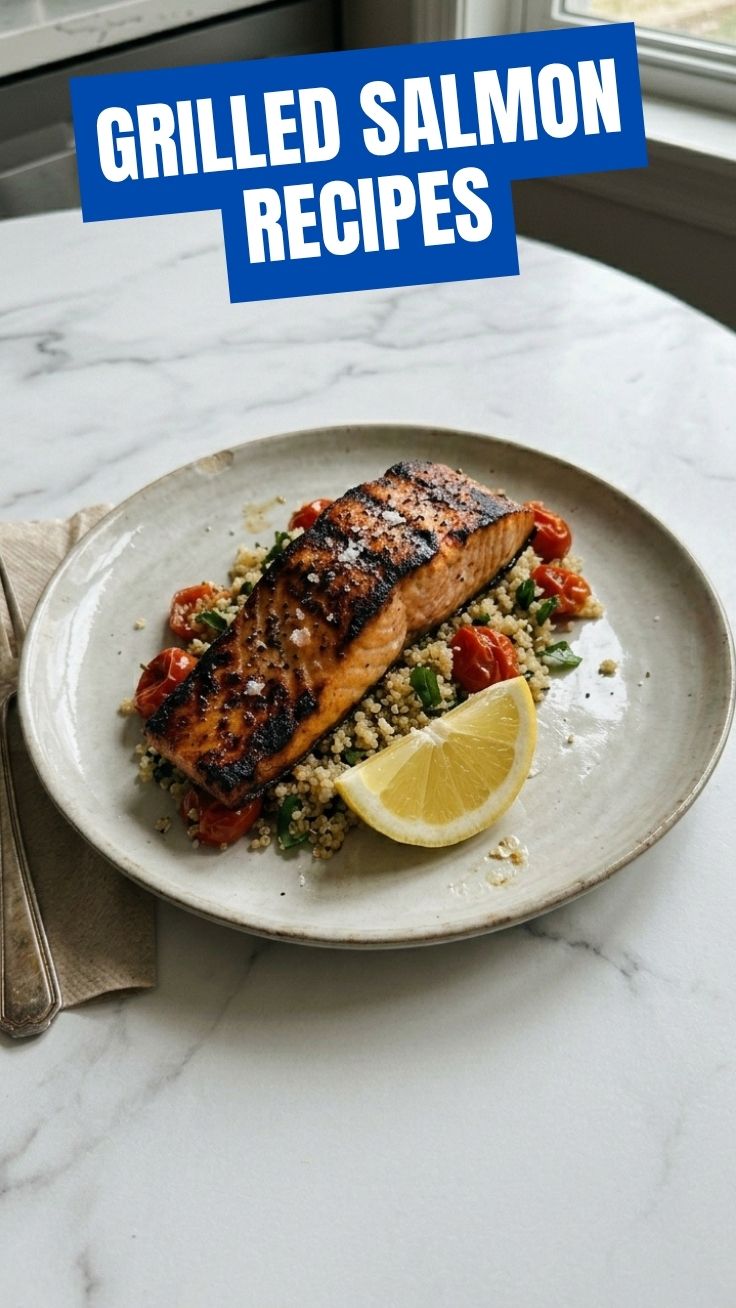
– Prep time: 15 minutes (pat dry fish, mix marinade, let rest)
– Marinating time: 15-30 minutes (optional, but recommended for deeper flavor)
– Grill time: 8-12 minutes total (4-6 minutes per side, depending on thickness)
– Resting time: 3-5 minutes off the grill (allows juices to redistribute)
Pro tip: If your fillets are thicker than 1 inch, increase grilling time by 2 minutes per side. Thinner fillets (under 3/4 inch) cook faster—watch carefully to avoid overcooking.
—
Step-by-Step Instructions
Follow these steps for perfectly grilled salmon every time.
1. Prepare the fish: Rinse salmon fillets under cold water and pat bone-dry with paper towels. Removing moisture ensures a good sear. Season both sides with salt and pepper.
2. Make the marinade: In a small bowl, whisk olive oil, lemon juice (reserve zest for garnish), minced garlic, and Dijon mustard. Pour over salmon in a dish, turning to coat. Cover and refrigerate for 15-30 minutes. Do not exceed 30 minutes—the acid in lemon can “cook” the fish (ceviche effect) and make it mushy.
3. Preheat the grill: Clean grates with a wire brush, then oil them using a paper towel dipped in vegetable oil (use tongs to avoid burns). The oil prevents sticking.
4. Grill the salmon: Place fillets skin-side down (if using skin) on the hot grill. Close the lid and cook for 4-6 minutes without moving. When the skin lifts easily with a spatula, it’s ready to flip. Flip gently and cook another 4-5 minutes for medium (internal temp 130-135°F). For well-done, cook until 145°F.
5. Test for doneness: Use an instant-read thermometer inserted at the thickest part. Alternative test: The flesh should flake easily with a fork but still be moist inside.
6. Rest and serve: Transfer to a plate, tent loosely with foil, and let rest 3 minutes. Garnish with fresh dill or parsley and lemon zest. Pair with a side salad or roasted vegetables.
Temperature control: If your grill runs hot (over 450°F), move salmon to a cooler zone or reduce to medium heat. Burnt exterior with raw center is a common pitfall.
By following this method, you’ll master high protein grilled salmon recipes that rival any restaurant—and these healthy grilled salmon meals are perfect for weekday dinners or weekend entertaining.
—
Nutritional Benefits & Advantages
This dish isn’t just delicious—it’s a nutritional powerhouse. A 6-ounce serving of grilled salmon provides:
– 34-40 grams of protein: Complete protein with all essential amino acids, supporting muscle repair and satiety.
– Omega-3 fatty acids (2-3 grams): EPA and DHA reduce inflammation, support brain health, and lower heart disease risk.
– Vitamin D (over 100% RDI): Crucial for bone health and immune function.
– B vitamins (B12, B6, niacin): Boost energy metabolism.
– Selenium (50% RDI): An antioxidant that protects thyroid function.
Compared to grilled chicken, salmon offers more heart-healthy fats. And because it’s grilled (not fried), you avoid added oils. This makes it ideal for low-carb, keto, Mediterranean, and high-protein diets.
—
Tips, Variations & Cooking Advice
Flavor variations:
– Asian glaze: Replace Dijon with 2 tbsp soy sauce, 1 tbsp honey, and a dash of sesame oil.
– Herb crust: Mix 1/4 cup panko, 2 tbsp chopped parsley, and 1 tsp lemon zest; press onto fillets before grilling.
– Spicy rub: Add 1 tsp smoked paprika, 1/2 tsp cayenne, and 1/2 tsp cumin to the oil.
Alternative cooking methods:
– Indoor grill pan: Same technique but use medium-high heat and a well-oiled pan. Work in batches to avoid overcrowding.
– Oven-broil: Place salmon on a foil-lined baking sheet; broil 6 inches from heat for 6-8 minutes.
Dietary adaptations:
– Gluten-free: The recipe is naturally GF; double-check Dijon mustard labels (most are safe).
– Dairy-free: Naturally dairy-free; skip any butter-based finishes.
– Low-sodium: Use a salt-free seasoning blend or reduce salt to 1/4 tsp per fillet.
Portion changes: For meal prep, grill 4-6 fillets at once. Leftover salmon can be flaked into salads or wraps.
—
Common Mistakes to Avoid
1. Overcooking: Salmon dries out quickly. Pull it off the grill at 130°F (medium) or 140°F (medium-well). Carryover cooking adds 5°F while resting.
2. Skipping the oil on grates: Sticking ruins presentation and tears the fish. Always oil grates just before placing salmon.
3. Flipping too early: Let the fish develop a crust. If it resists flipping, wait another 30 seconds.
4. Marinating too long: Over 30 minutes in acidic marinade turns salmon mushy. Set a timer!
5. Using cold fish: Let fillets sit at room temperature for 10 minutes before grilling for even cooking.
—
Storage & Meal Prep Tips
– Refrigeration: Store cooled salmon in an airtight container for up to 3 days. Place a paper towel in the container to absorb moisture.
– Freezing: Wrap individually in plastic wrap, then foil, and freeze for up to 3 months. Thaw overnight in the fridge.
– Reheating: Avoid microwave (dries out fish). Instead, warm in a 300°F oven for 8-10 minutes, or reheat gently in a skillet with a splash of water and covered lid for 3-4 minutes.
– Meal prep: Grill extra fillets on Sunday; flake over salads, grain bowls, or tacos all week.
—
Conclusion
You’ve now unlocked the secrets to perfectly grilled salmon—moist, flavorful, and packed with protein. Whether you’re following high protein grilled salmon recipes to fuel your fitness goals or seeking healthy grilled salmon meals for your family, this recipe delivers every time. The combination of simple ingredients, precise cooking temps, and smart techniques guarantees success. So fire up the grill, invite a friend over, and show off your new skills. Tag your creation on social media or drop a comment below—we’d love to hear how it turned out!
—
FAQs
1. Can I use frozen salmon fillets?
Yes! Thaw completely in the refrigerator overnight (never microwave). Pat dry thoroughly before marinating—frozen fish holds more moisture, which can inhibit searing.
2. How do I know when the salmon is done without a thermometer?
Use the “flake test”: Insert a sharp knife into the thickest part and twist gently. If the flesh separates easily and is opaque throughout, it’s done. The center should still look slightly translucent if you prefer medium.
3. What if my salmon sticks to the grill?
Patience! Let it cook undisturbed for 4-5 minutes. If it still sticks, gently slide a fish spatula under the skin. Next time, oil the grates more thoroughly and ensure the grill is hot before adding the fish.
4. Can I make this recipe dairy-free and gluten-free?
Absolutely. The base recipe contains no dairy. For GF, verify your Dijon mustard (most brands are GF, but some may contain gluten-free vinegar). Serve with a quinoa or rice side.
5. How can I add more flavor without extra calories?
Use a dry rub of smoked paprika, garlic powder, onion powder, and cumin. Or finish with a squeeze of fresh lemon juice and fresh herbs—zero calories, maximum impact.
How to grow 5 high protein grilled salmon recipes
Ingredients
Equipment
Method
- Preheat your grill to medium-high heat and lightly oil the grates.
- Pat the salmon fillets dry with paper towels.
- Season salmon with olive oil, salt, pepper, lemon slices, fresh dill, and garlic powder.
- Grill for 4-6 minutes per side, or until cooked through.
- Whisk together sriracha sauce, honey, and lime juice; brush onto salmon.
- Grill for 4-6 minutes per side, or until cooked through.
- Combine Parmesan cheese, minced garlic, and fresh parsley; press onto salmon.
- Grill for 4-6 minutes per side, or until cooked through.
- Mix soy sauce, honey, and grated ginger; marinate salmon for 15 minutes.
- Grill for 4-6 minutes per side, or until cooked through.
- Rub salmon with paprika, onion powder, cayenne pepper, and thyme.
- Grill for 4-6 minutes per side, or until cooked through.