Delicious and Nutritious: Mastering healthy salmon summer recipes
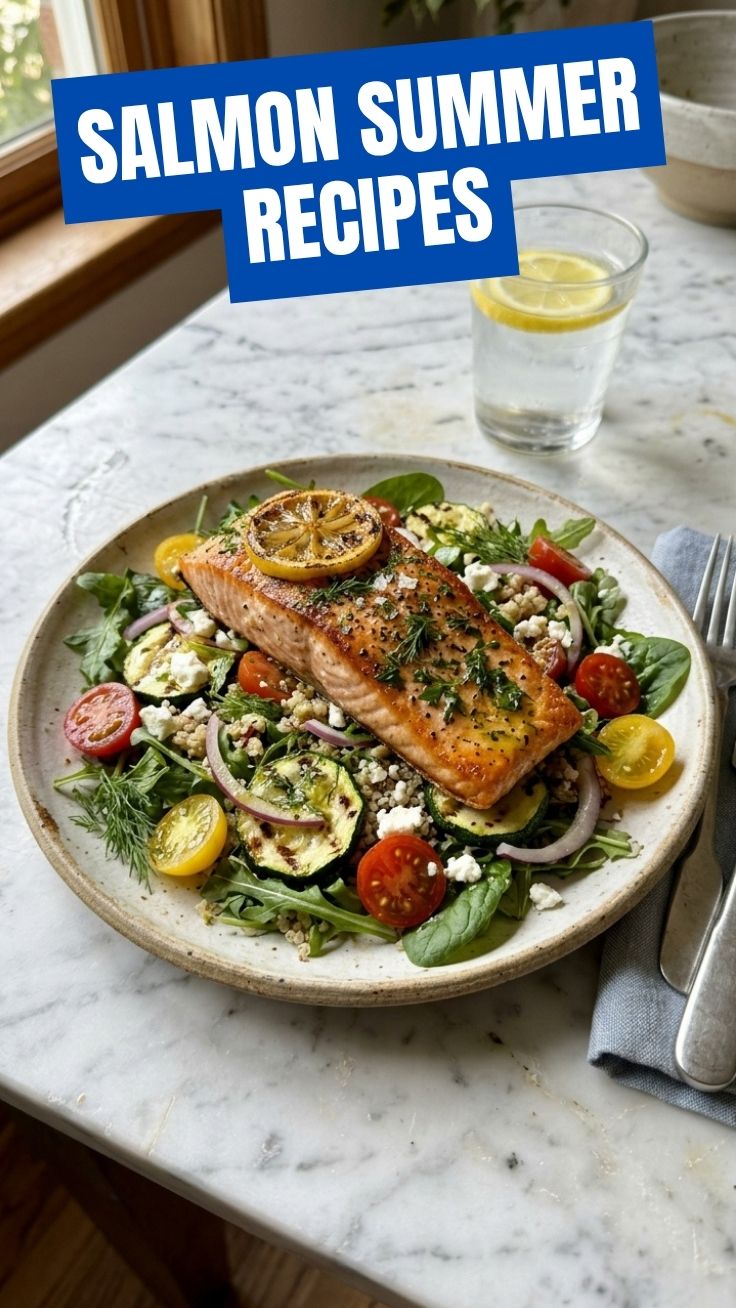
Are you tired of dry, flavorless salmon that leaves you feeling unsatisfied? Imagine a perfectly seared fillet with a crispy skin, flaky interior, and a vibrant side of fresh vegetables that captures the essence of summer. Preparing this dish at home isn’t just about saving money—it’s about taking control of your health, customizing flavors to your palate, and enjoying a restaurant-quality meal in your own kitchen. When creating healthy salmon summer recipes, the key is balancing omega-3-rich protein with seasonal produce for a light yet satisfying meal. A perfect summer salmon salad can be a total game-changer for warm-weather dining.
Ingredients & Kitchen Tools
Ingredients
– Fresh salmon fillets (6 oz each): Look for bright, firm flesh with no fishy odor. Wild-caught is preferred for flavor and sustainability.
– Extra-virgin olive oil: Use for searing and dressing; it adds healthy fats and richness.
– Lemon juice and zest: Brightens the dish and balances salmon’s natural oils.
– Garlic cloves: Minced for a fragrant, savory base.
– Dijon mustard: Adds tang and helps create a glaze.
– Fresh dill or parsley: Herbs elevate the flavor; dill pairs exceptionally well with salmon.
– Mixed greens or arugula: For the base of your summer salmon salad.
– Cherry tomatoes and cucumber: Provide crunch and sweetness.
– Salt and black pepper: Essential for seasoning—don’t skip quality sea salt.
Kitchen Tools
– Non-stick skillet or cast-iron pan: Ensures even cooking and crispy skin.
– Fish spatula: Thin and flexible for flipping without breaking the fillet.
– Cutting board and chef’s knife: For chopping vegetables and herbs.
– Mixing bowls: For dressing and salad assembly.
– Instant-read thermometer: Crucial for precise doneness (125°F for medium-rare).
– Tongs: For handling salmon and tossing greens.
Optional Substitutions
– Swap salmon for trout or arctic char for a similar omega-3 profile.
– Use avocado oil for higher smoke point when searing.
– Replace greens with spinach or kale for extra nutrients.
– Substitute feta cheese for dairy-free cheese or omit entirely.
Prep Time & Cooking Schedule
– Prep time: 15 minutes (washing, chopping, seasoning)
– Cooking time: 10-12 minutes (searing or grilling)
– Resting time: 5 minutes (critical for juiciness)
– Total time: 30 minutes
Plan ahead: Let salmon sit at room temperature for 10 minutes before cooking to ensure even heat distribution. If marinating, allow 15-20 minutes—any longer can break down the flesh.
Step-by-Step Instructions
1. Prepare the salmon: Pat fillets dry with paper towels to remove excess moisture. Season both sides with salt and pepper.
2. Make the dressing: Whisk together 3 tbsp olive oil, juice of 1 lemon, 1 tsp Dijon mustard, and minced garlic. Set aside half for cooking, half for salad.
3. Sear the salmon: Heat 1 tbsp oil in a non-stick skillet over medium-high heat until shimmering. Place salmon skin-side down and press gently with a spatula. Cook for 4-5 minutes without moving, until skin is golden and crispy.
4. Finish cooking: Flip fillets and cook for an additional 2-3 minutes for medium (125°F internal). For well-done, add 1-2 minutes more. Drizzle with reserved lemon-mustard sauce during the last minute.
5. Assemble the healthy salmon summer recipes base: Toss mixed greens with cherry tomatoes, cucumber slices, and fresh dill. Drizzle with remaining dressing and toss gently.
6. Combine and serve: Place salmon fillet on the bed of salad. Add a final squeeze of lemon. Serve immediately while salmon is warm. This summer salmon salad is best enjoyed fresh to preserve texture.
Tip: For perfect flakiness, remove salmon from heat when it’s about 5°F below your target temperature—it will continue cooking while resting.
Nutritional Benefits & Advantages
Salmon is a powerhouse of omega-3 fatty acids EPA and DHA, which support heart health, reduce inflammation, and improve brain function. A single 6-ounce serving provides over 50% of your daily vitamin D needs and is rich in B vitamins, selenium, and high-quality protein (about 40 grams). The fresh vegetables in this dish add fiber, vitamins A and C, and antioxidants like lycopene from tomatoes. Using olive oil adds monounsaturated fats that help lower bad cholesterol. This meal is naturally gluten-free, low in carbohydrates, and supports weight management due to its satiating protein and healthy fat profile. Compared to fried foods or heavy pasta dishes, this light-yet-substantial meal keeps blood sugar stable and energy levels high—perfect for active summer days.
Tips Variations & Cooking Advice
Flavor Variations
– Asian twist: Replace lemon with soy sauce, ginger, and sesame oil. Top with sesame seeds and sliced scallions.
– Mediterranean vibe: Use oregano, olives, and roasted red peppers. Add crumbled feta cheese.
– Spicy kick: Rub salmon with cayenne, smoked paprika, and cumin before searing.
Ingredient Swaps
– Replace cucumber with grilled zucchini or bell peppers for a smoky flavor.
– Use quinoa instead of greens for a heartier salad.
– Try honey instead of Dijon for a sweeter glaze.
Dietary Adaptations
– Dairy-free: Omit cheese and ensure dressing uses only oil and vinegar.
– Low-FODMAP: Remove garlic and onion; use garlic-infused oil instead.
– Keto-friendly: Increase avocado and olive oil portions; skip tomatoes if limiting carbs.
Alternative Cooking Methods
– Grilling: Oil the grates and cook over medium heat for 4-5 minutes per side.
– Baking: Cook at 400°F for 12-15 minutes in a foil packet to lock in moisture.
– Air fryer: Cook at 375°F for 8-10 minutes for a crispy exterior without oil.
Common Mistakes to Avoid
1. Not drying the skin: Moisture prevents crisping. Always pat dry thoroughly.
2. Overcooking: Salmon continues cooking after heat is removed. Use a thermometer to avoid dry fish.
3. Skipping the resting period: Letting salmon rest for 5 minutes redistributes juices, preventing a soggy texture.
4. Overcrowding the pan: To keep artificial steam from building up, cook no more than two fillets at a time.
5. Using old salmon: Fresh fillets should be used within 1-2 days. Smell test: fresh salmon smells like the ocean, not fishy.
6. Not seasoning the skin: Salt directly on the skin enhances crispiness. Do this just before cooking to avoid drawing out moisture.
Storage & Meal Prep Tips
– Refrigeration: Store leftover salmon and salad separately in airtight containers. Consume within 2 days for best quality.
– Freezing: Cooked salmon freezes well for up to 1 month. Wrap tightly in plastic wrap, then foil. The salad greens should not be frozen.
– Reheating: For salmon, microwave on low power in 30-second bursts until warm (125°F). For best texture, reheat in a skillet with a splash of water or broth over medium heat for 2-3 minutes. Avoid overcooking.
– Meal prep: Cook salmon ahead and store in the fridge. Assemble fresh salad greens and dressing separately each day. Combine just before serving to keep greens crisp.
Conclusion
Mastering these healthy salmon summer recipes is about more than just following steps—it’s about embracing fresh flavors, nutrient-dense ingredients, and techniques that transform simple ingredients into something extraordinary. A well-crafted summer salmon salad can become a weekly staple that’s both satisfying and good for you. Whether you’re cooking for your family or impressing guests, this dish delivers on taste, texture, and health benefits. Try it tonight—your taste buds and your body will thank you. Share your creation in the comments or tag us on social media to show off your culinary success!
FAQs
Q: Can I use frozen salmon for this recipe?
A: Yes, but thaw it completely in the refrigerator overnight and pat dry thoroughly to remove excess moisture. Frozen salmon may be slightly less firm but still works well.
Q: How do I prevent the salmon from sticking to the pan?
A: Ensure the pan is hot before adding oil, and use a non-stick skillet or well-seasoned cast-iron. Let the skin cook undisturbed for 4-5 minutes before trying to flip—it will release naturally when ready.
Q: Can I make this recipe ahead of time for a party?
A: The salmon can be cooked up to 2 days ahead and stored in the fridge. Keep the salad elements separate and assemble just before serving to maintain freshness and texture.
Q: What if I don’t have fresh herbs?
A: Dried herbs work but use only 1/3 of the amount since they’re more concentrated. Or try a pre-made herb blend like Herbes de Provence for a different flavor profile.
Q: How can I make the salad more filling?
A: Add cooked quinoa, farro, or chickpeas for extra protein and fiber. Avocado slices or toasted nuts (like almonds or walnuts) also boost satiety and healthy fats.
Best way to grow 3 healthy salmon summer recipes
Ingredients
Equipment
Method
- Set up a suitable aquatic environment with clean water and proper filtration to simulate a natural salmon habitat.
- Introduce salmon fingerlings into the prepared environment and ensure consistent water quality and temperature.
- Feed the salmon a high-quality fish food daily, monitoring their growth and health.
- Maintain optimal conditions for several months until the salmon reach a harvestable size.
- Preheat your grill to medium-high heat and lightly oil the grates.
- Mix olive oil, lemon juice, chopped dill, salt, and pepper in a small bowl.
- Brush the salmon fillets with the lemon-herb mixture.
- Grill the salmon for 4-6 minutes per side, or until cooked through and flaky.
- Preheat your oven to 400°F (200°C) and line a baking sheet with parchment paper.
- Toss asparagus spears with olive oil, minced garlic, salt, and pepper.
- Place salmon fillets and asparagus on the prepared baking sheet.
- Bake for 12-15 minutes, or until salmon is cooked through and asparagus is tender-crisp.
- Flake cooked salmon into a medium bowl, removing any skin or bones.
- Add diced avocado, halved cherry tomatoes, and thinly sliced red onion to the bowl.
- In a small bowl, whisk together lime juice, chopped cilantro, salt, and pepper.
- Pour the dressing over the salmon mixture and gently toss to combine.