Ingredients
Equipment
Method
Salmon Cultivation Steps
- Set up a suitable aquatic environment with clean water and proper filtration to simulate a natural salmon habitat.
- Introduce salmon fingerlings into the prepared environment and ensure consistent water quality and temperature.
- Feed the salmon a high-quality fish food daily, monitoring their growth and health.
- Maintain optimal conditions for several months until the salmon reach a harvestable size.
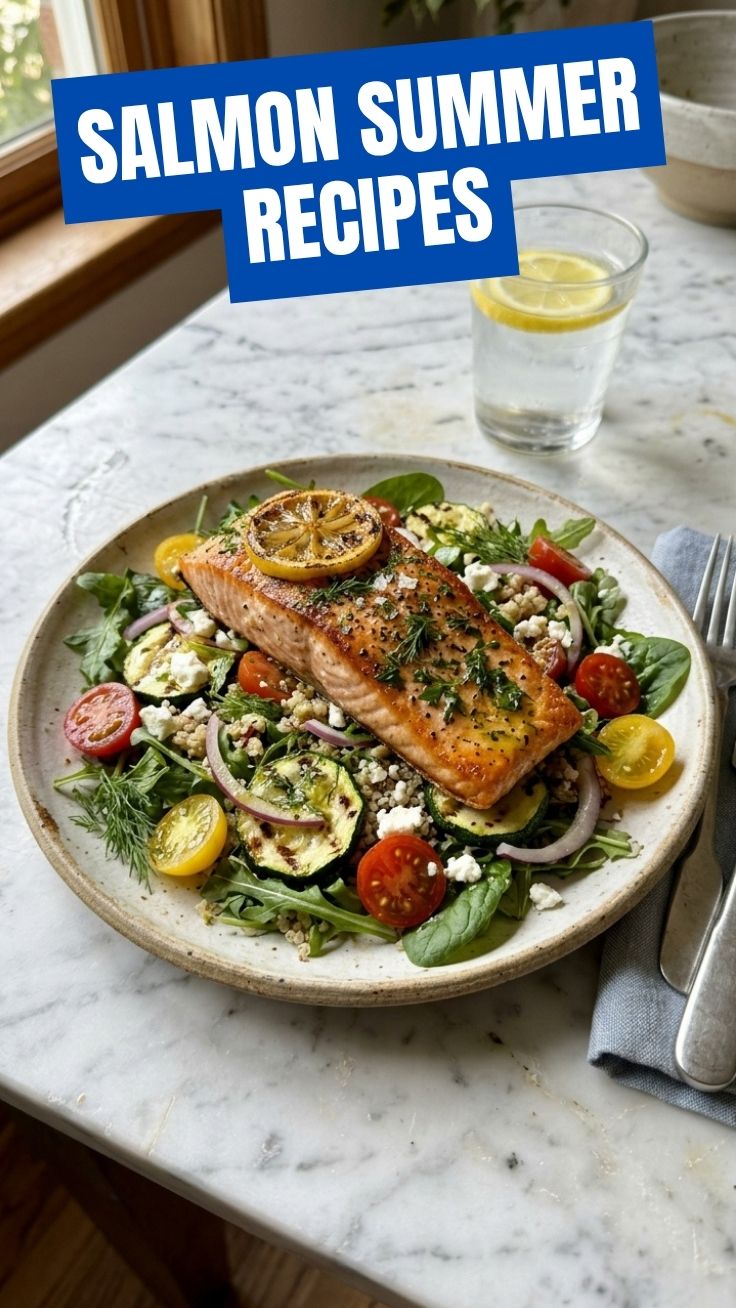
Recipe 1: Grilled Lemon Herb Salmon
- Preheat your grill to medium-high heat and lightly oil the grates.
- Mix olive oil, lemon juice, chopped dill, salt, and pepper in a small bowl.
- Brush the salmon fillets with the lemon-herb mixture.
- Grill the salmon for 4-6 minutes per side, or until cooked through and flaky.
Recipe 2: Baked Salmon with Asparagus
- Preheat your oven to 400°F (200°C) and line a baking sheet with parchment paper.
- Toss asparagus spears with olive oil, minced garlic, salt, and pepper.
- Place salmon fillets and asparagus on the prepared baking sheet.
- Bake for 12-15 minutes, or until salmon is cooked through and asparagus is tender-crisp.
Recipe 3: Salmon Salad with Avocado
- Flake cooked salmon into a medium bowl, removing any skin or bones.
- Add diced avocado, halved cherry tomatoes, and thinly sliced red onion to the bowl.
- In a small bowl, whisk together lime juice, chopped cilantro, salt, and pepper.
- Pour the dressing over the salmon mixture and gently toss to combine.
Notes
For best results in salmon cultivation, regularly monitor water parameters like pH and ammonia levels to ensure a healthy environment. When preparing the recipes, adjust cooking times based on the thickness of your salmon fillets to prevent overcooking. Fresh herbs always enhance the flavor, so don't hesitate to use more if you like. Enjoy your homegrown and freshly prepared salmon meals!