How to Make Perfect Chicken Piccata at Home: A Zesty Italian Classic
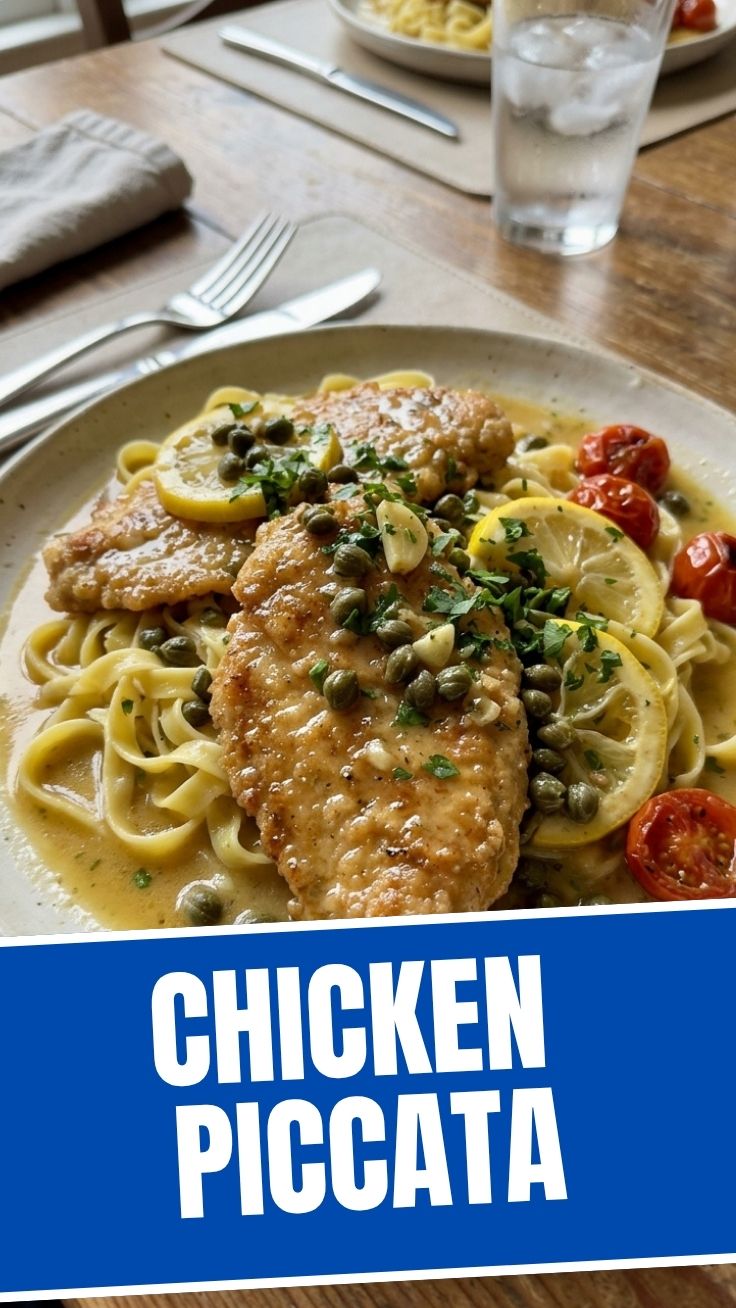
Have you ever craved that bright, tangy flavor of a classic Chicken Piccata? This beloved dish, rooted in traditional Italian recipes, combines pan-seared chicken with a luscious lemon‑caper sauce. Preparing it at home not only saves money but also lets you control the ingredients for a fresher, healthier meal. In this guide, we’ll walk through every step, share pro tips, and help you avoid common pitfalls—so you can serve a restaurant‑quality Chicken Piccata right from your own kitchen.
Ingredients & Kitchen Tools
For the chicken:
– 2 boneless, skinless chicken breasts (about 1½ lbs total) – pounded to even thickness for uniform cooking.
– ½ cup all‑purpose flour – for dredging; use gluten‑free blend if needed.
– 2 large eggs – beaten, to create a light coating.
– ½ teaspoon salt and ¼ teaspoon black pepper – adjust to taste.
– 2 tablespoons olive oil – for searing; use a high smoke‑point oil.
For the sauce:
– ¼ cup fresh lemon juice (about 2 lemons) – avoid bottled juice for best flavor.
– ½ cup low‑sodium chicken broth – enhances savory notes.
– 3 tablespoons capers, drained – the signature briny pop.
– 2 tablespoons unsalted butter – adds richness and emulsifies the sauce.
– 2 tablespoons fresh parsley, chopped – for garnish.
Kitchen tools:
– Meat mallet or rolling pin – for pounding chicken.
– Shallow dishes (for flour and egg mix).
– Large skillet (stainless steel or non‑stick).
– Tongs or slotted spatula.
– Measuring spoons and cups.
Optional substitutions:
– Chicken thighs – juicier but may need longer cook time.
– Arrowroot or cornstarch instead of flour – for gluten‑free coating.
– Vegan butter and vegetable broth – dairy‑free adaptation.
Prep Time & Cooking Schedule
| Task | Time |
|——|——|
| Prep (pound, season, dredge) | 10 minutes |
| Cook chicken | 6‑8 minutes total (3‑4 min per side) |
| Make sauce | 5 minutes |
| Resting before serving | 2‑3 minutes |
| Total active time | ~25 minutes |
Plan to serve immediately after resting—this dish doesn’t hold well for long. If you’re making sides (pasta, rice, or steamed veggies), start them before you cook the chicken.
Step‑by‑Step Instructions
1. Prepare the chicken. Place each breast between two sheets of plastic wrap and pound to ½‑inch thickness. Season both sides with salt and pepper. Set up a dredging station: flour in one shallow dish, beaten eggs in another.
2. Coat and sear. Heat olive oil in a large skillet over medium‑high heat. Dredge each chicken piece first in flour (shake off excess), then in egg, letting excess drip off. Immediately place in the hot skillet. Cook 3–4 minutes per side until golden brown and internal temperature reaches 165°F (74°C). Transfer to a plate; tent with foil.
3. Build the sauce. Reduce heat to medium. Add lemon juice to the skillet, scraping up browned bits with a wooden spoon. Whisk in chicken broth and capers. Let simmer for 1 minute, then stir in butter until melted and glossy.
4. Combine and serve. Return chicken to the skillet, spooning sauce over each piece. Cook 1 minute to reheat. Garnish with parsley.
Chef’s note: The hallmark of authentic Italian recipes is a balanced sauce—not too sour, not too salty. Adjust lemon and capers to your palate. And remember, the perfect Chicken Piccata relies on a hot pan and quick cooking to keep the meat tender.
Nutritional Benefits & Advantages
Chicken Piccata is surprisingly light despite its rich flavor. A typical serving (one breast with sauce) contains:
– ~340 calories
– 35g protein – excellent for muscle repair.
– 15g fat – mostly from olive oil and butter (moderate).
– 5g carbs – low‑carb friendly.
– Vitamin C from lemon juice – supports immunity.
– Capers provide antioxidants and anti‑inflammatory compounds.
Compared to fried chicken or heavy cream‑based dishes, this pan‑seared method keeps fat in check while delivering bold taste. Pair with steamed greens or a side salad for a balanced, satisfying meal.
Tips, Variations & Cooking Advice
– Flavor twist: Add 1 minced garlic clove to the sauce after deglazing, or a pinch of red pepper flakes for heat.
– Herb swap: Replace parsley with fresh basil or oregano for a different aromatic profile.
– Alternative methods: Oven‑bake the chicken at 400°F for 12‑15 minutes after searing, or try an air fryer (375°F, 8‑10 minutes). Finish with the stovetop sauce.
– Dietary adaptations: For gluten‑free, use almond flour or a gluten‑free all‑purpose blend for dredging. For dairy‑free, substitute butter with a vegan stick and use vegetable broth.
– Portion changes: Halve the recipe for two people, or double it for a dinner party—just cook in batches to avoid overcrowding the pan.
Common Mistakes to Avoid
1. Overcooking the chicken. Use a meat thermometer; pull it at 165°F. Overcooked breasts become dry and rubbery.
2. Soggy coating. If the pan isn’t hot enough, the egg wash won’t crisp. Wait until oil shimmers before adding the chicken.
3. Sauce too thin or too salty. Simmer the sauce 2–3 minutes longer to reduce, or add a splash of broth if it’s too salty from capers.
4. Skipping the rest period. Let the chicken rest 2–3 minutes after searing so juices redistribute—don’t cut into it immediately.
5. Using old capers. Fresh, brined capers are essential; dry‑packed ones can be too salty. Rinse if needed.
Storage & Meal Prep Tips
– Refrigeration: Place cooled chicken and sauce in an airtight container. Consume within 3 days.
– Freezing: Avoid freezing the sauce (capers can become rubbery). Freeze cooked chicken separately for up to 2 months. Thaw overnight in the fridge, then reheat in a skillet with fresh lemon juice and butter.
– Reheating: Warm gently in a covered skillet over low heat with 1 tablespoon of broth or water to revive the sauce. Microwave not recommended—it toughens the coating.
– Meal prep: Cook the chicken breasts ahead, then whip up the sauce fresh when serving for the best texture.
Conclusion
From the bright lemon kick to the briny pop of capers, this Chicken Piccata brings together the best of classic Italian recipes in one skillet. It’s quick enough for a weeknight dinner, yet elegant enough to impress guests. The home‑cooked version gives you total control over freshness and seasoning—plus, the aroma alone makes it worth the effort. Give this recipe a try, tag us in your results, and explore other Mediterranean‑inspired dishes to expand your repertoire.
FAQs
1. Can I use chicken thighs instead of breasts?
Yes. Boneless, skinless thighs work well—they’re juicier and more forgiving. Adjust cook time to about 5 minutes per side or until internal temp reaches 175°F.
2. My sauce turned out too sour. How do I fix it?
Add a pinch of sugar or a teaspoon of honey to balance the acidity. For creaminess, stir in 1 tablespoon of heavy cream or a pat more butter.
3. Is Chicken Piccata traditionally served with pasta?
Classically, it’s served with angel hair pasta or spaghetti, but it’s also excellent over rice, quinoa, or alongside sautéed spinach.
4. Can I make this recipe dairy‑free?
Absolutely. Use vegan butter (e.g., Miyoko’s) and vegetable broth. The capers and lemon provide plenty of flavor without dairy.
5. Why did my breading fall off during cooking?
Most likely because the oil wasn’t hot enough, or the chicken was too wet before dredging. Pat the chicken dry first and ensure the pan is sizzling before adding.
Proven way to grow: Chicken Piccata in 5 steps
Ingredients
Equipment
Method
- Prepare the chicken by slicing breasts thinly, then season with salt and pepper.
- Dredge each chicken piece in flour, ensuring full coverage, and set aside.
- Heat butter and olive oil in a large skillet over medium-high heat until shimmering.
- Cook chicken in the hot skillet for 3-4 minutes per side until golden brown and cooked through, then remove and keep warm.
- Deglaze the skillet with chicken broth, then add lemon juice and capers, scraping up any browned bits.
- Return chicken to the skillet, simmer for a few minutes to coat, then garnish with fresh parsley and serve immediately.