Unlocking the Secret to Perfect Chewy Cookies: Your Ultimate Guide!
Have you ever bitten into a cookie, expecting that delightful chew, only to find a dry, crumbly disappointment? You’re not alone! Many home bakers chase the elusive dream of perfectly Chewy Cookies. But achieving that ideal soft, pliable texture doesn’t have to be a mystery. In this comprehensive guide, we’ll walk you through the precise steps to bake the most irresistible Chewy Cookies right in your own kitchen, complete with expert tips and tricks. Preparing these delectable cookie recipes at home is not only incredibly rewarding but also allows you to control the quality of ingredients, ensuring a healthier and more flavorful treat. Say goodbye to store-bought mediocrity and hello to homemade bliss!
Ingredients & Kitchen Tools
To embark on our journey to chewy cookie perfection, gather these essential items:
- 1 ½ cups All-Purpose Flour: The structural backbone of our cookies. Sifting it ensures a lighter texture.
- ½ teaspoon Baking Soda: Our leavening agent, contributing to that desirable rise and chew.
- ¼ teaspoon Salt: Enhances all the flavors and balances the sweetness.
- ½ cup Unsalted Butter (1 stick), softened: Provides richness and helps with spread. Softened, not melted, is key for emulsification.
- ¾ cup Granulated Sugar: Adds sweetness and helps create a tender crumb.
- ½ cup Packed Light Brown Sugar: Crucial for chewiness due to its molasses content.
- 1 Large Egg: Binds the ingredients and adds moisture.
- 1 teaspoon Vanilla Extract: Essential for classic cookie flavor. Choose pure vanilla for best results.
- 1 cup Chocolate Chips (or your preferred mix-ins): The star of our chewy indulgence. Semisweet, milk, or even white chocolate work beautifully.
- Optional Substitutions: Swap half the chocolate chips for chopped nuts (walnuts, pecans), dried fruit (cranberries, cherries), or sprinkles for variety.
Kitchen Tools:
- Large mixing bowls: For combining wet and dry ingredients.
- Electric mixer (stand or hand-held): Makes creaming butter and sugar much easier.
- Rubber spatula: For scraping down the sides of the bowl and folding.
- Measuring cups and spoons: For precise ingredient measurements.
- Baking sheets: Essential for baking the cookies.
- Parchment paper or silicone baking mats: Prevents sticking and ensures even baking.
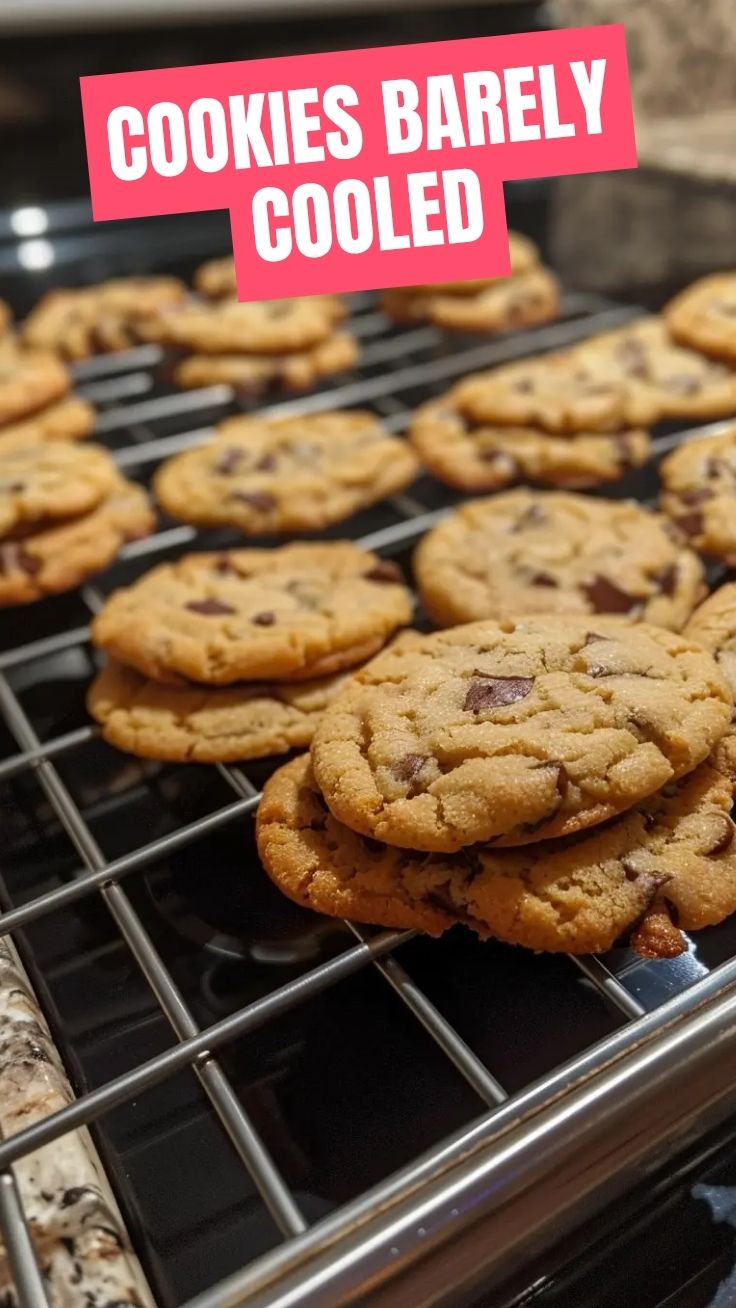
- Wire cooling rack: For cooling the cookies after baking.
- Cookie scoop (optional, but recommended): For uniform cookie size, leading to even baking.
Prep Time & Cooking Schedule
- Prep time: 15 minutes
- Chill time: 30 minutes (minimum, but longer is better for chewiness!)
- Bake time: 10-12 minutes per batch
- Cooling time: 10 minutes
This recipe requires a short chilling period, which is vital for achieving that perfect chewy texture and preventing excessive spreading. Plan to start approximately an hour before you want to enjoy your freshly baked cookies. The chilling time allows the butter to re-solidify and the flour to fully hydrate, resulting in a more structured and satisfyingly chewy cookie.
Step-by-Step Instructions
1. Preparation (Dry Ingredients): In a medium bowl, whisk together the all-purpose flour, baking soda, and salt. Set aside. This ensures all dry ingredients are evenly distributed.
2. Creaming (Wet Ingredients): In a large mixing bowl, using an electric mixer, cream together the softened unsalted butter, granulated sugar, and packed light brown sugar on medium speed until light and fluffy, about 2-3 minutes. This aerates the mixture, contributing to a softer texture.
3. Adding Egg & Vanilla: Beat in the large egg until just combined, then add the vanilla extract and mix until fully incorporated. Avoid overmixing once the egg is added to prevent toughening.
4. Combining Wet and Dry: Gradually add the dry ingredients to the wet ingredients, mixing on low speed until just combined. Be careful not to overmix the dough once flour is added, as this can develop the gluten too much, leading to tough cookies.
5. Fold in Mix-ins: Gently fold in the chocolate chips (or your chosen mix-ins) with a rubber spatula until evenly distributed throughout the dough.
6. Chill the Dough: Cover the bowl with plastic wrap and refrigerate for at least 30 minutes. For truly amazing Chewy Cookies, chill for 1-2 hours, or even overnight. This step is non-negotiable for superior texture!
7. Preheat & Prep Baking Sheets: Preheat your oven to 375°F (190°C). Line baking sheets with parchment paper or silicone baking mats.
8. Scoop & Bake: Scoop rounded tablespoons of dough onto the prepared baking sheets, leaving about 2 inches between each cookie. Bake for 10-12 minutes, or until the edges are golden brown and the centers are still slightly soft. This yields beautifully soft and cookie recipes with perfect chew.
9. Cool: Remove from the oven and let the cookies cool on the baking sheet for 5 minutes before transferring them to a wire rack to cool completely. This allows them to set and prevents them from breaking.
Nutritional Benefits & Advantages
These Chewy Cookies offer more than just deliciousness! While they are a treat, using quality ingredients means you’re consuming fewer artificial additives than store-bought versions. Making them at home allows you to control sugar levels and incorporate higher-quality chocolate, which can contain antioxidants. For those seeking alternatives, whole wheat pastry flour can add fiber, and dark chocolate offers a boost of beneficial compounds. Plus, the joy of baking itself is a wonderful mood enhancer!
Tips, Variations, & Cooking Advice
- For Extra Chew: Use an extra egg yolk in addition to the whole egg. The fat from the yolk adds richness and promotes chewiness.
- Flavor Boost: Add a pinch of cinnamon or nutmeg to the dry ingredients for a warm, spiced variation. A sprinkle of sea salt on top of warm cookies enhances the chocolate flavor.
- Gluten-Free: Substitute all-purpose flour with a 1:1 gluten-free baking flour blend for a gluten-friendly version.
- Dairy-Free: Use a good quality plant-based butter substitute and dairy-free chocolate chips.
- Alternative Baking Methods: For a crispier edge with a chewy center, try baking at 350°F (175°C) for a minute or two longer.
Common Mistakes to Avoid
- Overmixing the Dough: Leads to dense, tough cookies. Mix only until ingredients are just combined.
- Not Chilling the Dough: Results in flat, overly spread cookies. Don’t skip the chill time!
- Overbaking: Causes dry, hard cookies. Remove them from the oven when the edges are golden, and the centers are still slightly soft. They will continue to bake from residual heat.
- Using Melted Butter: Softened butter creams better with sugar, creating a better texture. Melted butter can lead to greasy, flat cookies.
Storage & Meal Prep Tips
Store leftover Chewy Cookies in an airtight container at room temperature for up to 3-4 days. To maintain their chewiness, you can place a slice of bread in the container; the cookies will absorb moisture from the bread. You can also freeze baked cookies for up to 3 months. Thaw at room temperature or gently warm in a low oven for a “freshly baked” experience. For meal prepping, you can freeze scoops of raw dough. Place dough balls on a baking sheet, freeze until solid, then transfer to a freezer-safe bag. Bake from frozen, adding an extra minute or two to the baking time.
Conclusion
Mastering the art of genuinely Chewy Cookies is a culinary triumph that’s now within your reach. By understanding the role of each ingredient and adhering to these simple yet effective steps, you’ll consistently bake moist, delectable cookie recipes that everyone will rave about. So, gather your ingredients, preheat your oven, and prepare to delight your taste buds and impress your loved ones with these perfectly textured treats. Give this recipe a try, share your results, and let us know your favorite variations in the comments below! Happy baking!
FAQs
Q1: Why are my cookies not chewy?
A1: Common culprits include overbaking, not chilling the dough, or too little brown sugar. Ensure you follow the chill time and pull cookies when the centers are still slightly soft.
Q2: Can I substitute granulated sugar for brown sugar?
A2: While you can, it’s not recommended if you want truly chewy cookies. Brown sugar’s molasses content is key to achieving that soft, pliable texture.
Q3: How do I prevent my cookies from spreading too much?
A3: Ensure your butter is softened, not melted, and always chill your dough for at least 30 minutes. Additionally, make sure your baking soda is fresh, as it helps with rise.
Q4: Can I freeze the cookie dough?
A4: Yes! Scoop the dough into balls, place them on a baking sheet, and freeze until solid. Then transfer them to a freezer-safe bag for up to 3 months. Bake from frozen, adding an extra 1-2 minutes to the bake time.
Q5: What’s the best way to get uniform cookie sizes?
A5: Using a cookie scoop (or ice cream scoop) is the best way to ensure all your cookies are the same size, which promotes even baking.
7 Chewy Cookies
Ingredients
Equipment
Method
- Preheat oven to 375°F (190°C) and line a baking sheet with parchment paper.
- Whisk together flour, baking soda, and salt in a small bowl.
- In a separate large bowl, cream together softened butter, granulated sugar, and light brown sugar until light and fluffy.
- Beat in the egg and vanilla extract until well combined.
- Gradually add the dry ingredients to the wet ingredients, mixing until just combined, then fold in chocolate chips.
- Drop spoonfuls of dough onto the prepared baking sheet, spacing them evenly.
- Bake for 9-11 minutes, or until the edges are golden brown and the centers are still soft, then cool on a wire rack.