The Ultimate Lemon Ricotta Pasta: Creamy, Bright, and Surprisingly Simple
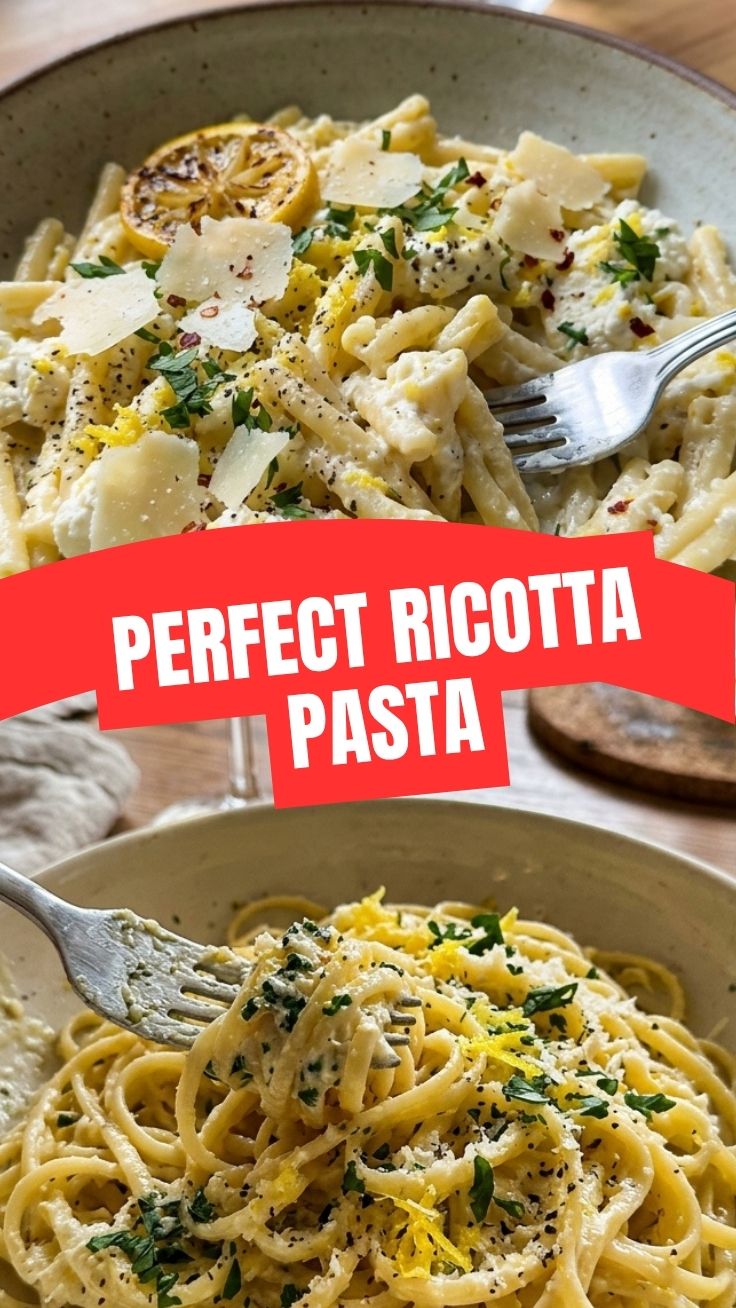
Have you ever craved a pasta dish that feels both indulgent and refreshing—something that tastes like restaurant-quality comfort food but comes together in under 20 minutes? That’s exactly what you get with this Lemon Ricotta Pasta. Why spend money on takeout when you can whip up a bowl of creamy, zesty perfection right in your own kitchen? This recipe is a game-changer for busy weeknights, and it’s one of the most versatile cheese pasta recipes you’ll ever encounter. The combination of creamy ricotta, bright lemon, and al dente pasta creates a harmony of flavors that’s both satisfying and light. Plus, it’s adaptable, budget-friendly, and requires minimal cleanup. Let’s dive into why this dish deserves a permanent spot in your cooking rotation.
Ingredients & Kitchen Tools
For the Pasta
– 12 oz pasta (penne, fettuccine, or spaghetti work best) – choose a shape that holds sauce well.
– 1 cup whole-milk ricotta – full-fat gives the creamiest texture; part-skim works but may be less lush.
– 1 large lemon (zest and juice) – zest adds intense citrus aroma; juice provides acidity.
– 3 tablespoons unsalted butter – adds richness; substitute olive oil for a dairy-free version.
– 2 cloves garlic (minced) – optional but boosts savory depth.
– ½ cup reserved pasta water – essential for thinning the sauce and helping it cling.
– ¼ cup grated Parmesan – adds saltiness and umami; vegetarian Parmesan or nutritional yeast works.
– Salt and black pepper – to taste.
– Fresh basil or parsley – for garnish.
Kitchen Tools
– Large pot (4–5 qt) for boiling pasta.
– Colander for draining.
– Large skillet or sauté pan (non-stick recommended).
– Microplane or zester for lemon zest.
– Citrus juicer or fork for lemon juice.
– Wooden spoon or tongs for tossing.
– Measuring cups and spoons.
Optional Substitutions
– Dairy-free: Use cashew ricotta and vegan butter.
– Gluten-free: Use gluten-free pasta (cook 1 minute less than package directions).
– Add protein: Toss in cooked chicken, shrimp, or white beans.
Prep Time & Cooking Schedule
– Prep time: 10 minutes (zest lemon, mince garlic, measure ingredients).
– Cook time: 12 minutes total (pasta boils while you prepare sauce).
– Resting time: 2–3 minutes after combining (allows flavors to meld).
Plan ahead: Since the pasta and sauce finish almost simultaneously, start boiling water just as you begin prepping. This way, the ricotta mixture stays warm and ready. If making ahead, undercook pasta by 1 minute to prevent mushiness during reheating.
Step-by-Step Instructions
1. Bring a large pot of salted water to a rolling boil. Add your pasta and cook according to package directions until al dente. Reserve 1 cup of pasta water before draining. Tip: Salt the water generously—it’s your only chance to season the pasta from within.
2. While pasta cooks, prepare the lemon ricotta sauce. In a large skillet over medium-low heat, melt butter. Add minced garlic and cook for 30 seconds until fragrant (do not brown). Remove from heat and stir in ricotta, lemon zest, and 2 tablespoons of lemon juice. Whisk until smooth. Texture cue: The mixture should be thick but spreadable—if too stiff, add a splash of reserved pasta water.
3. Drain the pasta (do not rinse) and add it directly to the skillet with the ricotta mixture. Toss gently with tongs, adding reserved pasta water ¼ cup at a time until the sauce coats each strand smoothly. You’ll likely use about ½ cup. Adjustment: For extra creaminess, add another tablespoon of butter or a splash of milk.
4. Remove from heat, then stir in Parmesan, salt, and pepper. Taste and adjust lemon or salt as needed. The key to perfect Lemon Ricotta Pasta is balancing richness with acidity—if it feels heavy, add another squeeze of lemon.
5. Garnish with fresh basil or parsley and serve immediately. This dish shines hot, when the ricotta is still silky.
Note: Many cheese pasta recipes rely on heavy cream, but this version uses ricotta for a lighter, airier texture. The ricotta’s natural sweetness pairs beautifully with the lemon’s brightness.
Nutritional Benefits & Advantages
This Lemon Ricotta Pasta is surprisingly nutritious compared to cream-based alternatives. Ricotta is a good source of protein and calcium, with about 14 grams of protein per cup. It’s also lower in fat than heavy cream, yet still delivers a luxurious mouthfeel. Lemon zest provides vitamin C and antioxidants, while garlic offers immune-boosting properties. A single serving contains roughly 400–500 calories (depending on pasta amount) and can be part of a balanced meal. For a higher protein version, add grilled chicken or chickpeas. The dish also works well as a base for vegetables like spinach or roasted asparagus, increasing fiber and micronutrients without overshadowing the star flavors.
Tips, Variations & Cooking Advice
– Flavor swap: Replace lemon with orange zest and juice for a sweeter, milder citrus note.
– Herb boost: Stir in fresh thyme or rosemary along with the garlic.
– Spice it up: Add red pepper flakes for a subtle kick.
– Dairy-free adaptation: Use vegan ricotta (cashew-based) and plant-based butter. The sauce may be slightly thinner, so add a tablespoon of cornstarch slurry if needed.
– Gluten-free version: Rice pasta works well; cook until just tender and use extra pasta water to help the sauce adhere.
– Portion changes: This recipe serves 4 as a main or 6 as a side. Halve it easily for two.
– Add vegetables: Sauté 2 cups of spinach or peas and fold in at the end for a one-dish meal.
Common Mistakes to Avoid
– Overcooking pasta. Al dente is crucial because the pasta continues cooking slightly when tossed with the hot sauce. Set a timer and test a minute before the package time.
– Using cold ricotta. Always bring ricotta to room temperature before mixing—cold ricotta creates a lumpy sauce that won’t emulsify.
– Skipping the pasta water. The starchy water is the secret weapon for a silky, cohesive sauce. Don’t substitute plain water or milk.
– Adding too much lemon juice at once. Acidity can overpower the ricotta. Start with 2 tablespoons, taste, then adjust.
– Rinsing pasta. Never rinse—the starch on the surface helps the sauce cling. If using gluten-free pasta, rinsing is even more detrimental.
Storage & Meal Prep Tips
– Refrigeration: Store leftovers in an airtight container for up to 3 days. The pasta will absorb some sauce, so add a splash of milk or water when reheating.
– Freezing: Not recommended because ricotta-based sauces can separate upon thawing. If you must freeze, undercook pasta by 2 minutes and freeze in a single layer; thaw overnight in the fridge and reheat with a little cream.
– Reheating: Use a skillet over medium-low heat with a tablespoon of reserved pasta water or broth. Stir gently until heated through. Microwave is faster but may create uneven texture—cover the bowl and reheat in 30-second bursts, stirring between.
– Meal prep tip: Cook pasta and make sauce separately, then combine only when serving. Store sauce in a jar and pasta in a zip-top bag. To serve, reheat sauce with a splash of water, then toss with reheated pasta.
Conclusion
You now have all the tools to create a restaurant-worthy Lemon Ricotta Pasta at home. This dish proves that simple ingredients can deliver extraordinary flavor—creamy ricotta, bright lemon, and perfectly cooked pasta come together in minutes. It’s one of those cheese pasta recipes that feels both familiar and exciting, ideal for cozy dinners or impressing guests. We encourage you to try it this week, customize it with your favorite add-ins, and share your results—tag us or leave a comment below. Happy cooking!
FAQs
1. Can I use cottage cheese instead of ricotta?
Yes, but blend it first for a smoother consistency. Cottage cheese is lower in fat, so the sauce may be less creamy and slightly grainier.
2. My sauce turned out too thick. How do I fix it?
Add warm pasta water or milk one tablespoon at a time, stirring until the desired consistency is reached. Remember that the sauce will thicken as it cools, so aim for slightly thinner than you want.
3. Can I make this dairy-free?
Absolutely. Use vegan ricotta (cashew or tofu-based) and plant-based butter. For Parmesan flavor, try nutritional yeast or a dairy-free Parmesan substitute.
4. What pasta shape works best?
Shapes with nooks and crannies—like penne, rigatoni, or shells—hold the sauce beautifully. Long strands like spaghetti or fettuccine also work; just toss well to coat.
5. How do I prevent the lemon ricotta sauce from curdling?
Keep the heat low after adding the ricotta, and avoid boiling. Curdling happens when dairy is overheated or combined with too much acid. Stir in lemon juice gradually and off the heat.
Lemon Ricotta Pasta
Ingredients
Equipment
Method
- Cook pasta according to package directions, reserving about 1/2 cup of pasta water before draining.
- In a large bowl, whisk together ricotta cheese, lemon juice, lemon zest, Parmesan cheese, olive oil, minced garlic, salt, and pepper.
- Add the cooked pasta to the ricotta mixture and toss to coat evenly. If the sauce is too thick, add reserved pasta water a tablespoon at a time until desired consistency is reached.
- Serve immediately, garnished with extra Parmesan cheese and fresh basil if desired.