Transform Your Dinner with This Garlic Shrimp Linguine with Spinach Recipe
Have you ever craved a restaurant-quality pasta dish but felt too tired to spend hours in the kitchen? Imagine twirling tender linguine coated in a fragrant garlic oil sauce, succulent shrimp, and fresh spinach—all ready in under 30 minutes. This is the magic of cooking Garlic Shrimp Linguine with Spinach at home. Not only do you control the quality of ingredients, but you also save money and time. For fans of simple yet bold Italian flavors, this recipe is a game-changer. It’s a riff on the classic Aglio e Olio, elevated with protein and greens. And if you’re looking for more weeknight inspiration, browse our collection of Pasta Recipes for quick, satisfying meals. Today, we’re diving deep into how to perfect this dish with Pasta Recipes that never disappoint.
—
Ingredients & Kitchen Tools
| Ingredient | Amount | Notes & Substitutions |
|————|——–|———————–|
| Linguine | 200 g (7 oz) | Substitute with spaghetti, fettuccine, or gluten-free pasta. |
| Shrimp (large, peeled) | 300 g (10 oz) | Use fresh or thawed frozen. Swap for chicken or tofu for a non-seafood version. |
| Fresh spinach | 100 g (3.5 oz) | Baby spinach works best; kale can be used with an extra minute of cooking. |
| Garlic cloves | 4–5, thinly sliced | Adjust to taste. Avoid pre-minced for best flavor. |
| Extra-virgin olive oil | 4 tbsp | Quality oil is crucial; use a fruity one. |
| Red pepper flakes | ½ tsp (or to taste) | Omit for mild version or use cayenne sparingly. |
| Lemon (zest and juice) | 1 lemon | Adds brightness; substitute with 1 tbsp white wine vinegar. |
| Salt and black pepper | To taste | Use sea salt for seasoning pasta water and dish. |
| Fresh parsley (optional) | 2 tbsp, chopped | For garnish. |
| Parmesan (optional) | For serving | Omit for dairy-free. |
Kitchen Tools: Large pot, colander, large skillet (12-inch), tongs, knife, cutting board, measuring spoons, zester.
—
Prep Time & Cooking Schedule
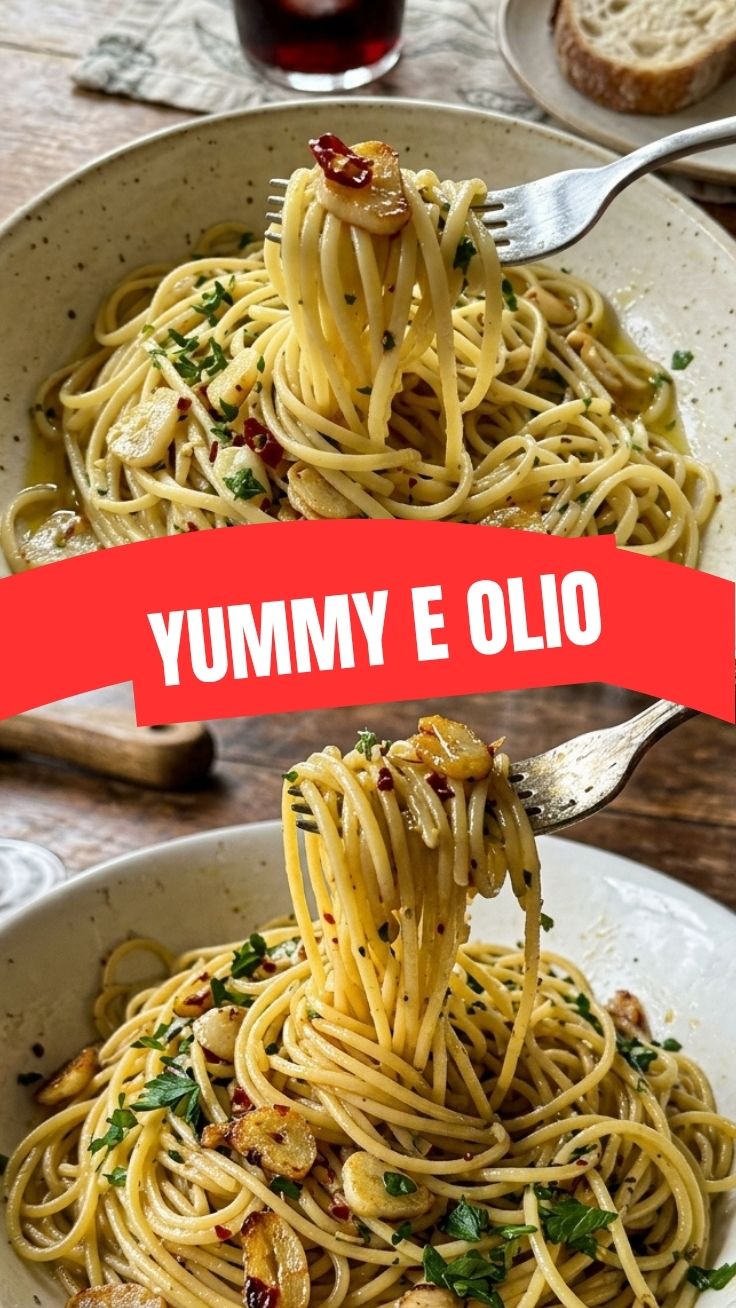
– Prep Time: 10 minutes (peel shrimp if needed, slice garlic, wash spinach, zest lemon).
– Cook Time: 15 minutes (includes boiling pasta and sautéing).
– Total Time: 25 minutes.
Planning Tip: Start heating the pasta water while you prep. By the time the water boils, your shrimp and garlic will be ready to cook. This dish is ideal for a rushed weeknight or a lazy weekend lunch.
—
Step-by-Step Instructions
1. Cook the linguine: Bring a large pot of salted water to a rolling boil. Add linguine and cook until al dente according to package directions (usually 9–11 minutes). Reserve 1 cup of pasta water before draining.
2. Sauté garlic and chili: While pasta cooks, heat 3 tbsp olive oil in a large skillet over medium heat. Add sliced garlic and red pepper flakes. Cook for 30–60 seconds until fragrant—do not let garlic brown (it turns bitter). Immediately add shrimp, season with salt and pepper, and cook 2 minutes per side until pink and opaque.
3. Wilt the spinach: Toss in the fresh spinach and lemon zest. Stir for 1–2 minutes until spinach wilts. Add ¼ cup reserved pasta water to create a light sauce.
4. Combine pasta: Add drained linguine to the skillet. Toss with tongs, adding more pasta water if needed to loosen. Drizzle remaining 1 tbsp olive oil, squeeze lemon juice, and adjust salt/pepper.
5. Finish and serve: Sprinkle with parsley and serve immediately with Parmesan on the side.
Pro tip: For the perfect texture, undercook pasta by 1 minute from the package time—it finishes cooking in the sauce. This Garlic Shrimp Linguine with Spinach is a stellar example of how simple techniques elevate Pasta Recipes from good to unforgettable.
—
Nutritional Benefits & Advantages
This dish is a nutritional powerhouse. Shrimp provides lean protein (20g per serving) and selenium, while spinach delivers iron, vitamin K, and folate. Garlic and olive oil support heart health with anti-inflammatory compounds. Linguine offers sustained energy from complex carbs—opt for whole-wheat for extra fiber. With only 450–500 calories per serving (without Parmesan), it fits well into balanced meal plans. The lemon adds vitamin C to aid iron absorption from spinach.
—
Tips Variations & Cooking Advice
– Flavor swap: Use sun-dried tomatoes or roasted red peppers for a tangy twist.
– Protein variations: Replace shrimp with diced chicken, canned tuna, or chickpeas (vegan option).
– Dietary adjustments: For gluten-free, use rice pasta and check soy sauce if adding. Dairy-free? Skip Parmesan or use nutritional yeast.
– Method change: Try one-pot cooking: boil pasta directly in skillet with less water, then add ingredients. Slightly starchier sauce, but fewer dishes.
– Portion guidance: Recipe serves 2 generously. Double for 4; use a larger skillet to avoid overcrowding shrimp.
—
Common Mistakes to Avoid
– Overcooking shrimp: They turn rubbery. Cook just until pink, then remove from heat.
– Burning garlic: Low and slow is key. Use medium heat and watch constantly.
– Skipping pasta water: The starchy liquid binds sauce to pasta. Reserve before draining.
– Undersalting pasta water: It should taste like the sea—essential for flavor.
– Adding all spinach at once: Add in handfuls; it wilts quickly and evenly.
—
Storage & Meal Prep Tips
– Refrigerate: Store leftovers in an airtight container for up to 3 days. The spinach may darken but flavor remains.
– Freeze: Not ideal (pasta softens on thawing), but you can freeze shrimp and spinach separately if making ahead. Cook fresh pasta when ready.
– Reheat: Add a splash of water or olive oil and reheat in a skillet over medium-low, tossing gently. Microwave (covered) works in a pinch—add 1 tbsp water per serving.
– Meal prep: Cook pasta and shrimp separately; combine with spinach just before serving. Keeps components fresh.
—
Conclusion
Mastering this quick skillet dish means you’ll never order takeout pasta again. The combination of aromatic garlic, tender shrimp, and vibrant spinach in a silky sauce is pure weeknight gold. I hope you try this Garlic Shrimp Linguine with Spinach and discover why it’s become a staple in our home. For more crowd-pleasing Pasta Recipes, explore our collection—you’ll find everything from creamy carbonara to zesty lemon variations. Share your results in the comments; I’d love to see your twist!
—
FAQs
1. Can I use frozen shrimp?
Yes! Thaw overnight in the fridge or run under cold water for 5 minutes. Pat dry thoroughly before cooking to avoid steaming.
2. What if I don’t have linguine?
Any long pasta works—spaghetti, fettuccine, or even bucatini. Even short shapes like penne can be used, though sauce cling will differ.
3. Why is my sauce watery?
You added too much pasta water. Start with ¼ cup, then add more gradually. The sauce should coat pasta, not pool at the bottom.
4. How do I make it spicier?
Add an extra ¼ tsp red pepper flakes or a pinch of cayenne when sautéing garlic. Alternatively, finish with chili oil.
5. Can I substitute spinach with other greens?
Absolutely—kale, Swiss chard, or arugula work well. Cook heartier greens 2-3 minutes longer; arugula needs only 30 seconds.
Quick way to grow your Aglio e Olio in 5 steps
Ingredients
Equipment
Method
- Cook spaghetti according to package directions in a large pot of salted boiling water until al dente.
- While pasta cooks, heat olive oil in a large skillet over medium-low heat and add sliced garlic. Sauté garlic for 2-3 minutes until fragrant and lightly golden, being careful not to burn it.
- Stir in red pepper flakes and cook for another 30 seconds.
- Drain the cooked spaghetti, reserving about half a cup of the pasta water, then add the spaghetti directly to the skillet with the garlic and oil mixture. Toss well to combine.
- Add a splash of the reserved pasta water if needed to create a light sauce that coats the spaghetti.
- Stir in fresh chopped parsley and season with salt and black pepper to taste. Serve immediately, topped with grated Parmesan cheese if desired.