The Ultimate Guide to Perfect Smoked Brisket: A Texas BBQ Tradition You Can Master at Home
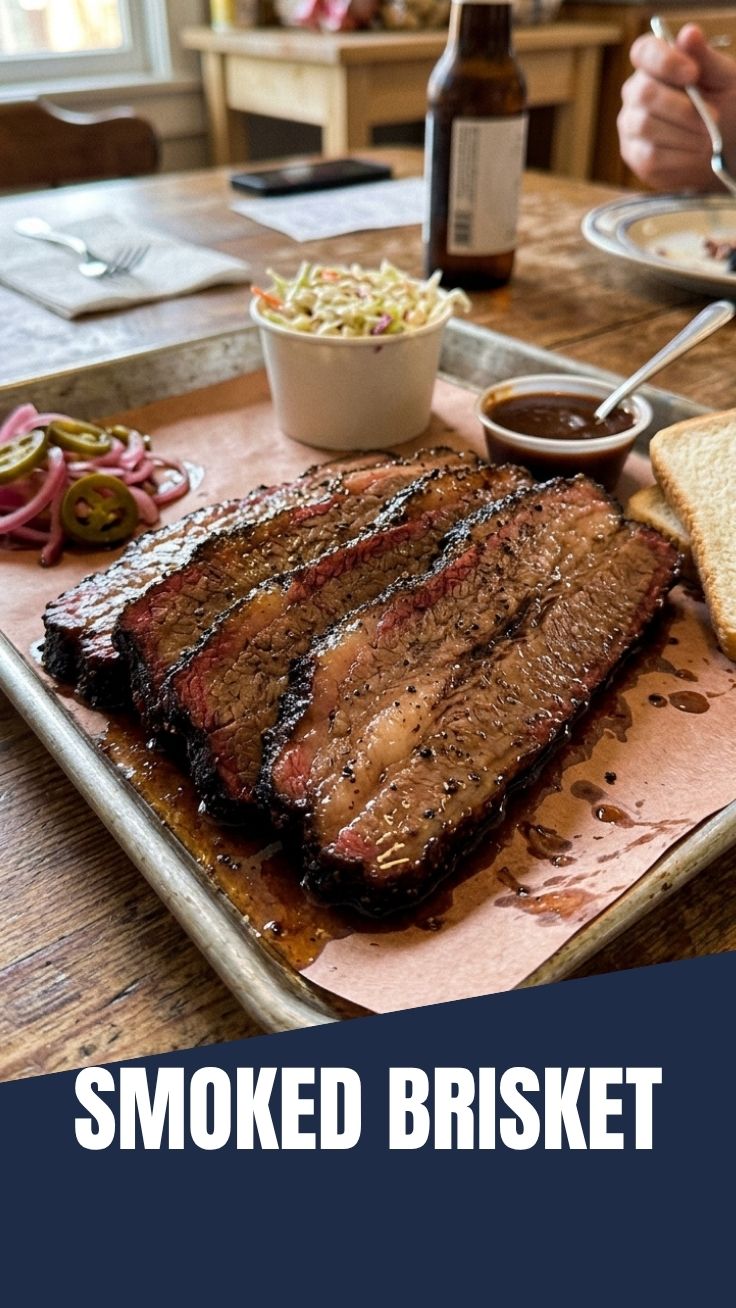
Have you ever wondered what separates a dry, chewy brisket from the melt-in-your-mouth, bark-crusted masterpiece that defines authentic Smoked Brisket? For decades, pitmasters across Texas have guarded their techniques like family secrets, but the truth is—with the right knowledge, anyone can replicate that legendary flavor in their own backyard. Learning to smoke brisket at home isn’t just about saving money; it’s about crafting a centerpiece that turns any gathering into a celebration. The beauty of this recipe lies in its simplicity: low heat, patience, and a reverence for the meat itself. By the end of this guide, you’ll understand why Texas BBQ is revered worldwide—and how you can bring that reverence to your own smoker.
—
Ingredients & Kitchen Tools
Brisket (10–14 lbs, whole packer cut) – Choose a brisket with at least ¼-inch fat cap for self-basting during the long cook.
Coarse kosher salt (2 tbsp per 5 lbs) – For seasoning; penetrates deeper than fine salt.
Coarse black pepper (2 tbsp per 5 lbs) – The signature of Central Texas-style rubs.
Optional rub additions – Garlic powder, onion powder, paprika (skip sugar if using a long smoke).
Wood chunks or chips – Post oak, hickory, or mesquite for authentic smoke profile.
Mustard (yellow) – As a binder for the rub (optional; water or Worcestershire also work).
Butcher paper (unwaxed) – For wrapping during the stall; foil can be used but softens bark.
Meat thermometer (dual-probe) – One for smoker temp, one for internal meat temp.
Sharp carving knife – A long, thin slicing knife for clean cuts against the grain.
Spray bottle – For apple juice, cider vinegar, or water to spritz when bark appears dry.
Substitutions: No smoker? Use a charcoal grill with indirect heat (Snake Method) or a pellet grill. No butcher paper? Heavy-duty aluminum foil works, though it creates a braised texture.
—
Prep Time & Cooking Schedule
| Phase | Time | Temp |
|——-|——|——|
| Trimming & Rub | 30–45 minutes | Room temp |
| Rest after rub | 12–24 hours (optional dry brine) | Refrigerated |
| Bring to room temp | 1 hour before smoke | Countertop |
| Total smoke time | 12–18 hours | 225–250°F |
| The Stall | 4–6 hours | Internal ~150–170°F |
| Post-wrap finish | 3–5 hours | Internal ~195–203°F |
| Rest (critical!) | 1–4 hours | Wrapped in towel inside cooler |
Key planning tip: Start your smoke at 10:00 PM the night before serving dinner. The long rest in a cooler can hold for 4–5 hours without quality loss.
—
Step-by-Step Instructions
1. Trim the brisket – Remove excess fat (leave ¼ inch). Square off the edges to prevent burning. Score the fat cap in a crosshatch pattern for better fat rendering during a Smoked Brisket cook.
2. Apply binder and rub – Spread a thin layer of yellow mustard over entire surface. Season generously with equal parts salt and pepper (and optional rub). Do not rub in—let it adhere naturally.
3. Preheat smoker to 225°F using post oak for authentic Texas BBQ flavor. Maintain thin blue smoke—not white billowing smoke.
4. Place brisket fat-side down (or up depending on heat source orientation). Insert probe into the thickest part of the flat.
5. Spritz every hour after the first 2 hours if bark appears dry. Use apple juice or cider vinegar.
6. The stall (internal temp plateaus at 150–170°F) – When bark is mahogany and set (usually after 5–7 hours), wrap tightly in butcher paper. Return to smoker.
7. Cook until probe-tender – Continue until internal temp reaches 195–203°F. Probe should slide in with no resistance, like room-temperature butter.
8. Rest unwrapped for 20 minutes to steam off, then wrap in fresh paper, towel, and place in a preheated cooler for 1–4 hours.
9. Slice against the grain – Separate point and flat first. Slice flat in ¼-inch slices; cube point for burnt ends.
Texture cues: Bark should be dark, tacky, and crackle when squeezed. Fat should be translucent, not white. The bend test (slice draped over a finger) should cause the meat to tear slightly, not snap.
—
Nutritional Benefits & Advantages
Brisket is a rich source of high-quality protein (about 28g per 3-ounce serving) and essential B vitamins, particularly B12 and niacin, which support energy metabolism. The long, slow cooking process renders out much of the saturated fat—trimming after cooking can further reduce fat content. While Smoked Brisket is not a low-calorie food, its nutritional profile benefits from the absence of added sugars or processed ingredients when using a simple salt-and-pepper rub. Moreover, collagen breakdown during the stall converts tough connective tissue into gelatin, which supports joint health and digestion. Compared to fried or heavily sauced meats, this preparation is naturally lower in inflammatory compounds.
—
Tips Variations & Cooking Advice
Flavor variations: Add a coffee-rub layer (ground coffee + brown sugar + chili powder) for a deeper, bitter-sweet crust. For a Kansas City twist, brush with tomato-based sauce during the last 30 minutes.
Alternative methods: No smoker? Use a slow cooker at low heat for 8–10 hours, then finish under the broiler for bark. For a quicker cook, use an electric pressure cooker (Instant Pot) for 90 minutes, then sear.
Dietary adaptations: The base recipe is gluten-free, dairy-free, and low-carb (keto-friendly). Avoid any rubs containing flour or maltodextrin.
Portion changes: For smaller cuts, use a brisket flat (5–7 lbs) and reduce cooking time by 30%; for larger crowds, cook two briskets side by side but stagger start times.
—
Common Mistakes to Avoid
– Not trimming enough – Excess fat prevents smoke absorption and creates greasy meat. Remove large chunks of hard fat.
– Skipping the rest – Carving a brisket immediately after cooking lets all the juices run out. Always rest at least 1 hour.
– Opening the smoker too often – Each peek adds 15 minutes of cook time. Use a remote probe thermometer instead.
– Using too much wood – Heavy smoke creates bitter creosote. Two to three fist-sized chunks per 8 hours are plenty.
– Slicing with the grain – This creates long, chewy strands. Always identify the grain direction before slicing.
—
Storage & Meal Prep Tips
Refrigeration: Store leftover sliced brisket in airtight containers with a splash of beef broth to retain moisture. Consume within 4 days.
Freezing: Wrap portions tightly in plastic wrap, then foil, then place in a freezer bag. Vacuum sealing is ideal. Frozen brisket stays good for 3 months.
Reheating: For best texture, reheat in a 275°F oven wrapped in foil with a few tablespoons of broth or au jus. Cover for 20–30 minutes, then uncover for 10 minutes to crisp the bark. Avoid microwaving, which toughens the meat.
—
Conclusion
Mastering Smoked Brisket is a rite of passage for any home cook, and the journey itself is as rewarding as the final plate. By understanding the science of the stall, respecting the importance of rest, and honoring the simple salt-and-pepper tradition of Texas BBQ, you’re not just cooking—you’re carrying forward a cultural legacy. Don’t be discouraged if your first brisket isn’t perfect; every pitmaster started somewhere. I encourage you to fire up your smoker this weekend, invite some friends, and let the magic happen. When you pull that perfectly tender, bark-covered brisket off the grate, you’ll understand why this dish has inspired countless backyard traditions. Share your results in the comments, and tag us in your photos—we’d love to see your smoke ring!
—
FAQs
1. Can I use a gas grill instead of a smoker?
Yes—set up a two-zone fire with a drip pan under the brisket and a small wood chip packet over the lit burner. Maintain 225–250°F by adjusting the vents.
2. Why does my brisket always come out dry?
Three culprits: too-high cooking temperature, insufficient fat cap, or slicing too early. Ensure internal temp hits 200–205°F and rest for at least 1 hour (or up to 4) before slicing.
3. How do I get a better bark?
Use a coarse rub (coarse pepper and salt), avoid sugar in the rub (sugar burns before bark sets), and do not wrap until the bark is fully formed—typically after 5–7 hours at 225°F.
4. Can I smoke a frozen brisket?
It’s not recommended—the increased cooking time leads to uneven cooking and potential bacterial growth in the danger zone. Thaw completely in the refrigerator (3–5 days) before trimming and seasoning.
5. What’s the best wood for brisket?
Post oak is the classic choice for Texas-style. Hickory and pecan are also excellent. Avoid mesquite alone—it can overpower the meat—but a mix works well. Fruit woods like apple or cherry add sweetness but lack robust smokiness.
Quick way to grow 3lbs Smoked Brisket
Ingredients
Equipment
Method
- Pat the brisket dry with paper towels, then trim off any excess fat, leaving about a 1/4-inch layer for flavor.
- In a bowl, combine smoked paprika, garlic powder, onion powder, black pepper, and salt to create your rub.
- Generously apply the rub all over the brisket, ensuring it is fully coated.
- Preheat your smoker to 275°F (135°C).
- Place the brisket directly on the smoker grate and smoke for 2-3 hours, or until an internal temperature of 165°F (74°C) is reached.
- Remove the brisket from the smoker and wrap it tightly in butcher paper or aluminum foil, adding the beef broth before sealing.
- Return the wrapped brisket to the smoker and continue cooking for another 1-2 hours, or until it reaches an internal temperature of 200-205°F (93-96°C) and is probe tender.
- Once cooked, remove the brisket from the smoker and let it rest, still wrapped, for at least 30 minutes before slicing against the grain and serving.