Why This Fresh Poke Bowl Will Transform Your Lunch Game (And Save You Money)
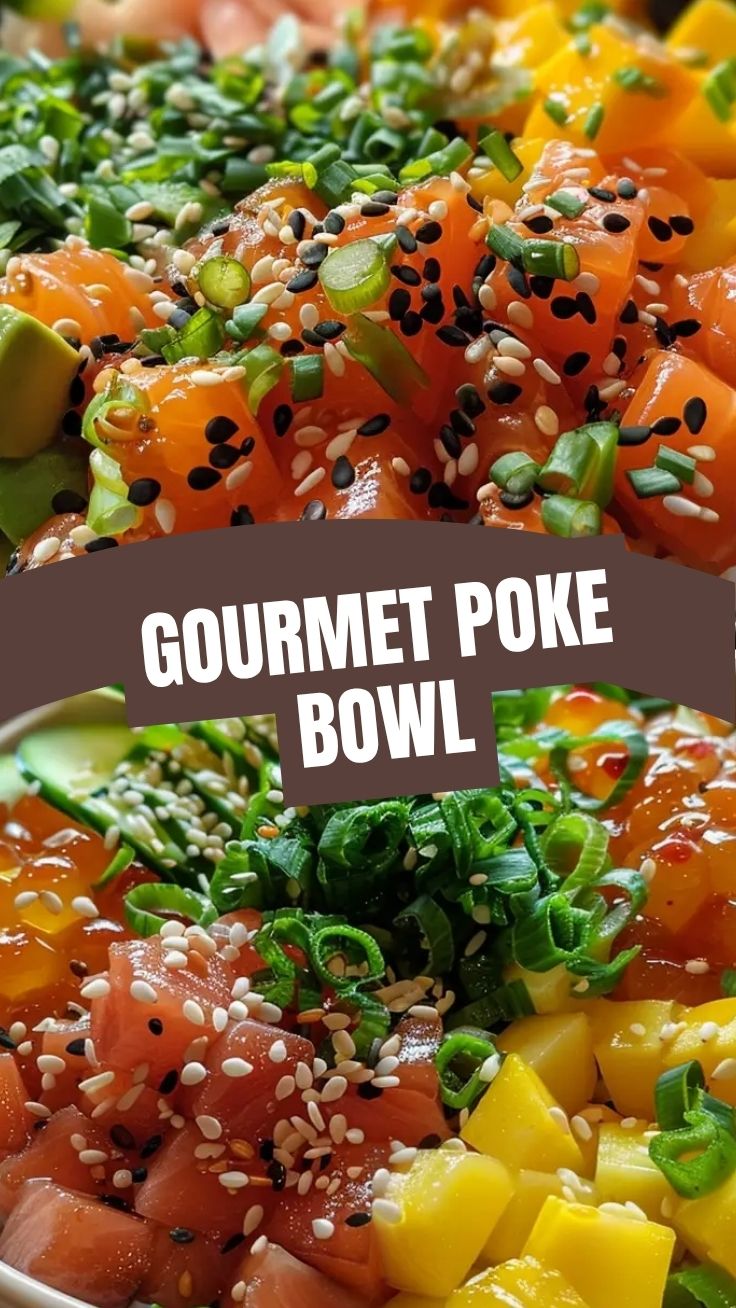
Have you ever wondered why restaurant-quality Poke Bowl meals cost upwards of $18, yet often leave you wanting more? The secret isn’t magic—it’s about mastering a few core techniques in your own kitchen. Preparing a vibrant Hawaiian Poke bowl at home not only slashes your grocery bill by nearly 60% but also puts you in complete control of freshness, protein quality, and portion sizes. In this guide, I’ll show you how to build a stunning, restaurant-worthy bowl that rivals any takeout spot—using simple ingredients and foolproof methods. Let’s dive into the world of marinated fish, crispy toppings, and umami-rich dressings that make every spoonful unforgettable.
—
Ingredients & Kitchen Tools
For the Poke Bowl Base:
– Sushi-grade salmon or ahi tuna (1 lb): Fresh, bright red flesh with no fishy odor. Ask your fishmonger for “sashimi-grade.”
– Soy sauce (¼ cup): Use low-sodium to control saltiness.
– Sesame oil (2 tbsp): Toasted variety adds nutty depth.
– Rice vinegar (1 tbsp): Balances richness with acidity.
– Hawaiian sea salt or flaky sea salt (½ tsp): Enhances flavors without overwhelming.
– Green onions (3 stalks, sliced): For freshness and crunch.
– Sesame seeds (1 tbsp, toasted): For nutty garnish.
– Optional marinade boost: 1 tsp grated ginger, 1 tsp sriracha, or ½ tsp furikake seasoning.
For the Bowl Assembly:
– Sushi rice (2 cups cooked): Short-grain Japanese rice works best for stickiness.
– Toppings: Diced cucumber, avocado, edamame, mango, pickled ginger, and nori strips.
– Kitchen tools: Sharp chef’s knife, large mixing bowl, small whisk, cutting board, rice cooker or pot, and a fine-mesh strainer.
Optional Substitutions:
– Protein: Cooked shrimp, tofu (pressed and cubed), or smoked salmon.
– Rice: Cauliflower rice for low-carb; brown rice for extra fiber.
– Marinade: Tamari for gluten-free; coconut aminos for soy-free.
—
Prep Time & Cooking Schedule
| Step | Time Required | Details |
|——|————–|———|
| Marinating fish | 15–20 minutes | Do not exceed 30 minutes or fish becomes mushy |
| Cooking rice | 20 minutes | Plus 10 minutes resting covered |
| Prep toppings | 10 minutes | Slice veggies, cube avocado |
| Final assembly | 5 minutes | Layer and serve immediately |
Total active time: 30–35 minutes (includes marinating)
Resting time: 10 minutes for rice
Plan ahead: Marinate the fish while rice cooks. Have toppings ready before draining marinade.
—
Step-by-Step Instructions
1. Prepare the sushi rice: Rinse 1 cup short-grain rice under cold water until water runs clear. Cook with 1¼ cups water in a rice cooker or covered pot. Once done, let rest 10 minutes, then gently fold in 2 tbsp rice vinegar and 1 tsp sugar while warm. Cool to room temperature.
2. Cut the fish: Using a sharp knife, cut salmon or tuna against the grain into ½-inch cubes. Pat dry with paper towels for better marinade adherence. A hot tip from professional Poke Bowl chefs: chill the fish for 10 minutes before cutting for cleaner, more precise cubes.
3. Make the marinade: In a bowl, whisk soy sauce, sesame oil, rice vinegar, and Hawaiian sea salt. Add grated ginger and sriracha if using. Stir in sliced green onions and toasted sesame seeds.
4. Marinate the fish: Gently fold fish cubes into the marinade. Cover and refrigerate for exactly 15–20 minutes. Stir once halfway through. For an authentic Hawaiian Poke texture, avoid over-marinating—the acid in the marinade will “cook” the outer edges.
5. Assemble the bowl: Place a bed of seasoned rice in a shallow bowl. Arrange marinated fish in the center. Add toppings in colorful sections: diced cucumber, avocado slices, edamame beans, mango chunks, and pickled ginger.
6. Garnish and serve: Sprinkle furikake, extra sesame seeds, and a drizzle of leftover marinade. Serve immediately for peak freshness. Add a squeeze of lime before eating.
—
Nutritional Benefits & Advantages
This bowl is a nutritional powerhouse:
– High-quality protein: Salmon provides 22g of protein per 4-ounce serving, supporting muscle repair.
– Omega-3 fatty acids: Promotes heart and brain health.
– Antioxidants: Avocado and edamame deliver vitamins C and E, plus fiber.
– Low-calorie base: With cauliflower rice substitution, the bowl becomes under 400 calories.
Dietary advantages: Naturally gluten-free (use tamari), dairy-free, and can be made paleo by omitting rice.
—
Tips Variations & Cooking Advice
– For extra crunch: Add crispy fried onions or tempura flakes just before serving.
– Spicy version: Mix 1 tbsp Sriracha with 2 tbsp mayonnaise for a creamy spicy sauce.
– Budget swap: Use frozen thawed sushi-grade fish (thaw in refrigerator overnight).
– Vegetarian option: Replace fish with marinated tofu or tempeh, pressing excess moisture first.
– Rice alternatives: Quinoa, zucchini noodles, or a bed of mixed greens for a refreshing twist.
—
Common Mistakes to Avoid
| Mistake | Solution |
|———|———-|
| Over-marinating fish (more than 30 minutes) | Set a timer; fish will become mushy and “cooked” unevenly |
| Using warm rice | Always cool rice to room temperature to prevent heating the fish marinade |
| Cutting fish unevenly | Use a sharp knife; thaw fish partially for easier handling |
| Skipping the rice rinse | Unrinsed rice becomes too sticky and gummy |
| Adding avocado too early | Slice just before serving to prevent browning |
—
Storage & Meal Prep Tips
– Refrigeration: Store marinated fish in an airtight container for up to 24 hours only. Toppings separately.
– Freezing: Not recommended for assembled bowls. However, uncooked sushi-grade fish can be frozen for up to 3 months; thaw overnight in the fridge.
– Leftover rice: Keeps 2–3 days in the fridge. Reheat with a damp paper towel in the microwave for 30 seconds to restore moisture.
– Reheating note: Never microwave the fish—it will become rubbery. Enjoy leftover fish cold from the fridge as a quick salad topping.
—
Conclusion
Building a homemade Poke Bowl is about more than saving money—it’s about mastering a dish that celebrates freshness, texture, and vibrant flavors. By following this guide, you’ve learned how to select sushi-grade fish, create a balanced marinade, and assemble a bowl that rivals any restaurant version. The secret lies in the details: timing the marination, using chilled rice, and layering toppings for visual appeal. I encourage you to experiment with different proteins, sauces, and toppings to make this your signature recipe. Once you taste how bright and satisfying a homemade Hawaiian Poke can be, you’ll never default to takeout again. Share your creation on social media and tag me—I’d love to see your colorful bowls!
—
FAQs
Can I use frozen fish for poke?
Yes, but ensure it’s labeled “sushi-grade” or “sashimi-grade” and was frozen at -4°F for at least 7 days to kill parasites. Thaw in the refrigerator.
How do I know if my rice is properly seasoned?
Taste a spoonful—it should have a mild tangy-sweet flavor from rice vinegar and sugar. If bland, add more vinegar 1 teaspoon at a time.
What if my marinade tastes too salty?
Add a squeeze of lime or lemon juice to balance. Alternatively, double the batch of fish to absorb excess salt.
Can I prepare the bowl the night before?
Assemble components separately: marinate fish up to 24 hours (but serve cold), store toppings in separate containers, and cook rice fresh. Assemble just before eating.
Is this recipe safe for people with seafood allergies?
Replace fish with cooked shrimp, shredded chicken, or cubed mango for a sweet alternative. Use tamari for gluten-free. Always check labels for cross-contamination.
Quick way to grow a 5-Star Poke Bowl Garden
Ingredients
Equipment
Method
- Choose a sunny spot in your garden or a large container for your poke bowl garden. Ensure the soil is well-drained and rich in organic matter to provide a good foundation for healthy growth.
- Plant lettuce seeds or small seedlings, spacing them about 6-8 inches apart. Plant cherry tomato seeds or starter plants, providing stakes for support as they grow.
- Water your garden regularly, especially during dry spells, ensuring the soil remains consistently moist. Fertilize every two to four weeks with a balanced organic fertilizer to promote vigorous growth and a bountiful harvest.
- Harvest lettuce leaves as needed, picking outer leaves to allow the plant to continue producing. Pick cherry tomatoes when they are fully red and firm, and harvest cucumbers when they reach your desired size.