Master the Classic: Your Ultimate Guide to Homemade New York Cheesecake
Ever wondered what it takes to create that perfectly creamy, impossibly rich, and utterly luxurious New York Cheesecake right in your own kitchen? The thought of baking such an iconic dessert can seem daunting, but I’m here to tell you it’s not only achievable but incredibly rewarding. Forget those bland, store-bought versions; preparing this classic at home allows you to control the quality of ingredients, customize the flavor profile, and experience the unparalleled joy of serving a dessert that truly impresses. This comprehensive guide will walk you through every step, ensuring your homemade masterpiece rivals any bakery. Get ready to dive into the wonderful world of Cheesecake recipes and bake something truly spectacular!
Ingredients & Kitchen Tools
Crafting the perfect cheesecake requires a few key ingredients and tools. Here’s what you’ll need:
Ingredients:
- For the Crust:
* 1 ½ cups graham cracker crumbs (about 12–14 full sheets, crushed finely for a uniform base)
* ¼ cup granulated sugar (adds a touch of sweetness to balance the buttery richness)
* 6 tablespoons unsalted butter, melted (binds the crumbs together for a sturdy crust)
- For the Filling:
* 4 (8-ounce) blocks cream cheese, softened (full-fat is essential for that signature creamy texture)
* 1 ½ cups granulated sugar (provides the perfect sweetness to cut through the richness)
* 2 teaspoons vanilla extract (enhances the overall flavor profile)
* ¼ cup all-purpose flour (helps prevent cracks and adds structure)
* ½ cup sour cream, full-fat (adds tanginess and contributes to the smooth texture)
* 4 large eggs, at room temperature (binds the filling and provides structure)
* 1 large egg yolk, at room temperature (adds extra richness and helps with smoothness)
- For the Topping (Optional, but Recommended):
* 1 pint sour cream, full-fat (for a tangy, delicate topping)
* 2 tablespoons granulated sugar (sweetens the sour cream ever so slightly)
* 1 teaspoon vanilla extract (rounds out the flavor)
Kitchen Tools:
- 9-inch springform pan (essential for easy removal of the cheesecake)
- Aluminum foil (heavy-duty, for water bath protection)
- Large roasting pan (to create a water bath)
- Electric mixer (stand or hand mixer, for a lump-free filling)
- Rubber spatula (for scraping bowls effectively)
- Measuring cups and spoons (for accurate ingredient portions)
- Cooling rack (for even cooling and preventing condensation)
Prep Time & Cooking Schedule
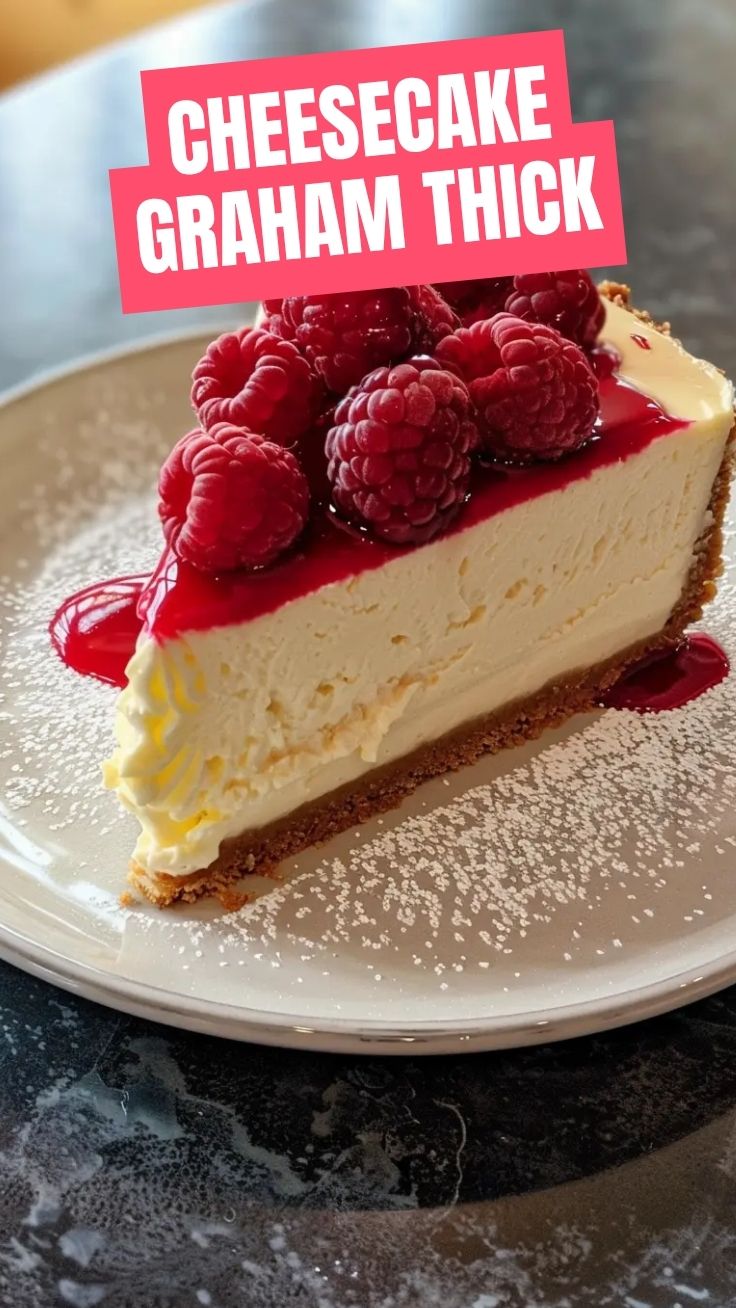
Patience is key when making a New York Cheesecake. The various cooling stages are crucial for achieving the perfect texture and preventing cracks.
- Prep Time: 30 minutes (crust and filling)
- Bake Time: 1 hour 15 minutes to 1 hour 30 minutes
- Cooling Time (Oven): 1 hour (critical for gradual cooling)
- Cooling Time (Counter): 1 hour (further gradual cooling)
- Chilling Time (Refrigerator): At least 6 hours, preferably overnight (non-negotiable for setting)
Plan to start this recipe the day before you intend to serve it to allow for adequate chilling.
Step-by-Step Instructions
Follow these detailed steps to achieve a flawless New York Cheesecake, paying close attention to temperature and mixing. These techniques are fundamental for many wonderful Cheesecake recipes.
1. Prepare the Crust: Preheat your oven to 350°F (175°C). In a medium bowl, combine graham cracker crumbs, sugar, and melted butter. Press firmly into the bottom of a 9-inch springform pan. Bake for 10 minutes, then remove and let cool. Reduce oven temperature to 325°F (160°C).
2. Prepare the Water Bath: Wrap the outside of the springform pan tightly with several layers of heavy-duty aluminum foil to prevent water from seeping in.
3. Make the Filling: In a large bowl with an electric mixer, beat softened cream cheese on medium speed until smooth and creamy, about 2–3 minutes. Gradually add sugar, beating until well combined and no lumps remain. Scrape down the sides of the bowl. Beat in vanilla extract and flour until just combined.
4. Incorporate Wet Ingredients: Add sour cream to the mixture and beat on low speed until just incorporated. Add eggs one at a time, beating on low speed after each addition just until the yolk disappears. Do not overmix; overmixing incorporates too much air, which can cause cracks. Stir in the extra egg yolk.
5. Pour and Bake: Pour the cheesecake filling over the cooled crust in the springform pan. Place the springform pan into a large roasting pan. Carefully pour hot water into the roasting pan until it reaches halfway up the sides of the springform pan.
6. Bake: Bake for 1 hour 15 minutes to 1 hour 30 minutes, or until the edges are set but the center still jiggles slightly when gently shaken.
7. Cool Gradually (Oven): Turn off the oven, crack the door open slightly, and leave the cheesecake in the oven for 1 hour. This gradual cooling prevents cracking.
8. Cool (Counter): Remove the cheesecake from the water bath and the roasting pan. Carefully remove the foil. Let it cool completely on a wire rack at room temperature for another hour.
9. Prepare Topping (Optional): While the cheesecake cools, whisk together sour cream, sugar, and vanilla extract for the topping. Spread evenly over the cooled cheesecake.
10. Chill: Cover loosely with plastic wrap and refrigerate for at least 6 hours, preferably overnight, before serving.
Nutritional Benefits & Advantages
While New York Cheesecake is certainly an indulgence, it offers some noteworthy aspects. Cream cheese is a good source of Vitamin A, and dairy products contribute to calcium intake, important for bone health. Making it at home allows you to use high-quality, fresh ingredients, avoiding artificial flavors and preservatives often found in commercial versions. The richness of the cheesecake means a small slice is often sufficient, leading to satisfying portion control.
Tips, Variations & Cooking Advice
- Sanitize Your Ingredients: Ensure all dairy ingredients (cream cheese, eggs, sour cream) are at room temperature. This is crucial for a smooth, lump-free batter.
- Don’t Overmix: Overmixing incorporates too much air, which can cause the cheesecake to puff up and then crack as it cools. Mix on low speed and only until just combined.
- Water Bath is Your Friend: The water bath creates a moist, even cooking environment, preventing cracks and ensuring a creamy, uniform texture. Don’t skip it!
- Lemon Zest: For a brighter flavor, add 1-2 teaspoons of finely grated lemon zest to the filling.
- Chocolate Swirl: Melt 4 ounces of semi-sweet chocolate and swirl it into the batter after pouring it into the crust for a marbled effect.
- Gluten-Free Version: Use gluten-free graham crackers for the crust.
- Portion Control: Bake in mini springform pans or a muffin tin lined with paper for individual cheesecakes.
Common Mistakes to Avoid
- Using Cold Ingredients: Leads to lumpy batter. Remember, room temperature is key!
- Skipping the Water Bath: This is the most common reason for cracked cheesecakes.
- Opening the Oven Door During Baking: Causes drastic temperature drops, leading to cracks. Only open when checking for doneness towards the end of the baking time.
- Not Chilling Long Enough: The cheesecake needs ample time to set properly. Cutting it too soon will result in a messy, unset slice.
- Over-baking: An over-baked cheesecake can become dry and crumbly. Look for a slight jiggle in the center.
Storage & Meal Prep Tips
Your homemade New York Cheesecake should be stored in an airtight container in the refrigerator for up to 5 days. For longer storage, freeze individual slices (or the whole cheesecake) by wrapping them tightly in plastic wrap, then a layer of aluminum foil. It can be frozen for up to 1-2 months. Thaw frozen cheesecake in the refrigerator overnight before serving. Do not reheat, as this will alter the texture.
Conclusion
Creating a homemade New York Cheesecake is a truly gratifying culinary experience. By following these detailed steps and heeding the expert tips, you’re well on your way to baking a dessert that is not only delicious but also speaks to your dedication in the kitchen. Don’t be afraid to experiment with different Cheesecake recipes, but start with this classic, and you’ll build a strong foundation. We encourage you to try this recipe and share your delectable results with us! Happy baking!
FAQs
Q: Can I use low-fat cream cheese?
A: For an authentic New York Cheesecake, full-fat cream cheese is highly recommended for its richness and texture. Low-fat versions may result in a less creamy, more watery cheesecake.
Q: How do I know when the cheesecake is done?
A: The edges should be set, but the center (about 2-3 inches in diameter) should still have a slight jiggle when you gently shake the pan. It will continue to set as it cools.
Q: My cheesecake cracked! What went wrong?
A: Cracks are usually caused by rapid temperature changes (not using a water bath, opening the oven door too often, or cooling too quickly outside the oven). Overmixing can also incorporate too much air, leading to cracks.
Q: Can I make this ahead for a party?
A: Absolutely! This cheesecake is perfect for making a day or even two days in advance. In fact, the flavors often meld and improve with a bit of time in the refrigerator.
Q: What if I don’t have a springform pan?
A: While a springform pan is ideal for easy removal, you can use a regular 9-inch round cake pan lined with parchment paper, leaving an overhang to lift the cheesecake once cooled. However, extreme care will be needed.
Best way to grow 3 New York CheesecakeNew York Cheesecake
Ingredients
Equipment
Method
- Preheat oven to 350°F (175°C) and prepare three 9-inch springform pans by greasing them.
- Combine graham cracker crumbs, sugar, and melted butter, then press evenly into the bottom of each prepared pan.
- Beat softened cream cheese and sugar until smooth, then mix in eggs one at a time.
- Stir in sour cream, vanilla extract, and lemon zest; pour the filling over the crusts.
- Bake for 60-75 minutes, or until the edges are set and the center is slightly jiggly.
- Let cheesecakes cool in the oven with the door ajar for 1 hour, then cool completely on a wire rack.
- Refrigerate for at least 6 hours or overnight before serving. Optionally, mix sour cream, sugar, and vanilla for a topping and spread over cooled cheesecakes before chilling.