The Ultimate Guide to Perfect Mashed Potatoes and Gravy at Home
Have you ever wondered why restaurant-quality Mashed Potatoes taste so impossibly creamy and rich, while your homemade version often turns out gluey or bland? The secret isn’t complicated: it’s a combination of the right potato variety, proper technique, and a velvety Gravy that ties everything together. Preparing this classic duo from scratch not only saves money but also lets you control the ingredients, ensuring a dish that’s free from preservatives and tailored to your taste. In this guide, you’ll learn the science behind silky Mashed Potatoes and a foolproof method for a luscious Gravy that will elevate any meal.
Ingredients & Kitchen Tools
For the Mashed Potatoes
– Russet or Yukon Gold potatoes (2 lbs) – Starchy potatoes yield the fluffiest texture; Yukon Golds add buttery flavor without extra fat.
– Unsalted butter (4 tbsp) – Adds richness; use vegan butter for dairy-free.
– Whole milk or heavy cream (½ cup) – Warm liquid incorporates better and prevents lumps. Substitute oat milk for a lighter version.
– Salt (1 tsp) & white pepper (¼ tsp) – White pepper avoids dark specks; black pepper works too.
– Garlic (2 cloves, optional) – Roast or boil for a subtle sweet note.
For the Gravy
– Pan drippings or butter (3 tbsp) – Base flavor; use vegetable broth + butter for vegetarian.
– All-purpose flour (3 tbsp) – Thickener; use cornstarch + water slurry for gluten-free.
– Beef or chicken broth (2 cups) – Low-sodium preferred; mushroom broth adds umami.
– Salt, black pepper, fresh thyme – Season to taste.
Essential Tools
– Large pot, potato masher or ricer, wooden spoon, whisk, measuring cups, fine-mesh strainer (for gravy).
Prep Time & Cooking Schedule
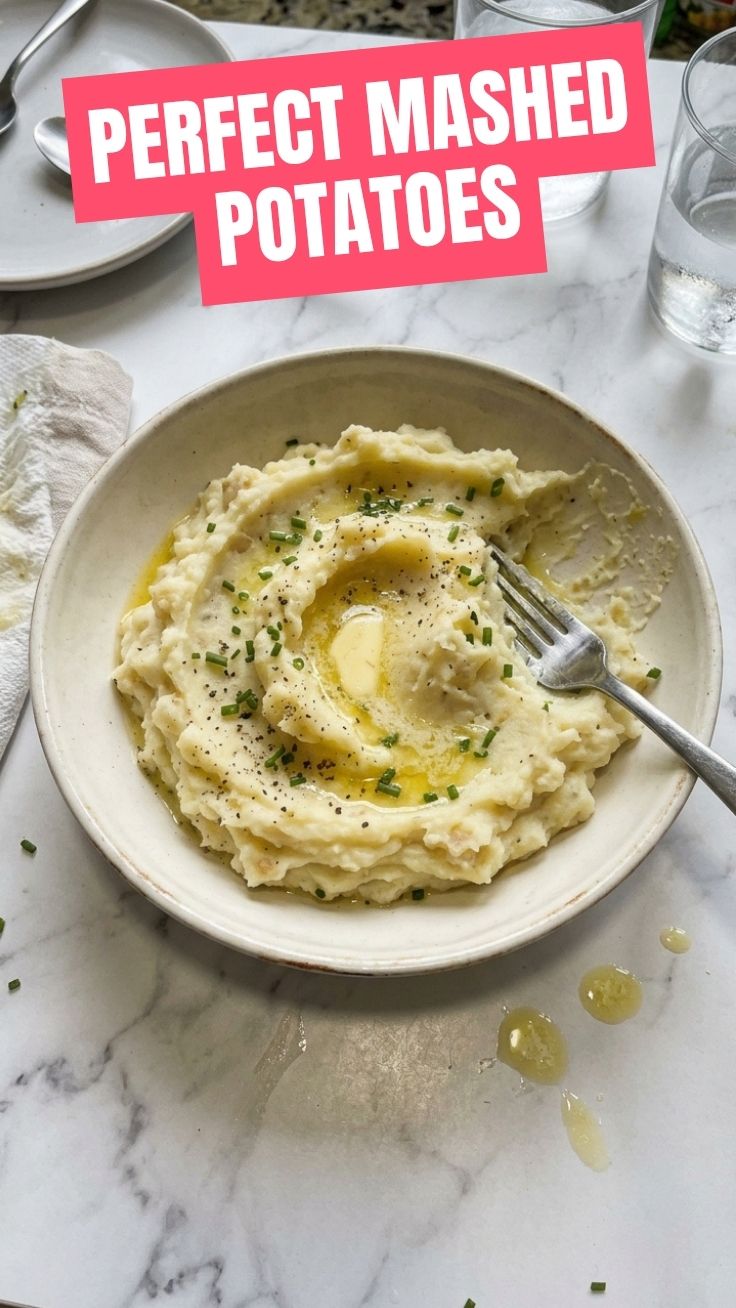
– Prep time: 15 minutes (peel, chop, measure)
– Cook time: 20 minutes (boiling potatoes) + 10 minutes (making gravy)
– Resting time: 5 minutes (let mashed potatoes sit covered after mashing)
– Total: about 50 minutes
Plan to start the potatoes first, then make the gravy while they drain. This timing ensures both components are hot at serving.
Step-by-Step Instructions
1. Boil the potatoes: Peel and cut potatoes into 1-inch cubes. Place in a large pot, cover with cold salted water, and bring to a boil. Reduce to a simmer and cook for 15–20 minutes until fork-tender. Tip: Starting with cold water ensures even cooking.
2. Drain and steam dry: Drain in a colander and let sit for 2 minutes to remove excess moisture. This prevents watery Gravy later.
3. Mash or rice: Pass potatoes through a ricer for the smoothest texture, or mash by hand. Avoid over-mashing to prevent glueyness.
4. Add butter and warm liquid: Stir in butter until melted, then gradually pour in warm milk/cream while mixing. Season with salt and pepper.
5. Make the Gravy: In a skillet, melt butter and whisk in flour. Cook for 1 minute, then slowly add broth while stirring. Simmer until thickened. Season with salt, pepper, and thyme. For a perfect pairing, pour this rich Mashed Potatoes and Gravy combination over your plate.
Nutritional Benefits & Advantages
Potatoes are an excellent source of vitamin C, potassium, and fiber (especially if you leave the skin on). Yukon Golds provide beta-carotene, while the butter and milk add calcium and vitamin D. Gravy made from bone broth offers collagen and minerals. When prepared at home, you can significantly reduce sodium compared to store-bought mixes. This dish also supports balanced energy release due to the complex carbohydrates in potatoes.
Tips, Variations & Cooking Advice
– Flavor twists: Add roasted garlic, truffle oil, or grated Parmesan to the potatoes. For Gravy, stir in a splash of red wine or Worcestershire sauce.
– Dietary swaps: Replace butter with olive oil and use unsweetened almond milk for dairy-free. Use gluten-free all-purpose flour or cornstarch for the gravy.
– Texture tweaks: For extra creamy Mashed Potatoes, use a hand mixer on low speed for 30 seconds.
– Portion changes: This recipe serves 4–6. Double easily for a holiday crowd.
Common Mistakes to Avoid
– Overworking the potatoes: Using a food processor or over-mashing releases too much starch, resulting in a gluey texture. Stick to a ricer or masher.
– Skipping the steam dry: Excess water dilutes flavor and makes potatoes soggy. Always let them dry after draining.
– Cold liquid: Adding cold milk or cream can cause the potatoes to seize up. Warm the liquid beforehand.
– Lumpy Gravy: Whisk constantly while adding broth to prevent clumps. Strain if needed.
Storage & Meal Prep Tips
Store leftover mashed potatoes and gravy separately in airtight containers in the refrigerator for up to 4 days. For freezing, portion potatoes into freezer-safe bags (add a splash of milk before reheating). Gravy freezes well for up to 3 months. To reheat, warm potatoes in a saucepan over low heat with extra butter or milk, stirring often. Reheat gravy in a skillet, whisking in additional broth to restore consistency. Avoid microwaving as it can create hot spots and dry out the dish.
Conclusion
Mastering creamy Mashed Potatoes and a silky Gravy at home transforms a simple side dish into a showstopper. By choosing the right potato, controlling the moisture, and building the gravy from drippings, you can replicate restaurant quality any night of the week. Remember to keep your tools simple and your patience high—the payoff is a bowl of comfort that pairs perfectly with roasts, meatloaf, or holiday feasts. Give this recipe a try, snap a photo of your results, and share your thoughts in the comments. For more side dish inspiration, explore our guides on roasted vegetables and stuffing.
FAQs
1. Can I make mashed potatoes without butter?
Yes, substitute with olive oil or vegan butter. The texture will be slightly different but still delicious.
2. Why did my gravy turn out lumpy?
Lumpy gravy usually results from adding flour too quickly or not whisking enough. Use a fine-mesh strainer to smooth it out, or blend with an immersion blender.
3. How do I keep mashed potatoes warm before serving?
Place them in a covered slow cooker on the “warm” setting, or set the bowl over a pot of simmering water.
4. Can I prepare these dishes a day ahead?
Yes. Make both components, cool, and refrigerate. Reheat the potatoes slowly with added liquid; reheat the gravy on the stovetop.
5. What if my gravy is too thin?
Mix 1 tablespoon cornstarch with 2 tablespoons cold water, whisk into simmering gravy, and cook 1 minute more until thickened.
Proven way to grow perfect Mashed Potatoes
Ingredients
Equipment
Method
- Select a sunny spot in your garden with well-draining soil and enrich it with compost to provide essential nutrients for your potato plants.
- Allow seed potatoes to "chit" by placing them in a cool, bright location for a few weeks until small sprouts emerge.
- Dig trenches approximately 6 inches deep and 12 inches apart, preparing the beds for planting.
- Plant the chitted seed potatoes in the trenches, sprout-side up, ensuring they are spaced about 12 inches apart.
- Cover the potatoes with about 3 inches of soil, gently patting it down.
- As the potato plants grow, "hill up" soil around the stems, covering new growth and preventing light exposure to developing tubers.
- Water regularly, especially during dry spells, ensuring the soil remains consistently moist but not waterlogged.
- Fertilize with a balanced organic fertilizer if needed, following product instructions.
- Harvest potatoes when the foliage begins to yellow and die back, typically 70-90 days after planting, by carefully digging them up with a shovel or trowel.