Beat the Heat with Fresh, Flavorful Low Calorie Summer Bowls
Are you tired of heavy, calorie-laden meals that leave you feeling sluggish in the summer heat? Imagine a dish that combines vibrant colors, refreshing textures, and bold flavors—all while keeping your waistline in check. That’s exactly what you get with low calorie summer bowls. Preparing this recipe at home not only saves money but also gives you full control over ingredients, ensuring a nutritious, satisfying meal that celebrates seasonal produce. Whether you’re seeking a light lunch or a vibrant dinner, these bowls are your go-to solution for eating well without sacrificing taste.
—
Ingredients & Kitchen Tools (H2)
Ingredients:
– 1 medium zucchini – Diced; adds a tender, mild base.
– 1 bell pepper (any color) – Chopped; provides crunch and sweetness.
– 1 cup cherry tomatoes – Halved; bursts with juicy acidity.
– 1 small eggplant – Cubed; brings a meaty texture when roasted.
– 1/2 red onion – Sliced thinly; offers a sharp, savory note.
– 2 cloves garlic – Minced; infuses aromatic depth.
– 2 tablespoons olive oil – For roasting; use sparingly for low-calorie results.
– 1 teaspoon dried oregano – Earthy herb for Mediterranean flair.
– Salt and black pepper – To taste; enhances natural flavors.
– 1 cup cooked quinoa – Or cauliflower rice for fewer carbs; adds protein and fiber.
– Fresh basil leaves – For garnish; adds a peppery, sweet finish.
Kitchen Tools:
– Baking sheet – For roasting vegetables evenly.
– Chef’s knife and cutting board – For prep work.
– Mixing bowl – To toss ingredients.
– Measuring spoons – For accurate oil and spice portions.
– Spatula or tongs – For turning vegetables.
Optional Substitutions:
– Swap quinoa for couscous, barley, or leafy greens.
– Use avocado oil instead of olive oil for a different flavor profile.
– Add grilled chicken or chickpeas for extra protein.
—
Prep Time & Cooking Schedule (H2)
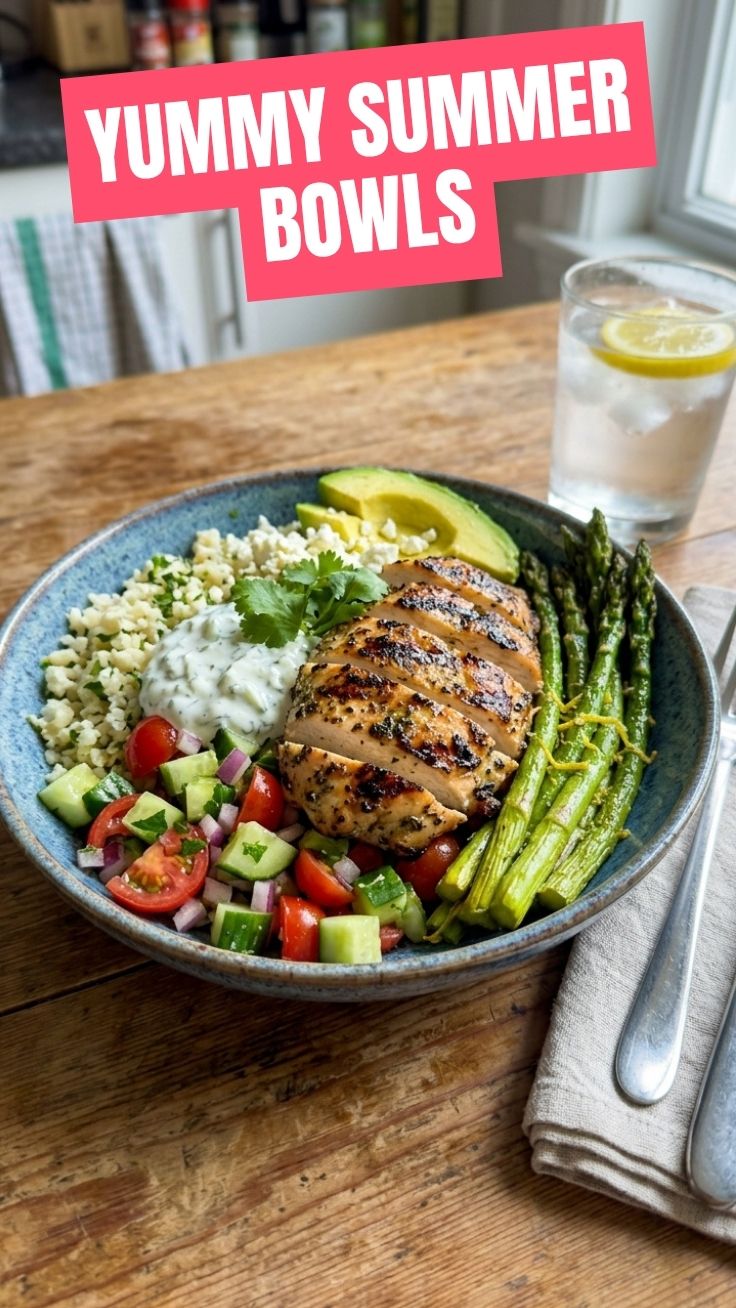
– Prep Time: 15 minutes – Washing, chopping, and measuring ingredients.
– Cook Time: 25 minutes – Roasting vegetables at 400°F (200°C).
– Resting Time: 5 minutes – Allows flavors to meld after assembly.
– Total Time: 45 minutes – Perfect for a weekday lunch or dinner.
Plan ahead by prepping vegetables the night before to cut morning stress. This timing ensures everything is ready when hunger strikes.
—
Step-by-Step Instructions (H2)
1. Preheat your oven to 400°F (200°C). Line a baking sheet with parchment paper for easy cleanup.
2. Prepare vegetables: Dice zucchini, bell pepper, and eggplant into uniform 1-inch cubes. Halve cherry tomatoes and slice red onion thinly. Mince garlic.
3. Toss with oil and spices: In a large bowl, combine all vegetables with olive oil, oregano, salt, and pepper. Mix until evenly coated.
4. Spread on baking sheet in a single layer—avoid overcrowding to ensure caramelization, not steaming.
5. Roast for 20–25 minutes, stirring halfway through. Vegetables should be tender and lightly browned. For a charred edge, broil for the last 2 minutes.
6. Assemble bowls: Divide cooked quinoa (or base of choice) among bowls. Top with roasted vegetables.
7. Garnish with fresh basil and serve warm or at room temperature.
Pro tip: For crispy edges, pat vegetables dry before roasting. Adjust salt levels after cooking—different vegetables absorb salt unevenly. This simple method ensures perfect low calorie summer bowls every time. Pair with a side of low calorie lunch bowls featuring leftover roasted veggies and leafy greens for a satisfying midday meal.
—
Nutritional Benefits & Advantages (H2)
Each serving (about 1.5 cups) contains roughly 250–300 calories, 10g protein, 8g fiber, and 15g healthy fats from olive oil. This dish is rich in vitamins A, C, and K from bell peppers and tomatoes, while eggplant provides antioxidants like nasunin, which supports brain health. Quinoa offers complete plant-based protein, making this bowl ideal for weight management, heart health, and sustained energy. Plus, the high water content in vegetables promotes hydration during hot summer days.
—
Tips Variations & Cooking Advice (H2)
– Flavor Twist: Add a squeeze of lemon juice or a splash of balsamic glaze before serving for brightness.
– Protein Boost: Mix in grilled shrimp, tofu, or canned tuna for extra satiety.
– Low-Carb Version: Replace quinoa with riced cauliflower or shredded cabbage.
– Dairy-Free Option: Omit cheese; use nutritional yeast for a cheesy flavor.
– Spice It Up: Toss vegetables with red pepper flakes or smoked paprika for heat.
Cooking Advice: For faster prep, use frozen pre-cut vegetables (thaw and pat dry). Double the recipe for meal prep—store components separately to maintain texture.
—
Common Mistakes to Avoid (H2)
1. Overcrowding the pan – Leads to soggy vegetables. Use two sheets if needed.
2. Skipping the preheat – Uneven cooking results without a hot oven.
3. Underseasoning – Vegetables need adequate salt to release moisture and enhance flavor. Taste and adjust at the end.
4. Forgetting to rest – Letting bowls sit 5 minutes allows flavors to meld.
5. Using old spices – Dried oregano loses potency after 6 months; use fresh if possible.
—
Storage & Meal Prep Tips (H2)
– Refrigeration: Store roasted vegetables and quinoa separately in airtight containers for up to 4 days.
– Freezing: Vegetables can be frozen for up to 2 months, but texture softens upon thawing. Quinoa freezes well for up to 3 months.
– Reheating: Warm vegetables in a dry skillet over medium heat for 3–5 minutes to restore crispness. Microwave quinoa with a splash of water, covered, for 1–2 minutes.
– Assembling: Keep greens and fresh herbs separate until serving to prevent wilting.
—
Conclusion (H2)
Creating low calorie summer bowls at home is a game-changer for healthy eating—it’s quick, versatile, and bursting with seasonal goodness. This recipe proves that you don’t need heavy sauces or complicated techniques to enjoy a flavorful meal. Whether you’re packing low calorie lunch bowls for the week or serving dinner to guests, this dish delivers on taste, nutrition, and simplicity. Try it tonight, customize it to your liking, and share your creations in the comments below. Your summer deserves bowls this fresh!
—
FAQs (H2)
1. Can I make these bowls gluten-free?
Yes! Quinoa is naturally gluten-free. Ensure any added proteins (like soy sauce) are certified gluten-free.
2. How can I reduce calories further?
Use less oil (1 tablespoon instead of 2) and replace quinoa with cauliflower rice. Skip any cheese or nut toppings.
3. What if I don’t have an oven?
Sauté vegetables in a skillet over medium-high heat for 10–12 minutes, stirring frequently. Add a splash of water to steam if needed.
4. Can I prep these bowls ahead of time?
Absolutely—roast vegetables and cook quinoa up to 3 days in advance. Assemble just before eating to maintain texture.
5. Why are my vegetables mushy?
Ensure they’re in a single layer on the pan and don’t overcrowd. Also, avoid over-stirring during roasting, which breaks down structure.
Proven way to grow low calorie summer bowls 5
Ingredients
Equipment
Method
- Choose a sunny spot in your garden or balcony for growing your low-calorie summer bowl ingredients. Plant seeds or seedlings for lettuce, cherry tomatoes, cucumbers, bell peppers, radishes, and your favorite fresh herbs.
- Water regularly, ensuring the soil remains moist but not waterlogged, and fertilize as needed to promote healthy growth.
- Harvest your produce when it is ripe and ready; typically, lettuce can be picked outer leaves, tomatoes are firm and red, cucumbers are firm, and bell peppers are colorful and crisp.
- Wash all harvested vegetables thoroughly under cool running water, gently drying them with a clean towel or salad spinner.
- Chop or slice the lettuce, tomatoes, cucumbers, bell peppers, and radishes into bite-sized pieces suitable for a bowl.
- Finely chop your fresh herbs and prepare a simple dressing by whisking together lemon juice, olive oil, salt, and pepper in a small bowl.
- In individual serving bowls, arrange a base of mixed lettuce greens.
- Evenly distribute the chopped tomatoes, cucumbers, bell peppers, and radishes over the lettuce.
- Garnish each bowl with the freshly chopped herbs.
- Drizzle each summer bowl with the prepared lemon-herb dressing just before serving, adjusting seasoning to taste.