The Secret to Silky, Foolproof Hollandaise Sauce at Home
Have you ever ordered Eggs Benedict at a brunch spot and wondered why your homemade version never quite reaches that same luxurious, velvety texture? You’re not alone. Many home cooks shy away from Hollandaise Sauce because it has a reputation for being finicky—prone to breaking, curdling, or turning into a greasy mess. But here’s the truth: mastering this classic French emulsion is simpler than you think. Preparing it at home not only saves you money but also gives you complete control over freshness, flavor, and dietary adjustments. Once you understand the science behind the emulsion, you’ll never buy a jarred mix again. In this post, we’ll walk through a foolproof Hollandaise sauce recipe that delivers restaurant-quality results every single time.
Ingredients & Kitchen Tools
For the Sauce (serves 4–6):
– 3 large egg yolks – Use the freshest eggs possible; they emulsify better and reduce the risk of curdling.
– 1 tablespoon cold water – Helps stabilize the emulsion and prevents overheating.
– 1 cup (2 sticks) unsalted butter – Cut into small cubes; high-quality butter yields superior flavor.
– 1–2 tablespoons fresh lemon juice – Adjust to taste; provides acidity to cut richness.
– ¼ teaspoon salt – Fine sea salt works best; add more sparingly at the end.
– Cayenne pepper or white pepper – A pinch for subtle heat; white pepper blends in visually.
Optional Substitutions:
– Dairy-free: Use clarified coconut oil or vegan butter (must be solid at room temperature).
– Lower fat: Reduce butter to ¾ cup and add ¼ cup low-fat Greek yogurt at the end.
Kitchen Tools:
– Double boiler or heatproof bowl over a saucepan
– Whisk (balloon whisk for better air incorporation)
– Rubber spatula
– Small saucepan (for melting butter)
– Instant-read thermometer (optional but helpful)
Prep Time & Cooking Schedule
Prep Time: 5 minutes | Cook Time: 8–10 minutes | Total Time: 15 minutes
This sauce comes together extremely quickly once you start, so it’s critical to have all ingredients measured and tools within reach before heating. Plan to make it immediately before serving—it doesn’t hold well at room temperature for more than 30 minutes. The entire process takes about 15 minutes from start to finish, with the active cooking portion lasting under 10 minutes.
Step-by-Step Instructions
1. Melt the butter in a small saucepan over low heat until fully liquid but not bubbling. Once melted, remove from heat and let it cool slightly while you prepare the egg yolks. The butter should be warm (about 120°F), not hot—this prevents scrambling the yolks.
2. Set up a double boiler by bringing an inch of water to a gentle simmer in a saucepan. Place a heatproof bowl on top, making sure the bottom doesn’t touch the water.
3. Whisk the egg yolks and cold water together in the bowl until they thicken slightly and become pale yellow (about 30 seconds). This step is crucial for building the emulsion base.
4. Add the lemon juice and salt to the yolks, then whisk continuously. The mixture will foam and thicken—this is where you’re creating the stable foundation for your Hollandaise Sauce.
5. Slowly drizzle in the warm butter while whisking constantly. Start with a few drops at a time; after about ¼ cup is incorporated, you can increase to a thin, steady stream. If the sauce starts to separate, stop adding butter and whisk vigorously until it comes back together.
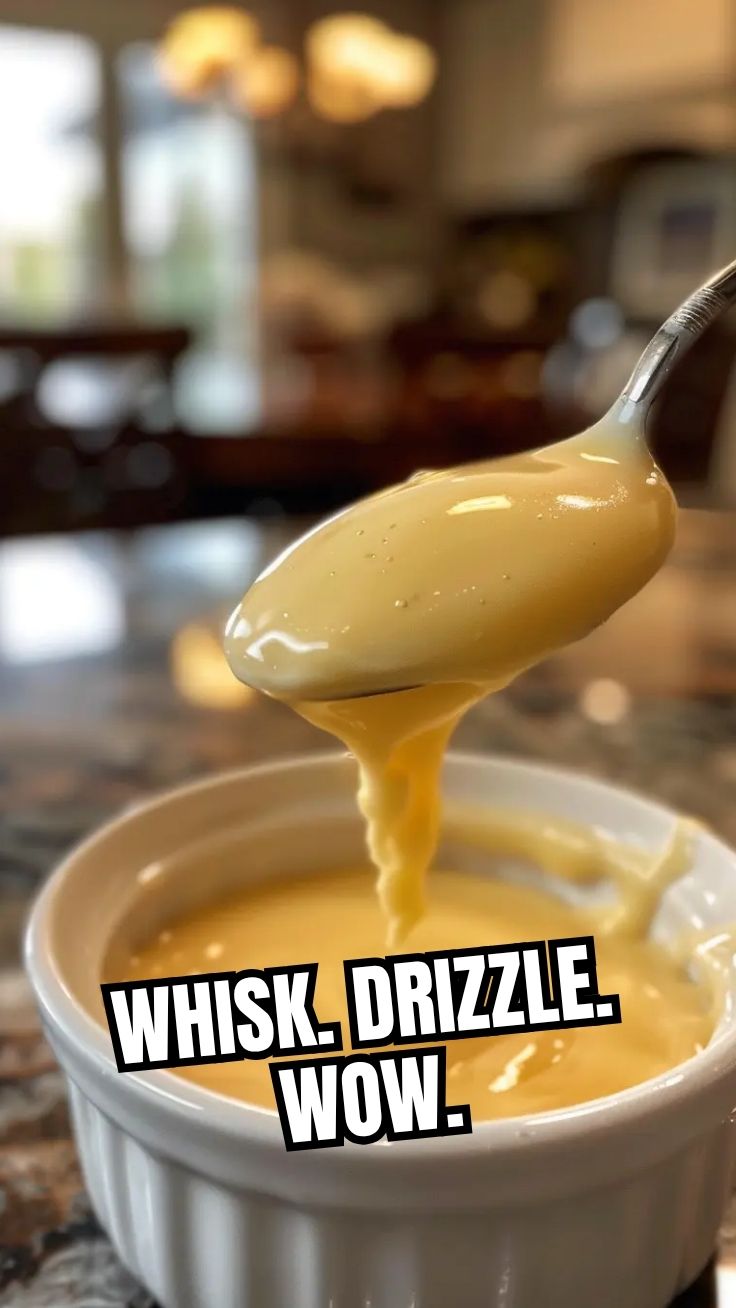
6. Check the texture—the sauce should coat the back of a spoon and hold a ribbon when lifted. If it’s too thick, whisk in a teaspoon of warm water. If too thin, continue whisking over gentle heat for another 30 seconds.
7. Season and finish with a pinch of cayenne or white pepper, and adjust lemon juice and salt to taste. This classic Hollandaise sauce recipe yields a rich, buttery emulsion that pairs perfectly with eggs, asparagus, or grilled fish.
Temperature Tip: Keep the sauce between 130°F and 145°F. Above 160°F, the yolks scramble; below 120°F, the butter may solidify and break the emulsion.
Nutritional Benefits & Advantages
Hollandaise is undeniably rich, but it offers some surprising nutritional perks when made from scratch. Egg yolks are packed with choline (essential for brain health), vitamin D, and lutein (which supports eye health). Butter provides fat-soluble vitamins A, E, and K2. Plus, because this sauce is made with real ingredients—no additives or preservatives—you avoid the processed oils and stabilizers found in commercial versions. A 2-tablespoon serving contains approximately 180 calories, 18g fat, and 1g protein, so use it judiciously as a flavor enhancer rather than a main component.
Tips Variations & Cooking Advice
Flavor Variations:
– Lemony Hollandaise: Increase lemon juice to 2 tablespoons and add 1 teaspoon lemon zest.
– Herb Hollandaise: Whisk in 1 tablespoon of finely chopped tarragon or chives at the end.
– Spicy: Add a dash of smoked paprika or chipotle powder along with the cayenne.
Dietary Adaptations:
– Gluten-free: Naturally gluten-free—just ensure your lemon juice and spices are certified gluten-free.
– Dairy-free: Substitute the butter with high-quality vegan butter or ghee (if lactose-intolerant but not dairy-free).
– Egg-free: Use aquafaba (1 tablespoon per yolk) and a tablespoon of cornstarch to thicken.
Cooking Method Swap: If you don’t have a double boiler, use a microwave in 15-second bursts on low power, whisking between each. But the stovetop method offers better control.
Common Mistakes to Avoid
– Cranking the heat too high: This is the #1 killer. Keep the water at a bare simmer, not a rolling boil. If you see steam, you’re fine; if you see bubbles rising to the surface, the heat is too high.
– Adding butter too quickly: Pouring in all the butter at once overwhelms the yolks and causes immediate separation. Patience is your best friend here.
– Over-whisking after the sauce is done: Once the emulsion is stable, excessive whisking can actually break it by incorporating too much air. Stop whisking once it’s smooth and glossy.
– Using cold butter directly from the refrigerator: Cold butter droplets can shock the yolks and cause curdling. Always melt and cool the butter slightly first.
Storage & Meal Prep Tips
Hollandaise is best enjoyed fresh, but you can extend its life with proper handling. Transfer leftovers to an airtight container and refrigerate within 2 hours of cooking. It will keep for up to 2 days in the fridge. Do not freeze—the emulsion will break irreparably upon thawing.
Reheating: Place the sauce in a heatproof bowl over simmering water (or use a microwave at 30% power in 10-second bursts). Whisk in a teaspoon of warm water to restore the original texture. If it separates, whisk in an ice cube or a few drops of lemon juice to bring it back together.
Conclusion
You now have all the tools to create a silky, restaurant-worthy Hollandaise Sauce right in your own kitchen. Remember that practice makes perfect—your first attempt might be slightly thin or overly thick, but each batch will teach you something new about temperature control and emulsion techniques. This foundational Hollandaise sauce recipe opens up endless possibilities, from classic Eggs Benedict to drizzling over roasted vegetables or grilled salmon. Don’t be afraid to experiment with the variations we covered, and feel free to share your results in the comments below. Once you taste the difference between homemade and store-bought, you’ll never go back.
FAQs
1. Can I use salted butter instead of unsalted? Yes, but reduce or omit the added salt until the end, then adjust to taste. Salted butter varies in sodium content between brands.
2. My sauce broke halfway through—can I save it? Absolutely. Start a new egg yolk in a clean bowl, then slowly whisk your broken mixture into it as if it were butter. This “rescue” technique works about 80% of the time.
3. How do I make a thinner sauce? Whisk in warm water, 1 teaspoon at a time, until the desired consistency is reached. For a thicker sauce, continue whisking over low heat for 30–45 seconds longer.
4. Can I make hollandaise ahead of time? It’s possible but tricky. Make it up to 1 hour ahead and hold it in a warm (not hot) thermos. Alternatively, reheat gently using the method described above.
5. What can I serve with hollandaise besides eggs? This sauce pairs beautifully with steamed asparagus, artichokes, poached fish, grilled chicken, or even roasted potatoes. The acidity cuts through the richness, making it a versatile savory companion.
Proven way to grow Hollandaise Sauce in 5 Steps
Ingredients
Equipment
Method
- Melt the butter in a small saucepan over low heat and keep it warm, ensuring it doesn't brown. Set up a double boiler by placing a heatproof bowl over a saucepan with simmering water, making sure the bowl doesn't touch the water.
- In the heatproof bowl, whisk the egg yolks with lemon juice and salt until they are lightened in color and slightly thickened. This process should take about 2-3 minutes of continuous whisking.
- Slowly drizzle the melted butter into the egg yolk mixture while continuously whisking. Add the butter gradually to allow the sauce to emulsify properly, creating a thick and smooth texture.
- Continue whisking the sauce over the simmering water until it thickens to your desired consistency. Be careful not to overheat the sauce, as it can curdle if it gets too hot.
- Remove the Hollandaise sauce from the heat and serve immediately. If not serving right away, keep it in a warm spot, whisking occasionally, but ideally, it should be served fresh.