Beat the Heat with Protein-Packed Summer Meals That Won’t Weigh You Down
Are you tired of heavy, sluggish meals that leave you feeling bloated during the sweltering summer months? Imagine biting into a vibrant, chilled dish that satisfies your hunger, fuels your muscles, and keeps your calorie count in check. That’s the magic of high protein low calorie summer meals—a culinary approach that transforms seasonal produce into lean, energizing plates. Preparing these dishes at home isn’t just about saving money; it’s about taking control of your nutrition, avoiding hidden sugars and preservatives, and crafting meals that taste as good as they make you feel. Whether you’re meal-prepping for the week or hosting a backyard barbecue, these recipes are your ticket to staying fit, full, and fabulous all season long.
Ingredients & Kitchen Tools
For the Base (Serves 4)
– Grilled Chicken Breast (1 lb) – Lean protein powerhouse; substitute with tofu or tempeh for plant-based.
– Cherry Tomatoes (2 cups) – Bursting with lycopene and antioxidants; halved for quick roasting.
– English Cucumber (1 large) – Hydrating and crisp; no need to peel.
– Red Bell Pepper (1) – Adds vitamin C and a sweet crunch.
– Fresh Basil (½ cup) – Aromatic and anti-inflammatory; chiffonade for garnish.
– Feta Cheese (¼ cup, crumbled) – Optional for creaminess; omit for dairy-free.
– Lemon Juice (3 tbsp) – Brightens flavors and aids digestion.
– Extra Virgin Olive Oil (2 tbsp) – Healthy fats for satiety.
– Salt & Black Pepper – To taste.
For the Dressing
– Greek Yogurt (½ cup, plain) – Thick, tangy, and protein-rich; use coconut yogurt for vegan.
– Dijon Mustard (1 tsp) – Emulsifier with a subtle kick.
– Garlic (1 clove, minced) – Immune-boosting and pungent.
– Honey (1 tsp) – Balances acidity; swap with maple syrup.
Kitchen Tools
– Grill pan or outdoor grill – For char marks and smoky flavor.
– Sharp chef’s knife – For precise vegetable cuts.
– Large mixing bowl – For tossing ingredients.
– Whisk – For emulsifying dressing.
– Meat thermometer – Ensures chicken reaches 165°F safely.
– Airtight container – For storage.
Prep Time & Cooking Schedule
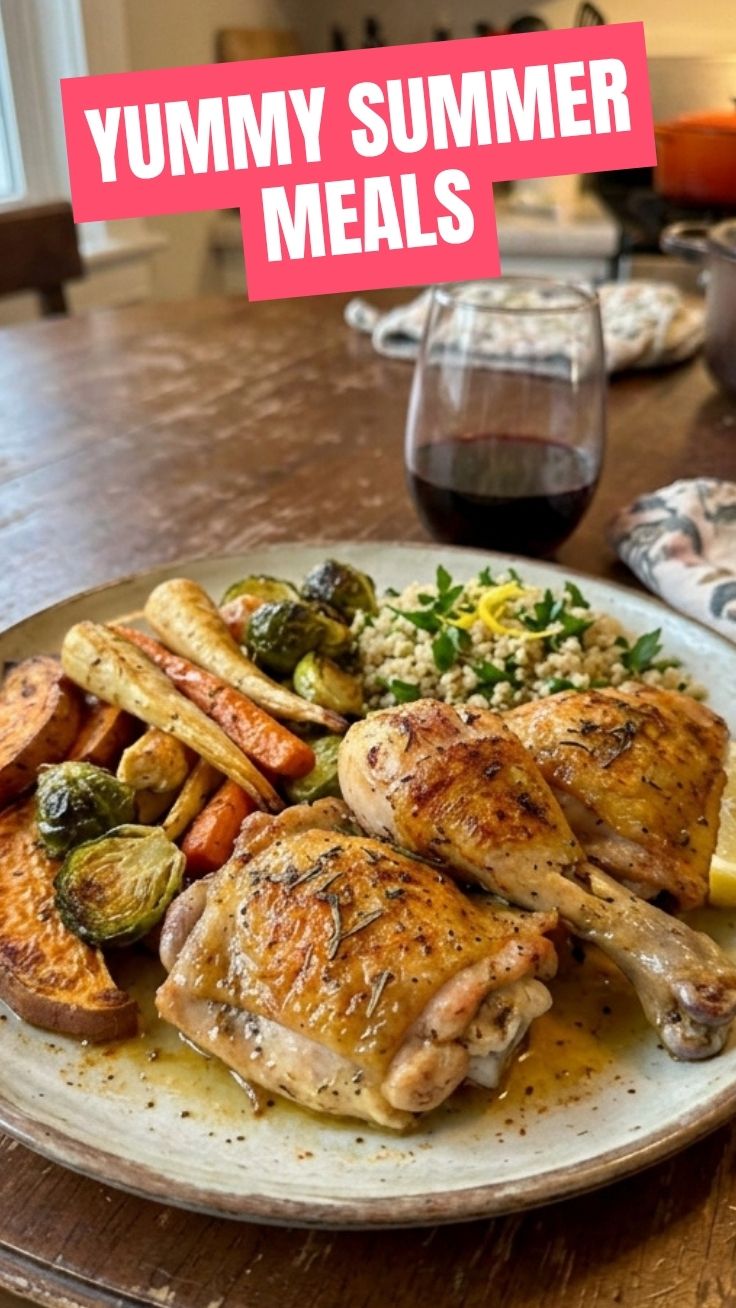
– Prep Time: 15 minutes (wash, chop, marinate)
– Cook Time: 12 minutes (grill chicken)
– Resting Time: 5 minutes (let chicken rest before slicing)
– Total Time: 32 minutes
Planning Tip: Grill the chicken and chop veggies the night before for a 5-minute assembly the next day. This dish is perfect for busy weeknights or lazy Sunday meal prep.
Step-by-Step Instructions
1. Preheat the Grill – Set your grill or grill pan to medium-high heat (about 400°F). Lightly oil the grates to prevent sticking.
2. Season the Chicken – Pat chicken breasts dry with paper towels. Season both sides with salt, pepper, and a drizzle of olive oil. For extra flavor, add smoked paprika or dried oregano.
3. Grill the Chicken – Place chicken on the hot grill. Cook for 5–6 minutes per side, flipping once. Use a meat thermometer to check for 165°F internal temperature. The exterior should have golden-brown grill marks.
4. Rest and Slice – Transfer chicken to a cutting board and let rest for 5 minutes. This locks in juices. Slice against the grain into ½-inch strips.
5. Prepare the Vegetables – While chicken rests, halve cherry tomatoes, dice cucumber, and slice bell pepper into thin strips. Toss in a large bowl.
6. Make the Dressing – In a small bowl, whisk Greek yogurt, Dijon mustard, minced garlic, lemon juice, honey, and a pinch of salt. Adjust consistency with a tablespoon of water if needed.
7. Assemble the Salad – Add sliced chicken to the vegetable bowl. Pour dressing over the top and toss gently to coat. Garnish with fresh basil and crumbled feta.
8. Serve Immediately – For a chilled version, refrigerate for 15 minutes before serving. This dish shines as a standalone meal or paired with quinoa for extra fiber.
Pro Tip: For perfectly cooked chicken, avoid pressing down on the breast while grilling—this squeezes out moisture. Instead, let the heat do the work. These high protein low calorie summer meals are designed to be forgiving, but temperature control is key for juicy results. Pair with refreshing protein salads like a chickpea and avocado blend for variety.
Nutritional Benefits & Advantages
This dish is a nutritional goldmine. A single serving (without feta) provides approximately:
– Calories: 320
– Protein: 38g
– Carbohydrates: 12g
– Fat: 14g (mostly from olive oil and yogurt)
– Fiber: 4g
Key Benefits:
– Lean Muscle Support: Chicken breast is a complete protein, essential for muscle repair and satiety.
– Hydration Boost: Cucumber and tomatoes are over 90% water, helping you stay cool and hydrated.
– Gut Health: Greek yogurt contains probiotics that aid digestion, while basil offers anti-inflammatory properties.
– Low Glycemic Impact: The fiber from vegetables slows sugar absorption, preventing energy crashes.
Tips Variations & Cooking Advice
– Flavor Swaps: Replace chicken with grilled shrimp or canned tuna for omega-3s. For a vegetarian twist, use grilled halloumi or marinated artichoke hearts.
– Dressing Variations: Swap Greek yogurt for tahini (sesame paste) for a nutty, dairy-free option. Add a pinch of cayenne for heat.
– Cooking Methods: No grill? Roast chicken at 400°F for 20 minutes, or use an air fryer at 375°F for 12 minutes.
– Portion Changes: Double the vegetables and halve the chicken for a lighter lunch. Add ½ cup cooked quinoa or farro for extra carbs.
– Dietary Adaptations: For gluten-free, ensure mustard and yogurt are certified. For dairy-free, use coconut yogurt and omit feta.
Common Mistakes to Avoid
1. Overcooking the Chicken – Dry, rubbery chicken ruins the dish. Always use a meat thermometer and remove from heat at 160°F (carryover cooking will bring it to 165°F).
2. Soggy Vegetables – Dress the salad just before serving. If meal-prepping, store dressing separately and toss when ready to eat.
3. Skipping the Rest Time – Cutting chicken immediately releases juices, leaving it dry. Patience pays off.
4. Overpowering Dressing – Start with half the dressing and add more as needed. You can always add, but you can’t subtract.
5. Using Low-Quality Oil – Extra virgin olive oil adds flavor and health benefits. Avoid cheap blends that may turn rancid.
Storage & Meal Prep Tips
– Refrigeration: Store in an airtight container for up to 3 days. Keep dressing separate to maintain crunch.
– Freezing: Not recommended for the assembled salad (vegetables become mushy). However, grilled chicken can be frozen for up to 3 months.
– Reheating: For best texture, enjoy cold or at room temperature. If you must reheat, microwave chicken separately for 30 seconds and add to fresh veggies.
– Meal Prep Hack: Grill 2 lbs of chicken on Sunday, slice, and portion into containers with pre-chopped veggies. Assemble dressing in a small jar for grab-and-go lunches.
Conclusion
Mastering high protein low calorie summer meals is your secret weapon against summer heat and hunger pangs. This grilled chicken and vegetable salad proves that healthy eating doesn’t have to be boring or time-consuming. By incorporating refreshing protein salads into your weekly rotation, you’ll enjoy sustained energy, better digestion, and a happier waistline. So fire up that grill, chop those veggies, and taste the difference homemade makes. Share your creation on social media with #SummerProteinSalad—we’d love to see your twist!
FAQs
1. Can I use chicken thighs instead of breasts?
Yes, but thighs have more fat and calories. Adjust cooking time to 7–8 minutes per side, and expect a juicier, richer flavor.
2. How do I prevent the dressing from separating?
Whisk vigorously or use a blender. If it separates, add a teaspoon of warm water and re-whisk.
3. Can I make this vegan?
Absolutely! Substitute chicken with grilled tofu or tempeh, use coconut yogurt, and skip the feta. Add chickpeas for extra protein.
4. Why is my chicken sticking to the grill?
Ensure the grill is hot and oiled. Also, don’t move the chicken too early—let it sear for 4–5 minutes before flipping.
5. How long does the dressing last in the fridge?
Up to 5 days in a sealed jar. Shake well before using, as ingredients may settle.
Quick way to grow with 7 high protein low calorie summer meals
Ingredients
Equipment
Method
- Allocate one day for meal prepping to maximize efficiency. Cook larger batches of lean protein such as grilled chicken or baked fish to use throughout the week. Similarly, chop and prepare a variety of fresh vegetables and store them in airtight containers for quick assembly.
- Cook whole grains like quinoa or brown rice in advance and portion them out. This saves time during busy weeknights. Store berries and other fruits in grab-and-go containers for easy snacks or meal additions.
- Prepare homemade vinaigrettes or other low-calorie dressings to avoid hidden sugars and unhealthy fats. These can be stored for several days and add fresh flavor to your meals.
- For each meal, combine your prepped protein, vegetables, and grains, adding healthy fats, herbs, and spices as desired. This flexible approach allows for variety and customization throughout the week.