The Ultimate Creamy Coleslaw Recipe: A Classic Side Dish Reimagined
Have you ever wondered why restaurant-style coleslaw tastes so much better than the soggy, flavorless versions you’ve tried at home? The secret isn’t a magic ingredient—it’s technique, timing, and the right balance of creaminess and crunch. Preparing this Coleslaw at home isn’t just about saving money; it’s about controlling quality, customizing flavors, and delivering a side dish that steals the show at barbecues, picnics, or weeknight dinners. Whether you’re a seasoned cook or a kitchen novice, this guide will walk you through every detail to create a memorable coleslaw recipe that rivals your favorite restaurant’s version.
—
Ingredients & Kitchen Tools
Ingredients (with clarifications):
– 1 medium head green cabbage (about 2 lbs) – Shredded finely; Savoy cabbage works for a milder flavor.
– 2 large carrots – Peeled and grated; adds natural sweetness and color.
– 1/2 cup mayonnaise – Full-fat for richest flavor; Greek yogurt can substitute half.
– 2 tablespoons apple cider vinegar – Adds tang; white wine vinegar works too.
– 1 tablespoon Dijon mustard – Emulsifies dressing and adds depth.
– 1 tablespoon granulated sugar – Balances acidity; honey or maple syrup are alternatives.
– 1/2 teaspoon celery seeds – Signature classic coleslaw flavor.
– Salt and freshly ground black pepper – Adjust to taste.
– Optional: 1/4 cup buttermilk – For extra tanginess; use milk + lemon juice as substitute.
Kitchen Tools:
– Large mixing bowl – For combining vegetables.
– Small bowl or jar – For whisking dressing.
– Chef’s knife or mandoline – For even shredding.
– Box grater or food processor – For quick carrot grating.
– Colander – To rinse and drain cabbage.
– Clean kitchen towel or salad spinner – To remove excess moisture.
—
Prep Time & Cooking Schedule
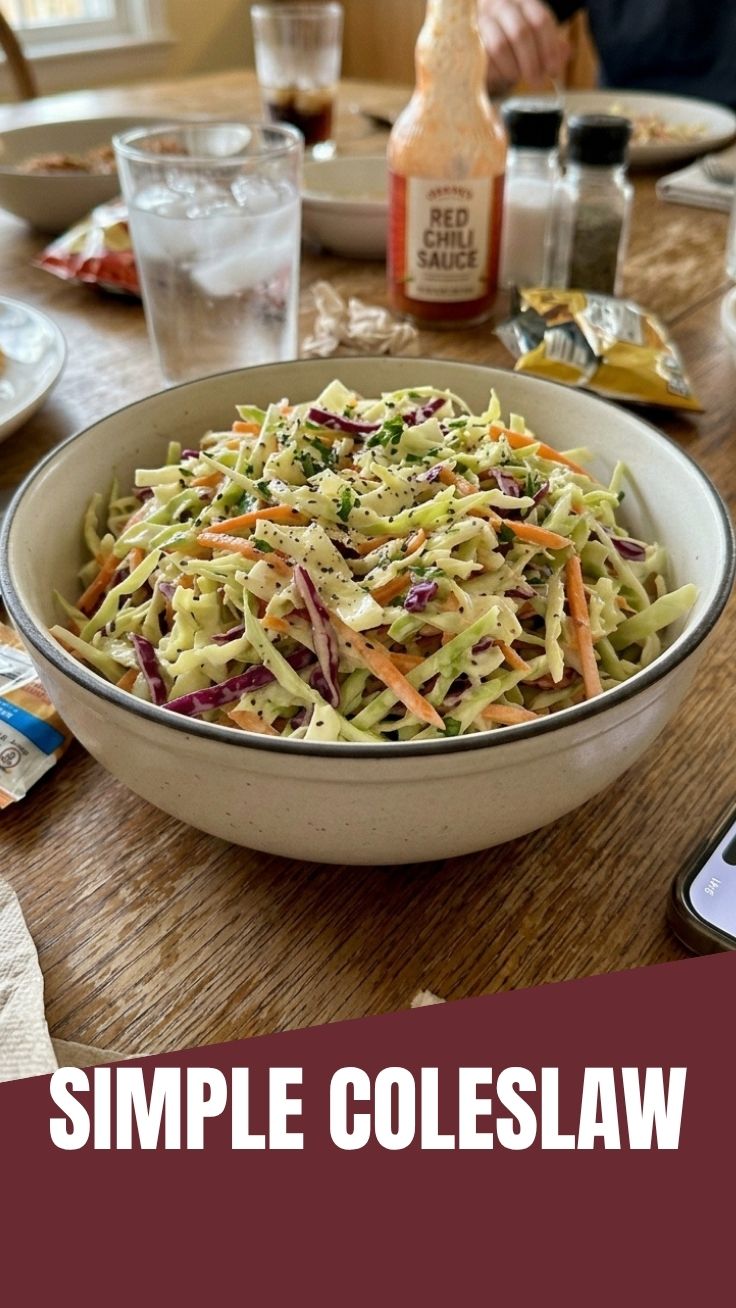
– Prep time: 15–20 minutes (includes shredding, grating, and dressing preparation).
– Resting time: 1 hour minimum (refrigerated) – Essential for flavors to meld and cabbage to soften slightly.
– Total time: 1 hour 15 minutes to 1 hour 20 minutes.
Key Scheduling Tip: Make this Coleslaw at least 1 hour before serving, or even the night before. The cabbage releases moisture as it sits, which dilutes the dressing if added too early—but a brief rest actually improves texture and flavor integration.
—
Step-by-Step Instructions
1. Prepare the Cabbage: Remove outer leaves, quarter the head, and cut out the core. Shred thinly using a knife or mandoline (aim for 1/8-inch thickness). Place in a colander, sprinkle with 1 teaspoon salt, and let sit for 15 minutes. This draws out excess moisture—a crucial step for crisp coleslaw.
2. Dry the Cabbage: After 15 minutes, rinse with cold water to remove salt, then press firmly with a clean towel or spin in a salad spinner until very dry. Patience here prevents watery coleslaw.
3. Grate the Carrots: Use the large holes of a box grater or shredding disc of a food processor. Combine with cabbage in a large bowl.
4. Make the Dressing: In a small bowl, whisk together mayonnaise, apple cider vinegar, Dijon mustard, sugar, and celery seeds. Season with 1/4 teaspoon black pepper and a pinch of salt. Taste and adjust—the dressing should be tangy, slightly sweet, and creamy.
5. Combine and Rest: Pour dressing over vegetables and toss thoroughly to coat. Cover and refrigerate for at least 1 hour. This resting period is where the magic happens for this authentic coleslaw recipe—the flavors marry and the cabbage softens just enough.
6. Serve: Toss again before serving. For best results, serve chilled. Garnish with cracked black pepper or fresh dill if desired.
—
Nutritional Benefits & Advantages
This Coleslaw is more than just a tasty side—it’s packed with nutritional benefits:
– Cabbage: Low in calories but high in fiber, vitamin C, and vitamin K. It contains sulforaphane, a compound linked to anti-inflammatory and cancer-fighting properties.
– Carrots: Rich in beta-carotene (vitamin A), which supports eye health and immune function.
– Mayonnaise-based dressing: While calorie-dense, it provides healthy fats that aid absorption of fat-soluble vitamins from the vegetables.
– Celery seeds: A source of antioxidants and minerals like calcium and iron.
Calorie estimate per serving (1 cup): ~150–180 calories, depending on mayo ratio. This makes it a satisfying, nutrient-dense addition to heavier main courses.
—
Tips, Variations & Cooking Advice
– Vinegar Swap: Use rice vinegar for a milder, slightly sweet tang; white balsamic for extra depth.
– Creaminess Variations: Replace half the mayo with plain Greek yogurt or sour cream for a lighter texture.
– Add-Ins: Fold in toasted sesame seeds, chopped apples, or finely sliced red onion for crunch and color.
– Spicy Kick: Add 1 teaspoon sriracha or a pinch of cayenne pepper to the dressing.
– Cabbage Varieties: Mix green and red cabbage for visual appeal; napa cabbage yields a softer, more delicate slaw.
– Dietary Adaptations: Use vegan mayonnaise for a dairy-free/egg-free version. For a keto-friendly slaw, replace sugar with a zero-calorie sweetener like monk fruit.
—
Common Mistakes to Avoid
– Skipping the salting step: This leads to watery coleslaw. Salting and drying the cabbage removes excess liquid before dressing is added.
– Overdressing: Start with less dressing; you can always add more. Overdressed coleslaw becomes soggy and unappetizing quickly.
– Using pre-shredded cabbage: It’s often too coarse and dry. Freshly shredded cabbage has better texture and absorbs dressing more evenly.
– Not letting it rest: Serving immediately results in a raw, harsh flavor. Resting for at least 1 hour mellows the cabbage and blends flavors.
– Chopping carrots too large: Grate them finely for even distribution and a more integrated flavor.
—
Storage & Meal Prep Tips
– Refrigeration: Store in an airtight container for up to 3 days. The cabbage will continue to soften, but flavors deepen.
– Freezing: Not recommended—thawed coleslaw becomes limp and watery. Make fresh batches instead.
– Reheating: This is a cold dish; do not reheat. If you prefer warm coleslaw (e.g., for pulled pork sandwiches), serve it at room temperature but not hot.
– Meal Prep Hack: Keep shredded cabbage and dressing separate until ready to serve. Combine up to 4 hours ahead. Dressing can be made 3 days in advance and stored in the fridge.
—
Conclusion
Mastering the art of Coleslaw is simpler than you think when you focus on moisture management, quality ingredients, and a little patience. This coleslaw recipe proves that a classic side dish can be both nutritious and bursting with flavor—perfect for pairing with grilled meats, barbecue, or even as a crunchy sandwich topping. I encourage you to try this recipe, adjust the seasonings to your taste, and share your results. For more kitchen inspiration, explore our other homemade dressing and salad guides.
—
FAQs
1. Can I use pre-shredded coleslaw mix from the store?
Yes, but for best results, choose a mix that includes finely shredded cabbage and carrots. Add a pinch of salt and let it sit for 10 minutes, then blot dry before dressing. It will be less crisp than freshly shredded cabbage.
2. How do I fix coleslaw that’s too watery?
Drain off excess liquid in a colander, then gently blot the vegetables with paper towels. You can also add a tablespoon of finely chopped, drained pickles or a sprinkle of panko breadcrumbs to absorb moisture.
3. Why does my coleslaw taste bland?
It likely needs more salt, acidity (vinegar), or sweetness (sugar). Taste the dressing before adding to vegetables and adjust seasoning. Also, ensure celery seeds are fresh—stale seeds lose their aromatic, peppery notes.
4. Can I make this coleslaw dairy-free or vegan?
Absolutely. Use a good-quality vegan mayonnaise (such as Just Mayo or Vegenaise) and substitute the buttermilk with unsweetened almond milk mixed with 1 teaspoon lemon juice. The result is just as creamy and delicious.
5. How long can coleslaw sit out at a picnic?
For food safety, do not leave coleslaw at room temperature for more than 2 hours (1 hour if above 90°F/32°C). Serve it chilled from a cooler or ice bath, and discard any leftovers that have been out longer.
Proven way to grow Coleslaw in 5 days
Ingredients
Equipment
Method
- Fill your pots or trays with potting soil, leaving about an inch of space from the top.
- Plant the coleslaw seeds about 1/4 inch deep and an inch apart to allow for proper growth.
- Water the seeds gently, ensuring the soil is consistently moist but not waterlogged.
- Place the pots in a sunny location or under a grow light for 12-16 hours daily.
- Keep the soil moist and monitor growth daily; once seedlings have a few leaves, they are ready for harvest and enjoyment.