Fresh and Vibrant Mango Salsa and Pico de Gallo Recipe: A Tropical Twist for Every Meal
Have you ever wondered why some salsas taste like they were made in a tropical paradise while others fall flat? The secret lies in balancing sweet, tangy, and spicy flavors with the freshest ingredients. Whether you’re looking to elevate your taco night or add a burst of color to grilled proteins, homemade salsa is a game-changer. Preparing it at home not only saves you money but also allows you to control the quality and freshness of every ingredient. In this recipe, we’ll explore two vibrant options: Mango Salsa and Pico de Gallo. These salsas are versatile, easy to make, and perfect for summer gatherings or weeknight dinners. Let’s dive into the details.
Ingredients & Kitchen Tools
For Mango Salsa:
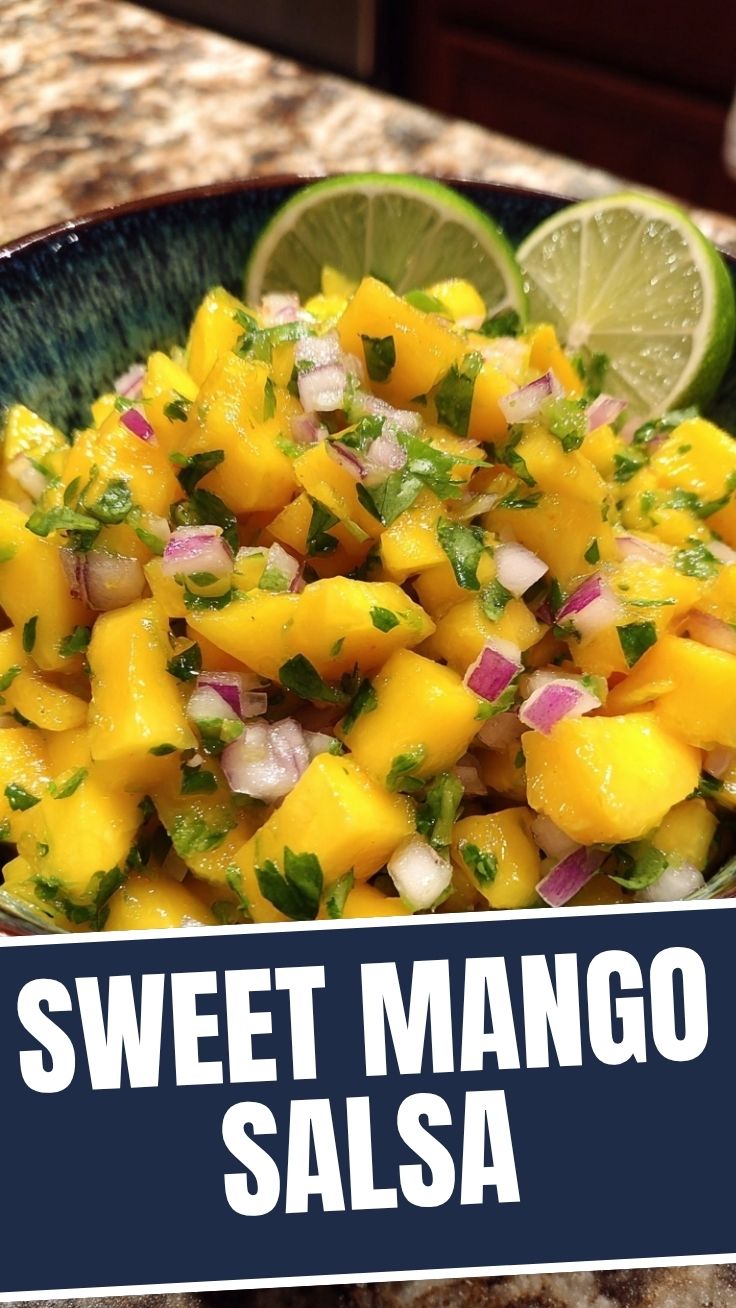
– 2 ripe mangoes: Choose firm but slightly soft mangoes for the best texture. Peel and dice into small cubes.
– 1/2 red onion: Finely chopped for a sharp bite. Soak in cold water for 5 minutes to reduce pungency.
– 1 jalapeño: Seeded and minced. Adjust based on your heat preference.
– Fresh cilantro: 1/4 cup chopped. Use both leaves and tender stems.
– Juice of 1 lime: Adds acidity to balance the sweetness.
– Salt: To taste, about 1/4 teaspoon.
For Pico de Gallo:
– 4 Roma tomatoes: Diced. Remove seeds and pulp for a drier texture.
– 1/2 white onion: Finely chopped.
– 1-2 serrano peppers: Minced. For a milder version, use half a jalapeño instead.
– Fresh cilantro: 1/4 cup chopped.
– Juice of 2 limes: Essential for bright flavor.
– Salt: 1/2 teaspoon, or to taste.
Kitchen Tools:
– Cutting board and sharp knife
– Mixing bowls (2 medium)
– Citrus juicer or hand squeeze
– Measuring spoons and cups
– Colander (for rinsing cilantro)
– Optional: Food processor for smoother texture
Substitutions:
– Mangoes: Use peaches or nectarines if mangoes are not in season.
– Onions: Shallots or green onions work for a milder flavor.
– Cilantro: Substitute with flat-leaf parsley if you have the “soap gene.”
– Limes: Lemon juice can replace lime juice in a pinch.
Prep Time & Cooking Schedule
– Prep Time: 15 minutes for each salsa
– Mango Ripening Time: If your mangoes are underripe, let them sit at room temperature for 2-3 days until they yield slightly to gentle pressure.
– Resting Time: Let the salsas rest for 10 minutes after mixing. This allows the flavors to meld and the salt to draw out juices.
– Total Time: 30 minutes active + 10 minutes resting
Plan ahead: Both salsas are no-cook recipes, making them ideal for last-minute meals. For best results, prepare just before serving or at least 30 minutes in advance to allow the flavors to develop.
Step-by-Step Instructions
For Mango Salsa:
1. Prepare the mangoes: Peel the mangoes using a vegetable peeler or sharp knife. Cut off the cheeks and dice into 1/4-inch cubes. Place in a medium bowl.
2. Chop the aromatics: Finely dice the red onion and mince the jalapeño. Add to the bowl.
3. Add fresh herbs: Chop the cilantro and mix it in.
4. Season: Squeeze the lime juice over the mixture, add salt, and stir gently. Taste and adjust seasoning. The sweetness of the mango should be balanced by the lime and salt.
5. Rest: Let it sit for 10 minutes before serving. This allows the Mango Salsa to develop its signature sweet-tangy profile. For a perfect pair, try this with Mango Salsa in shrimp and avocado bowls.
For Pico de Gallo:
1. Dice the tomatoes: Cut Roma tomatoes in half, remove seeds, and dice into 1/4-inch cubes. Place in a separate bowl.
2. Chop the onion and pepper: Finely chop the white onion and mince the serrano pepper. Add to the tomatoes.
3. Add cilantro and lime: Fold in the chopped cilantro and fresh lime juice.
4. Season: Add salt and stir. Let rest for 5 minutes. The Pico de Gallo should have a bright, fresh taste with a slight kick from the pepper. For a smoky twist, serve it alongside Pico de Gallo in BBQ salmon bowls.
Pro tip: For both salsas, use a non-reactive bowl (glass or ceramic) to avoid metallic flavors from the acidity in lime juice.
Nutritional Benefits & Advantages
Both salsas are packed with nutrition and offer significant health advantages. Mangoes are rich in vitamin C, vitamin A, and fiber, supporting immune health and digestion. Tomatoes in Pico de Gallo provide lycopene, a powerful antioxidant linked to heart health and reduced inflammation. Onions and peppers contain quercetin and capsaicin, which have anti-inflammatory and metabolism-boosting properties. Cilantro is known for its detoxifying effects, helping to remove heavy metals from the body.
These salsas are naturally gluten-free, vegan, and low in calories (about 30-40 calories per serving). They are also low in sodium when prepared at home, making them heart-friendly. The high water content from vegetables keeps you hydrated, and the fresh ingredients provide essential micronutrients without processed additives.
Tips Variations & Cooking Advice
Flavor Variations:
– Tropical twist: Add diced avocado to Mango Salsa for creaminess.
– Smoky flavor: Grill the mango halves for 2-3 minutes per side before dicing.
– Herb swap: Use mint or basil instead of cilantro for a different aroma.
Ingredient Swaps:
– For Pico de Gallo: Add corn kernels or black beans for extra texture and protein.
– For Mango Salsa: Substitute pineapple or papaya when mangoes are out of season.
Dietary Adaptations:
– Low-sodium: Omit salt and use extra lime juice for flavor.
– Low-sugar: For Mango Salsa, choose slightly underripe mangoes to reduce natural sugar content.
– Spicy: Add more jalapeño or serrano seeds, or include a pinch of cayenne.
Alternative Cooking Methods:
– Roasted version: Roast tomatoes, onions, and peppers at 400°F for 15 minutes before dicing for a smoky Pico de Gallo.
– Blended salsa: Pulse Mango Salsa in a food processor for a chunky-smooth texture.
Common Mistakes to Avoid
1. Using overripe mangoes: They become mushy and release too much liquid. Choose mangoes that are firm but yield slightly to pressure.
2. Skipping the seed removal for tomatoes: Seeds add excess water, making Pico de Gallo watery. Always scoop them out.
3. Adding too much lime juice upfront: Lime can overpower the sweetness of mangoes. Start with half the recommended amount and adjust.
4. Not resting the salsa: Freshly mixed salsa tastes sharp and disjointed. Allow at least 10 minutes for flavors to marry.
5. Storing in metal containers: Acidic salsas can react with aluminum or uncoated stainless steel. Use glass or plastic containers.
Storage & Meal Prep Tips
Refrigeration:
– Store each salsa in an airtight glass container.
– Mango Salsa keeps for 1-2 days in the fridge. The mango will soften over time, so it’s best eaten fresh.
– Pico de Gallo lasts up to 3 days, though tomatoes may release liquid after 24 hours. Drain excess juice before serving.
Freezing:
– Not recommended: Both salsas lose texture when frozen. The thawed mango becomes mushy, and tomatoes turn watery.
– Alternative: Freeze diced mango and tomatoes separately, then make fresh salsa when needed.
Reheating:
– Serve salsas cold or at room temperature. Never microwave, as this destroys the fresh texture and flavor.
– If refrigerated, remove from the fridge 15 minutes before serving to take the chill off.
Conclusion
Preparing fresh salsa at home transforms ordinary meals into extraordinary ones. The key is using ripe, seasonal ingredients and balancing flavors with acidity and salt. Whether you choose the sweet Mango Salsa or the classic Pico de Gallo, both recipes are quick, healthy, and endlessly customizable. Keep a batch in your fridge for quick tacos, burrito bowls, or as a topping for grilled fish or chicken. Try these salsas this week and share your results in the comments. Don’t forget to explore our other recipes for more inspiration.
FAQs
Q: Can I use frozen mangoes for Mango Salsa?
A: Yes, but thaw them completely and pat dry with paper towels to remove excess moisture. The texture will be softer, so it’s best for blended or chunky-pureed versions.
Q: How can I make Pico de Gallo less watery?
A: After dicing the tomatoes, sprinkle them with a pinch of salt and let them drain in a colander for 5 minutes before mixing. This removes excess liquid.
Q: Can I prepare these salsas a day ahead?
A: Pico de Gallo can be made 1 day ahead, but Mango Salsa is best within 1-2 hours of serving. For meal prep, chop ingredients separately and mix just before eating.
Q: What protein pairs best with these salsas?
A: Mango Salsa pairs wonderfully with grilled shrimp, chicken, or salmon. Pico de Gallo is perfect with carnitas, carne asada, or black beans.
Q: How do I reduce the spiciness?
A: Remove all seeds and membranes from peppers, and consider using bell peppers or poblanos instead of jalapeños or serranos. You can also add a spoonful of yogurt or sour cream to cool the heat.
Quick way to grow 5-Star Mango Salsa
Ingredients
Equipment
Method
- Peel and dice the mangoes into small cubes, then finely dice half of a medium red onion.
- Chop the fresh cilantro and mince a small jalapeño, making sure to remove the seeds if you prefer a milder salsa.
- In a medium-sized bowl, combine the diced mangoes, red onion, chopped cilantro, and minced jalapeño.
- Add the freshly squeezed lime juice, salt, and black pepper to the mixture.
- Gently mix all the ingredients until they are well combined.
- Taste the salsa and adjust the seasonings, adding more salt, pepper, or lime juice if desired.
- For best flavor, let the salsa sit for at least 10 minutes before serving to allow the flavors to meld.
- Serve the mango salsa immediately or chill it in the refrigerator until ready to use.