The Ultimate Guide to Perfect Shortbread Cookies: A Buttery, Melt-in-Your-Mouth Recipe
Have you ever dreamed of biting into a cookie that literally dissolves on your tongue, leaving behind nothing but pure, rich buttery bliss? That’s the magic of shortbread cookies. Unlike chewy chocolate chip cookies or crisp biscotti, shortbread is a study in simplicity—a three-ingredient wonder that relies on technique, not complexity. Whether you’re a seasoned baker or a complete novice, preparing these traditional Scottish treats at home is not only deeply satisfying but also allows you to control the quality of every single ingredient. You get a cookie that tastes exponentially better than anything from a box, with a tenderness that’s almost impossible to find in store-bought versions. By mastering this classic shortbread cookies recipe, you’ll unlock a versatile base for endless flavor variations, from citrus zest to warm spices.
Ingredients & Kitchen Tools
Ingredients
– 1 cup (2 sticks) unsalted butter, cold and cubed – The star of the show. European-style butter (like Kerrygold) has higher fat content (82%+) for an even richer, flakier texture.
– ½ cup powdered sugar – Also known as confectioners’ sugar. Powdered sugar dissolves faster than granulated, preventing graininess and creating a smoother crumb.
– ¼ cup granulated sugar – Adds a slight crunch and helps with spread.
– 2 cups all-purpose flour – For the most tender shortbread, use low-protein flour like White Lily or a pastry flour blend.
– ½ teaspoon salt – Fine sea salt balances the sweetness and enhances the butter flavor.
– 1 teaspoon vanilla extract (optional) – Pure vanilla elevates the flavor without overpowering the butter.
Kitchen Tools
– Stand mixer with paddle attachment – Ideal for creaming butter without overheating; a hand mixer works too.
– 9-inch round tart pan or shortbread mold – For classic wedges; a square baking pan (8×8) works for bars.
– Parchment paper – Prevents sticking and makes lifting cookies out easier.
– Sharp knife or bench scraper – For cleanly scoring wedges.
– Cooling rack – Ensures cookies cool evenly without steaming.
– Pastry blender (optional) – Useful if cutting butter into flour by hand.
Substitutions
– Dairy-free: Use high-quality vegan butter sticks (e.g., Miyoko’s) and reduce salt slightly.
– Gluten-free: Replace all-purpose flour with a 1:1 gluten-free baking flour blend (like King Arthur Measure for Measure).
– Sugar-free: Use powdered monk fruit or allulose sweetener; note texture will be slightly less crisp.
Prep Time & Cooking Schedule
– Prep Time: 15 minutes (includes measuring and mixing)
– Chill Time (dough): 30 minutes (essential for preventing spread)
– Chill Time (scored shortbread): 15 minutes after scoring
– Bake Time: 35–40 minutes at 325°F (163°C)
– Cool Time: At least 1 hour (cookies firm as they cool)
– Total Time: Approximately 2 hours
Why this schedule works: Shortbread benefits from two chilling stages. First, chilling the dough after mixing redistributes butter temperature and hydrates flour, preventing tough gluten development. Second, chilling after scoring helps the edges hold sharp lines during baking. The low-and-slow bake at 325°F ensures the cookies bake through evenly without browning too fast. Planning tip: Make the dough the night before; you can leave it wrapped in the fridge for up to 3 days.
Step-by-Step Instructions
1. Prep the pan and preheat oven: Line your 9-inch tart pan or 8×8 pan with parchment paper, letting it overhang on two sides for easy lifting. Preheat oven to 325°F (163°C).
2. Cream butter and sugars: In the bowl of a stand mixer fitted with the paddle attachment, beat cold cubed butter on medium speed for 1 minute until softened and smooth but not fluffy. Add powdered sugar and granulated sugar; mix on low until combined, then increase to medium for 1 more minute. Scrape the bowl.
3. Add dry ingredients: In a separate bowl, whisk together flour and salt. With mixer on low, gradually add flour mixture in three additions, mixing just until no streaks of flour remain. Do not overmix – you want a shaggy, crumbly dough that holds together when pressed.
4. Shape and chill: Turn dough onto a lightly floured surface. Press into a flat disc, then transfer to your pan. Using your fingers, press evenly to the edges, creating a smooth, level surface. This is your butter shortbread base – the texture cues are key: if the dough sticks to your fingers, dust with a little flour. Refrigerate 30 minutes.
5. Score and dock: After chilling, remove pan. Use a sharp knife to score the surface into wedges (if using round pan) or rectangles. Prick each piece with a fork in a decorative pattern (this prevents air bubbles). Press a bench scraper or knife firmly into the scoring marks to create deep lines. Return to fridge for 15 minutes.
6. Bake: Place pan on middle rack. Bake for 35–40 minutes, rotating halfway through. The shortbread is done when edges are very pale golden and the center looks dry and matte (not wet or shiny). Temperature control is crucial: if edges brown too fast, tent with foil.
7. Cut and cool: Remove from oven. Immediately re-cut along the scored lines while shortbread is hot. Let cool completely in the pan on a wire rack for at least 1 hour. Lift out using parchment sling and break apart along the scored marks.
Pro tip on texture: For a sandier, more crumbly shortbread, replace one egg yolk (if any) with an extra tablespoon of cold butter. Our shortbread cookies rely on the classic 3:2:1 ratio (butter:sugar:flour) for that signature melt.
Nutritional Benefits & Advantages
While shortbread is undeniably a treat (expect about 120–150 calories per wedge), it does offer some surprising nutritional upsides over other desserts. Because the recipe uses no eggs or leavening agents, it’s naturally cholesterol-free if you use plant-based butter. Real butter contains butyrate, a short-chain fatty acid linked to gut health, and vitamin A for skin and immune function. Since shortbread is low in sugar compared to American-style cookies, it won’t spike blood sugar as dramatically—especially when made with powdered monk fruit. The absence of liquid sweeteners also means the cookies keep their texture longer without becoming soggy. For those watching sodium, you can reduce salt to ¼ teaspoon. However, the biggest advantage is portion control: because shortbread is so rich, a single wedge is often satisfying enough to curb a sweet craving.
Tips Variations & Cooking Advice
– Flavor variations: Add 1 teaspoon orange zest + ½ teaspoon cardamom for a floral twist; fold in ¼ cup finely chopped toasted pecans or pistachios; swirl in 2 tablespoons raspberry jam before baking for a fruity contrast.
– Dietary adaptations: For dairy-free, substitute coconut oil (solid, not melted) for butter, but note the texture will be firmer and less tender. For gluten-free shortbread, add ½ teaspoon xanthan gum to the flour blend for better crumb cohesion.
– Alternative cooking methods: For a deeper flavor, brown the butter first: cook butter in a saucepan over medium heat until it smells nutty and has amber bits, then chill until solid before creaming. Reduce baking time by 2–3 minutes since browned butter has less moisture.
– Portion changes: For smaller bite-sized shortbread cookies, press dough into a 12×17 baking sheet and cut into 48 squares; bake 22–25 minutes. For extra-thick shortbread, use a 7-inch pan and bake 45 minutes.
– Ingredient swaps: Try semolina flour (substitute ¼ cup of all-purpose) for a slightly crunchier, more rustic texture. Rice flour (2 tablespoons) added to the dough creates an even more delicate melt.
Common Mistakes to Avoid
1. Overmixing the dough: This develops gluten, making tough, bread-like shortbread. Solution: Stop mixing as soon as flour disappears; the dough should look crumbly but stick together when squeezed.
2. Not chilling long enough: Warm dough spreads into flat, greasy discs. Solution: Always chill at least 30 minutes before baking; overnight is better.
3. Baking at too high a temperature: 350°F or higher browns edges before the center sets. Solution: Stick to 325°F and use an oven thermometer.
4. Cutting after cooling: If you wait until the shortbread is completely cool, it will shatter instead of giving clean cuts. Solution: Cut immediately after removing from oven, while still warm.
5. Skipping the docking (fork pricks): This traps steam, causing uneven puffing and air pockets. Solution: Always prick the dough in rows before baking.
Storage & Meal Prep Tips
– Airtight container at room temperature: shortbread stays fresh for up to 2 weeks (yes, really – due to low moisture).
– Refrigeration: Not recommended for long-term storage (causes condensation, making cookies soft). If you must, place in a container with a paper towel to absorb moisture.
– Freezing: Freeze baked shortbread cookies in a single layer on a tray, then transfer to a freezer bag. They keep for 3 months. Thaw at room temperature for 10 minutes before serving – the texture remains remarkably crisp.
– Reheating: For the freshest texture, warm cookies in a 300°F oven for 3–5 minutes. Do not microwave – this softens the butter and ruins the crunch.
– Meal prep tip: Make the dough, shape it into a log, wrap tightly in plastic, and freeze for up to 6 months. Slice and bake directly from frozen, adding 5 minutes to the bake time.
Conclusion
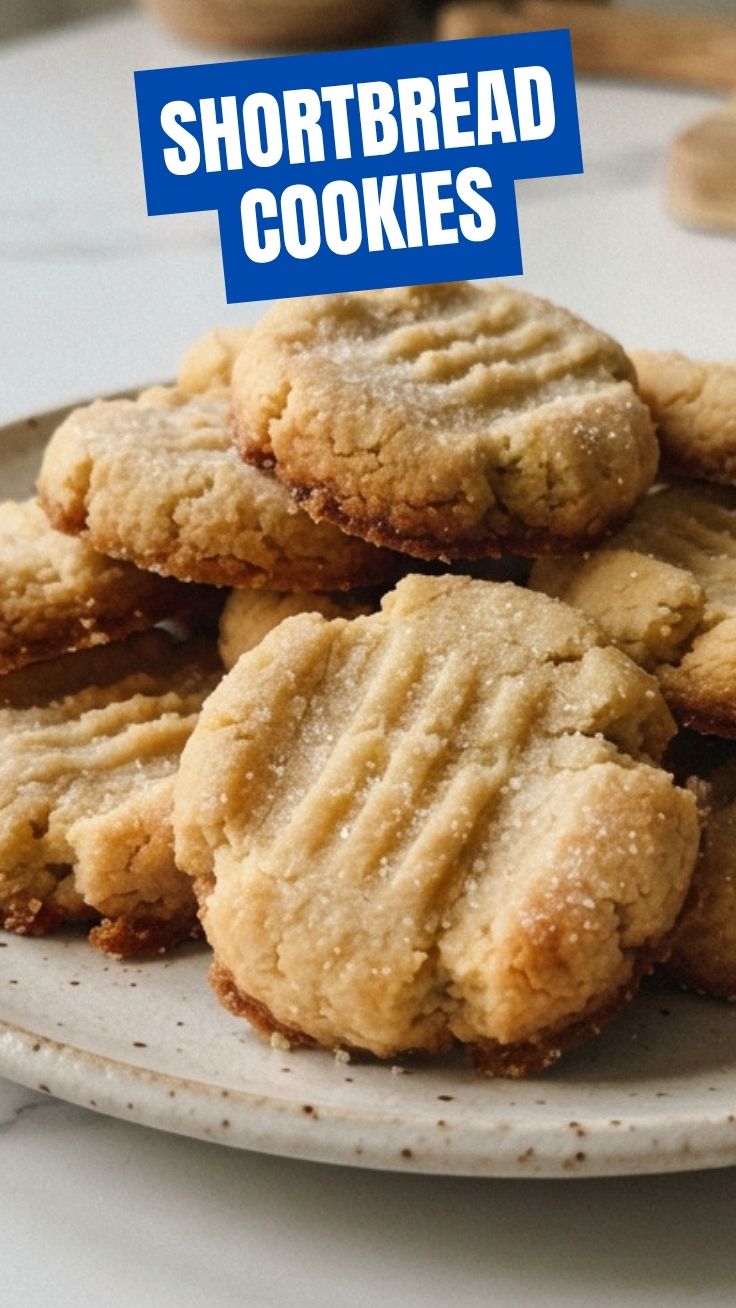
There’s a reason this classic has survived for centuries: when made correctly, shortbread cookies are the perfect balance of rich, buttery flavor and delicate, tender crumb. With just three main ingredients and a little patience, you can create a treat that feels both nostalgic and luxurious. The secret lies in the details—chilling the dough, scoring before baking, and using cold butter. Whether you enjoy it plain, dipped in dark chocolate, or paired with fresh berries, this butter shortbread recipe is your gateway to countless creative variations. We’d love to hear how yours turned out! Share a photo of your golden wedges in the comments, or tag us on social media. And if you’re craving more classic baking recipes, check out our guide to buttery scones next!
FAQs
1. Can I use salted butter instead of unsalted?
Yes, but reduce or omit the added salt. Salted butter typically contains about ¼ teaspoon salt per stick, so adjust accordingly. For the best control over flavor, stick with unsalted.
2. Why did my shortbread turn out too hard and dry?
This usually means the dough was overworked (developing gluten) or baked too long. Next time, mix just until combined and check for doneness at 30 minutes. Also, be sure to use powdered sugar – granulated alone can cause a sandier, harder texture.
3. Can I add chocolate chips or dried fruit?
Yes! Fold in up to ½ cup mini chocolate chips or finely chopped dried cherries after the flour is mixed in. Chilled dough might crack when pressing fruit into it, so work gently.
4. How do I prevent shortbread from sticking to the pan?
Line your pan with parchment paper (overhanging helps) or use a non-stick pan. Buttering and flouring the pan works, but parchment is more reliable. If scoring in a tart pan, lightly grease the fluted edges.
5. My shortbread browned too much on the bottom but was pale on top. What went wrong?
Your oven’s bottom heating element is too strong. Place the pan on an upper rack (not the bottom third), and if needed, place a baking sheet on the rack below to diffuse heat. You can also bake on a silicone mat.
6. Can I make the dough ahead and refrigerate overnight?
Absolutely. Wrap the pressed dough in the pan tightly with plastic wrap and refrigerate up to 3 days. Bring to room temperature for 10 minutes before scoring and baking.
Best way to grow 3 Shortbread Cookies
Ingredients
Equipment
Method
- Preheat your oven to 350°F (175°C) and line a baking sheet with parchment paper.
- In a large bowl, cream together the softened butter and granulated sugar until light and fluffy.
- Gradually add the all-purpose flour to the butter mixture, mixing until just combined and a soft dough forms.
- On a lightly floured surface, roll out the dough to about 1/4-inch thickness and cut into desired shapes.
- Place the cookies on the prepared baking sheet and bake for 12-15 minutes, or until the edges are lightly golden.
- Let the cookies cool on the baking sheet for a few minutes before transferring them to a wire rack to cool completely.