Master the Grill This Father’s Day: The Ultimate Ribeye Steak Guide
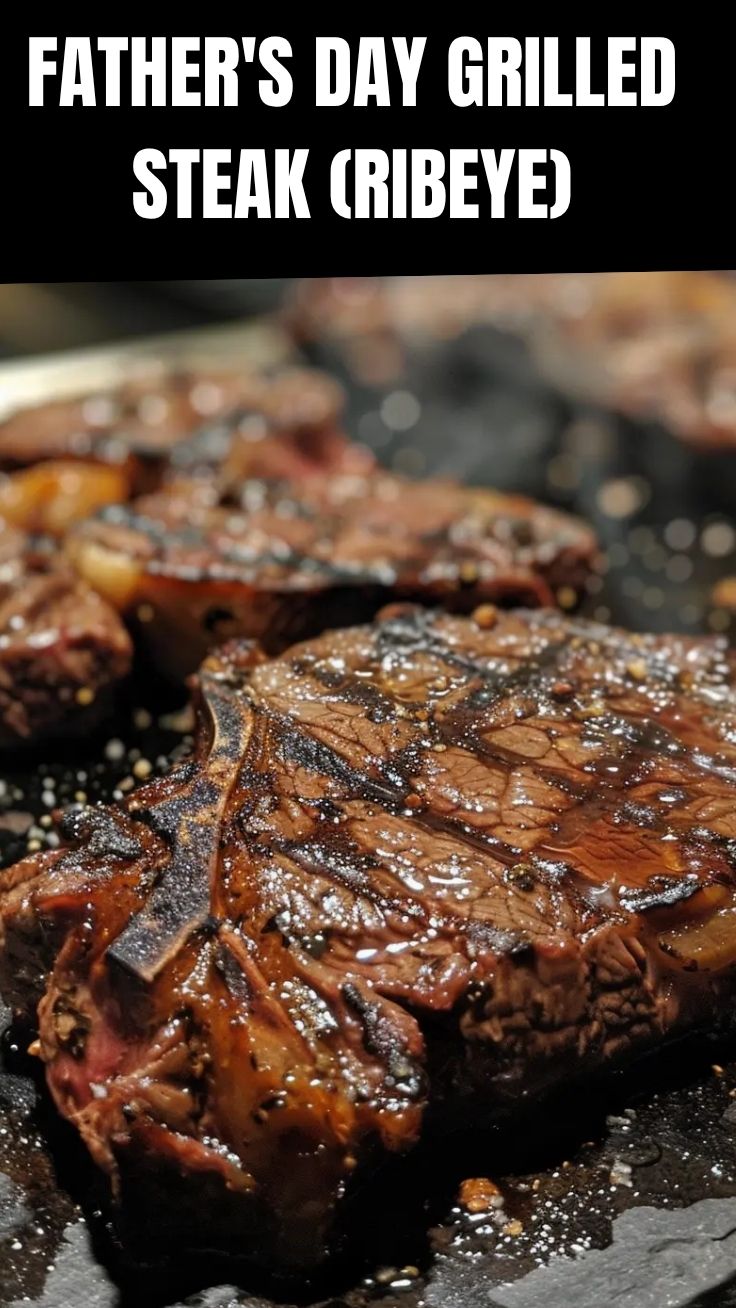
Tired of the same old Father’s Day gifts? This year, why not give Dad the gift of an unforgettable meal? There’s nothing quite like the smoky aroma and incredible flavor of a perfectly grilled steak to show appreciation. Preparing a magnificent Father’s Day Grilled Steak (Ribeye) at home offers immense value, from the personal touch of a home-cooked meal to the superior quality you can control. Forget crowded restaurants and enjoy a culinary experience that will impress. Learning to master Ribeye recipes ensures you can bring this level of deliciousness to any occasion, making every gathering special.
Ingredients & Kitchen Tools
Gathering the right ingredients and tools is the first step to grilling perfection.
Ribeye Steaks: Two 1.5-inch thick bone-in or boneless ribeye steaks (approx. 1.5-2 lbs each). Choose well-marbled steaks for maximum flavor and tenderness.*
Olive Oil: 2 tablespoons. Used as a binder for seasoning and to prevent sticking.*
Coarse Sea Salt: 1 tablespoon. Essential for creating a flavorful crust.*
Freshly Ground Black Pepper: 1 tablespoon. Adds pungent warmth to the seasoning.*
Garlic Powder: 1 teaspoon. Provides a subtle, savory base.*
Onion Powder: 1 teaspoon. Enhances the savory profile.*
Butter: 4 tablespoons, unsalted. For basting the steak to add richness and flavor.*
Fresh Rosemary Sprigs: 2-3 sprigs. Infuses a fragrant, herbaceous note during basting.*
Fresh Thyme Sprigs: 2-3 sprigs. Complements rosemary with an earthy aroma.*
Garlic Cloves: 3-4 cloves, smashed. Releases intense garlic flavor into the butter.*
Meat Thermometer: Instant-read digital thermometer. Crucial for achieving perfect doneness.*
Grill: Charcoal or gas grill. Ensures even cooking and the signature smoky flavor.*
Tongs: Long-handled. For safely flipping steaks on the hot grill.*
Basting Brush: Silicone or natural bristles. For applying flavored butter during cooking.*
Cutting Board: Large, with a juice groove. To rest and slice the steak without losing juices.*
Sharp Knife: Chef’s knife or carving knife. For clean, even slices.*
Prep Time & Cooking Schedule
- Prep Time: 15 minutes
Marinating Time (Optional): 30 minutes to 2 hours (at room temperature) or overnight (refrigerated). Allowing steaks to come to room temperature before grilling promotes more even cooking.*
- Cook Time: 10-15 minutes (for medium-rare to medium)
Resting Time: 10 minutes. Absolutely essential for juicy, tender results.*
Plan to start your grilling process about an hour before you want to serve, including the crucial resting time. If marinating, remember to factor that into your overall schedule.
Step-by-Step Instructions
1. Bring Steaks to Room Temperature: Remove the ribeye steaks from the refrigerator 30-60 minutes before grilling. Pat them thoroughly dry with paper towels. This ensures a better sear and more even cooking.
2. Season Generously: Drizzle olive oil over both sides of the steaks. In a small bowl, combine sea salt, black pepper, garlic powder, and onion powder. Season the steaks generously on all sides, pressing the seasoning into the meat.
3. Preheat Your Grill: For a Father’s Day Grilled Steak (Ribeye), aim for high heat. If using a gas grill, preheat to 450-500°F (230-260°C). For a charcoal grill, create a two-zone fire with one side very hot and the other cooler.
4. Sear the Steaks: Place the seasoned ribeye steaks directly over the hottest part of the grill. Sear for 2-3 minutes per side until a beautiful, dark crust forms.
5. Indirect Cooking & Basting: Move the steaks to the cooler side of the grill (if using charcoal) or reduce the heat to medium-low (gas grill). In a small saucepan, melt butter with smashed garlic cloves, rosemary, and thyme springs.
6. Baste and Cook to Desired Doneness: Using a basting brush, generously baste the steaks with the herb butter every 1-2 minutes. Continue cooking, flipping occasionally, until your desired internal temperature is reached.
* Rare: 125°F (52°C)
Medium-Rare: 130-135°F (54-57°C) – Recommended for optimal flavor and tenderness.*
* Medium: 135-140°F (57-60°C)
* Medium-Well: 140-145°F (60-63°C)
Remember, the temperature will rise by 5-10 degrees during resting.* Mastering Ribeye recipes means paying close attention to these temperatures.
7. Rest the Steaks: Transfer the cooked steaks to a cutting board. Tent loosely with foil and let them rest for at least 10 minutes. This allows the juices to redistribute, ensuring a tender and moist steak.
8. Slice and Serve: Slice the rested steaks against the grain into thick pieces. Serve immediately with your favorite sides.
Nutritional Benefits & Advantages
Ribeye steak, while known for its rich flavor, also offers significant nutritional benefits. It’s an excellent source of high-quality protein, essential for muscle repair and growth. Rich in iron, zinc, and B vitamins (especially B12), ribeye contributes to energy production, immune function, and overall cellular health. The marbling, which gives ribeye its signature tenderness, also contains monounsaturated fats, which in moderation can be part of a heart-healthy diet. Preparing it at home allows you to control seasoning and avoid excessive sodium often found in restaurant dishes.
Tips Variations & Cooking Advice
- Flavor Boost: Add a pinch of smoked paprika or a dash of Worcestershire sauce to your seasoning blend for an extra depth of flavor.
- Compound Butter: Prepare a compound butter in advance with herbs, garlic, and even blue cheese. Place a slice on the hot steak just before resting for an extra burst of flavor.
- Alternative Cooking: If grilling isn’t an option, you can pan-sear and finish in the oven, or cook in a cast-iron skillet on the stovetop.
- Thinner Steaks: Adjust cooking times for thinner steaks (e.g., 1-inch thick), reducing searing time.
- Dietary Adaptations: Serve with gluten-free sides such as roasted vegetables or a fresh salad. For lower sodium, reduce the amount of sea salt in the seasoning.
Common Mistakes to Avoid
- Not Letting Steaks Come to Room Temperature: Cold steaks cook unevenly, often resulting in a well-done exterior and a rare interior.
- Insufficient Patting Dry: Moisture on the surface prevents a good sear. Always pat steaks very dry before seasoning.
- Undercooking or Overcooking: Not using a meat thermometer is the quickest way to ruin a good steak. Invest in an instant-read thermometer.
- Not Resting the Steak: Cutting into a steak immediately after cooking causes all the delicious juices to run out, leading to dry meat.
- Flipping Too Often: Resist the urge to constantly flip. Let the steak develop a crust on each side before turning.
Storage & Meal Prep Tips
- Refrigeration: Leftover grilled ribeye can be stored in an airtight container in the refrigerator for up to 3-4 days.
- Freezing: For longer storage, wrap slices tightly in plastic wrap and then foil, or place in a freezer-safe bag. It can be frozen for up to 2-3 months. Thaw overnight in the refrigerator before reheating.
- Reheating: To maintain tenderness, gently reheat leftover steak. The best methods are in a lightly oiled pan over medium-low heat until just warmed through, or in the oven at 300°F (150°C) wrapped in foil. Avoid microwaving, as it can make the steak tough and dry.
- Meal Prep Uses: Leftover ribeye is fantastic sliced cold for salads, sandwiches, or even tacos the next day.
Conclusion
Creating the perfect Father’s Day Grilled Steak (Ribeye) is a truly rewarding experience that’s simpler than you might imagine. With the right techniques and a little practice, you can consistently achieve restaurant-quality results in your own backyard. This guide empowers you to not only grill an exceptional ribeye but also to confidently explore various Ribeye recipes, making you a master of the grill. Impress Dad, treat your family, and savor the rich flavors of a perfectly cooked steak. Give this recipe a try and share your grilling triumphs!
FAQs
Q1: How do I choose a good ribeye steak?
A1: Look for ribeye steaks with ample marbling (flecks of fat distributed throughout the meat). This fat renders during cooking, adding flavor and tenderness. Also, opt for a steak that is at least 1.5 inches thick for easier cooking to your desired doneness without overcooking the exterior.
Q2: What’s the best way to tell if my steak is done without a thermometer?
A2: While a meat thermometer is highly recommended for accuracy, you can use the “palm test” for an estimation. Gently press the steak with your finger: rare feels like the soft part of your palm below your thumb; medium-rare is firmer, like pressing your palm around the base of your thumb; medium is firmer still, like touching your thumb to your middle finger.
Q3: Can I use different herbs for basting?
A3: Absolutely! While rosemary and thyme are classic, you can experiment with other fresh herbs like sage, oregano, or even a bay leaf. Consider what flavors would complement your side dishes.
Q4: My grill tends to flare up; how can I prevent this?
A4: Flare-ups are often caused by fat dripping onto hot coals or burners. Trim excess fat from the edges of your steak before grilling. If a flare-up occurs, move the steak to a cooler part of the grill or temporarily remove it until the flames subside. Keep a spray bottle of water nearby for minor flare-ups.
Q5: What are good sides to serve with grilled ribeye?
A5: Classic pairings include grilled asparagus, corn on the cob, mashed potatoes, a fresh garden salad, or roasted root vegetables. Consider a chimichurri sauce or a rich mushroom sauce to complement the steak’s flavor.
Best way to grow a Father's Day Grilled Steak (Ribeye)
Ingredients
Equipment
Method
- Take the ribeye steak out of the refrigerator, pat it dry with paper towels, and let it come to room temperature for about 30 minutes.
- In a small bowl, mix together kosher salt, black pepper, and garlic powder to create your seasoning blend.
- Drizzle olive oil over both sides of the steak, then generously rub the seasoning blend evenly onto the steak.
- Preheat your grill to high heat (about 450-500°F or 230-260°C) and clean the grates thoroughly.
- Place the seasoned steak on the hot grill and cook for 4-5 minutes per side for medium-rare, or adjust according to your desired doneness.
- For optimal char marks, rotate the steak 90 degrees halfway through cooking on each side without flipping.
- Use a meat thermometer to check the internal temperature: 130-135°F (54-57°C) for medium-rare, 135-140°F (57-60°C) for medium, and 140-145°F (60-63°C) for medium-well.
- Once cooked to your liking, remove the steak from the grill and place it on a cutting board, then tent it loosely with aluminum foil.
- Allow the steak to rest for 5-10 minutes before slicing against the grain and serving.