The Ultimate Guide to Perfectly Creamy Mashed Potatoes & Rich Gravy
Have you ever wondered why restaurant-style mashed potatoes taste so much better than the lumpy, gluey versions that often come from home kitchens? The secret isn’t a fancy technique or expensive ingredients—it’s understanding a few simple principles of starch chemistry and temperature control. Preparing this classic comfort dish at home not only saves money but also allows you to customize the texture and flavor exactly to your liking. In this comprehensive guide, I’ll show you how to achieve silky, buttery Mashed Potatoes that are so good, they could steal the spotlight from the main course. The key lies in choosing the right potato variety and mastering the gentle handling of starches, all while keeping your gravy smooth and lump-free.
Ingredients & Kitchen Tools
Potatoes (2 lbs, preferably Yukon Gold or Russet): Yukon Golds offer natural buttery flavor and creamy texture, while Russets give fluffy, light results. Avoid waxy potatoes like red or new potatoes—they won’t mash well.
Unsalted Butter (½ cup, 1 stick): Use high-quality butter for the best flavor. Unsalted allows you to control salt levels precisely.
Whole Milk or Heavy Cream (½–¾ cup): Warm the dairy before adding to prevent shocking the potatoes. Heavy cream gives richer results; milk is lighter.
Salt (1–2 teaspoons, plus more for boiling water): Season generously. Use kosher salt for best results.
Black Pepper (½ teaspoon freshly ground): Freshly ground pepper adds aromatic warmth.
Garlic (2–3 cloves, optional): Roast or simmer cloves in the milk for a subtle garlic flavor.
Kitchen Tools: Large pot, vegetable peeler (or leave skins on for rustic texture), potato masher or ricer, colander, measuring cups, wooden spoon, and a small saucepan for warming dairy.
Optional Substitutions: Use plant-based butter and oat milk for dairy-free version. Substitute cauliflower for half the potatoes to lower carbs.
Prep Time & Cooking Schedule
– Prep Time: 15 minutes (peeling, chopping, measuring)
– Cook Time: 20–25 minutes (boiling)
– Mashing & Serving: 10 minutes
– Total Time: 45–50 minutes
Context: The actual hands-on work is minimal—most of the time is spent waiting for water to boil. You can prepare the gravy while potatoes cook to maximize efficiency. Potatoes should be served immediately for best texture, but they hold well in a warm oven for up to 30 minutes.
Pro Planning Tip: Cut potatoes into uniform 1½-inch chunks to ensure even cooking. Start your gravy after the potatoes go into the boiling water—both will finish at the same time.
Step-by-Step Instructions
Step 1: Prepare the Potatoes
Peel 2 pounds of Yukon Gold potatoes and cut them into even 1½-inch cubes. Place cut potatoes in a large bowl and cover with cold water. Swirl to release surface starch, then drain. This removes excess starch that can cause gummy texture.
Step 2: Boil in Salted Water
Transfer potatoes to a large pot and cover with cold water by 1 inch. Add 1 tablespoon of kosher salt. Bring to a boil over high heat, then reduce to a simmer. Cook for 15–20 minutes until a knife pierces through without resistance—the center should be completely tender but not waterlogged.
Step 3: Drain and Dry
Drain potatoes in a colander and return them to the hot pot. Place the pot back on the stove over low heat for 30–60 seconds, shaking gently to evaporate residual moisture. This drying step is crucial for preventing watery mashed potatoes.
Step 4: Warm the Dairy
While potatoes dry, heat ½ cup whole milk and 4 tablespoons of butter in a small saucepan until butter melts and mixture is warm to the touch (not boiling). Warm dairy incorporates better and keeps the mash hot.
Step 5: Mash and Season
Remove potatoes from heat. Add half the warm dairy mixture and begin mashing with a potato masher or ricer. Use gentle circular motions—over-mashing develops gluten and creates gluey texture. Gradually add remaining dairy until you reach desired consistency. This is where you’ll perfect your Mashed Potatoes—season with 1 teaspoon salt and ½ teaspoon white pepper. Continue to taste and adjust.
Step 6: Finish and Serve
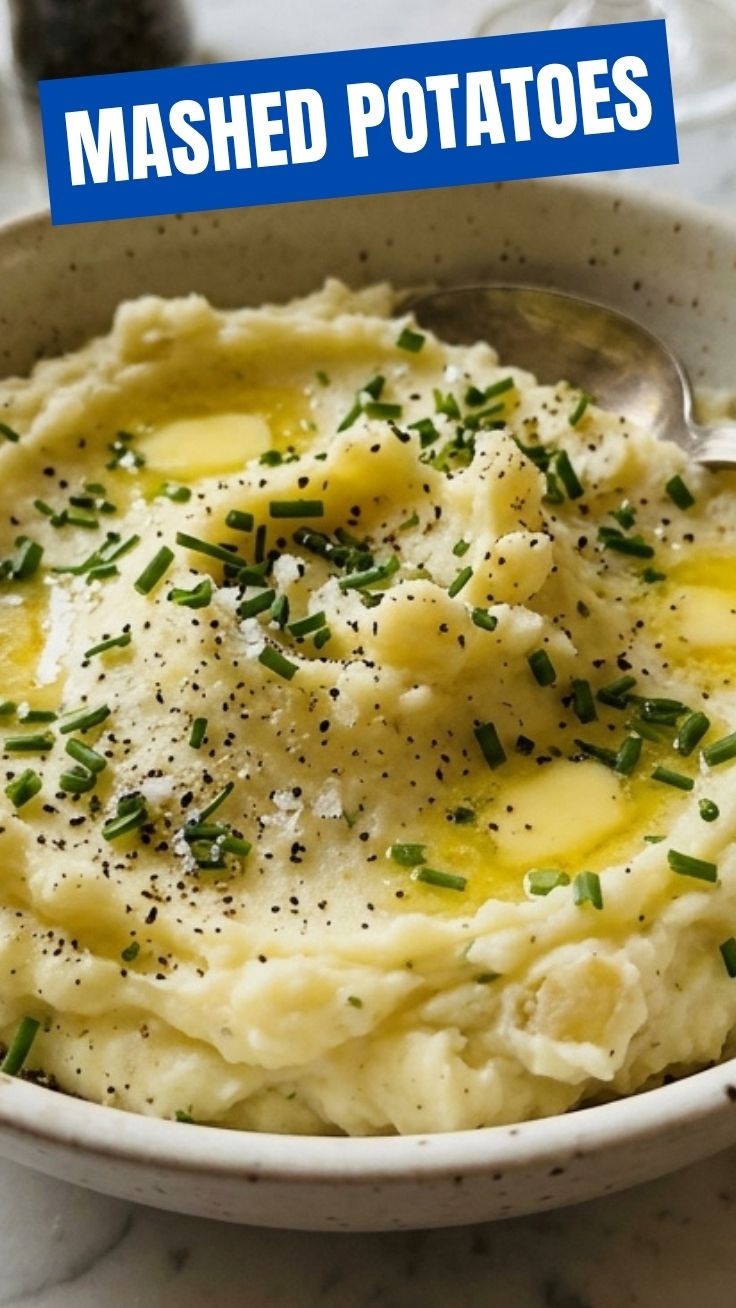
Fold in remaining butter pieces and a splash of warm gravy if desired for extra richness. Taste and adjust seasoning one final time. Serve immediately in a warm bowl, topped with additional butter and fresh chives.
Temperature & Texture Cues: Potatoes should be just warm when mashing—not hot enough to burn you, but not cool. The finished texture should be smooth with very small lumps; think “cream cheese,” not “paste.”
Nutritional Benefits & Advantages
A serving of mashed potatoes (about 1 cup) provides approximately 237 calories, 9g fat, 36g carbohydrates, and 4g protein. Despite their reputation, potatoes offer significant nutritional value:
– Potassium (620mg per serving): More than a banana, supporting heart health and muscle function.
– Vitamin C (27% DV): Immune-boosting antioxidant that survives cooking if you don’t over-boil.
– Vitamin B6 (20% DV): Supports brain development and energy metabolism.
– Fiber (3g with skin on): Adding some unpeeled potatoes increases satiety and gut health.
The addition of butter and milk provides fat-soluble vitamins A, D, and E while improving absorption of nutrients. For a lighter option, substitute Greek yogurt for some of the butter to boost protein while reducing saturated fat.
Tips, Variations & Cooking Advice
Flavor Variations:
– Garlic & Herb: Simmer 3 cloves of garlic in the milk while heating, then mash into potatoes. Fold in fresh rosemary or thyme.
– Truffle: Drizzle truffle oil over finished potatoes for an elegant appetizer version.
– Loaded: Stir in shredded cheddar, crumbled bacon, and sliced green onions (add these to your gravy for extra decadence).
Dietary Adaptations:
– Dairy-Free: Use oat milk and vegan butter. Add 2 tablespoons of nutritional yeast for cheesy flavor.
– Low-Carb: Replace half the potatoes with steamed cauliflower—roast cauliflower first for best flavor.
– Gluten-Free: This recipe is naturally gluten-free, but check your gravy ingredients if using a premade mix.
Alternative Methods:
– Baked Potatoes: Bake whole potatoes, scoop out flesh, and mash—this creates the fluffiest texture.
– Instant Pot: Pressure cook whole potatoes for 12 minutes, then mash immediately—saves 10 minutes and prevents waterlogging.
– Food Mill: For ultra-smooth potatoes, pass through a food mill instead of mashing by hand.
Portion Changes: To serve 8 people, double ingredients and use a larger pot. Keep dairy ratios consistent.
Common Mistakes to Avoid
1. Overworking the Potatoes
Mashing too vigorously or using a food processor activates gluten and breaks starch cells, releasing excess starch that turns potatoes into a gluey paste. Solution: Use a ricer, food mill, or gentle hand-mashing. Stop as soon as the ingredients are combined.
2. Starting with Cold Water
Placing potatoes in hot water causes the outside to cook faster than the inside, leading to uneven texture. Solution: Always start peeled, cut potatoes in cold water, then bring to a boil together.
3. Adding Cold Dairy
Cold milk or butter cools down the potatoes, requiring extra mixing to reheat and resulting in a gummy, heavy mash. Solution: Warm dairy to at least 120°F before adding.
4. Skipping the Drying Step
Residual water in potatoes after draining dilutes the butter and milk, forcing you to add more dairy to compensate—which throws off the starch balance. Solution: Always steam-dry potatoes in the hot pot for 30–60 seconds.
5. Under-Seasoning the Boiling Water
Potatoes absorb flavor from salted water as they cook. Without salt, mashed potatoes taste flat regardless of how much you add later. Solution: Use 1 tablespoon kosher salt per quart of water.
Storage & Meal Prep Tips
Refrigeration: Store leftover mashed potatoes in an airtight container for up to 4 days. Place plastic wrap directly on the surface to prevent a skin from forming.
Freezing: Mashed potatoes freeze exceptionally well. Portion into freezer-safe bags or containers, pressing out excess air. They’ll keep for 3 months. Thaw overnight in the refrigerator before reheating.
Reheating: The best method is in a saucepan over low heat, adding a splash of milk or cream while stirring constantly. Microwave works in a pinch—cover with a damp paper towel and heat in 30-second bursts, stirring between each.
Pro Tip for Reheating from Frozen: Transfer frozen mashed potatoes to a baking dish, dot with butter, cover with foil, and bake at 350°F for 20–25 minutes. This restores nearly fresh texture.
Meal Prep Strategy: Make mashed potatoes up to 2 days ahead, then reheat with extra butter for serving. The starches will have time to settle, making them even smoother.
Conclusion
Perfecting Mashed Potatoes at home is about respecting the starch structure of the potato and paying attention to temperature at every step—from cold-water start to warm-dairy finish. The beauty of this recipe lies in its simplicity: quality ingredients, gentle handling, and a few specific techniques transform humble potatoes into a dish worthy of both weeknight dinners and holiday tables. Whether you serve them alongside rich gravy or keep them simple with just butter and salt, these mashed potatoes deliver comfort and satisfaction every time.
Have you tried this recipe? Share your results in the comments below—I’d love to hear about your favorite variations or any tips you’ve discovered along the way. Don’t forget to explore our other classic comfort recipes for more kitchen confidence.
FAQs
1. Can I use red potatoes for mashed potatoes?
Red potatoes are waxy and contain less starch, resulting in a denser, gummier texture. They’re better for potato salads or roasted dishes. For fluffy mashed potatoes, stick with starchy varieties like Russet or Yukon Gold.
2. Why are my mashed potatoes gluey?
Gluey texture usually comes from over-mashing, which releases excess starch. Use a ricer or food mill for best results, and stop mixing as soon as ingredients are combined. Also, avoid waxy potatoes and never use a food processor.
3. Can I make mashed potatoes without dairy?
Absolutely! Use plant-based butter and unsweetened oat milk or cashew cream. For extra richness, add 2 tablespoons of nutritional yeast or a splash of olive oil. The texture will be slightly less creamy but still delicious.
4. How do I keep mashed potatoes warm for a dinner party?
Transfer mashed potatoes to a slow cooker set to “warm” setting, or place the serving bowl in a pan of hot water. Stir every 10 minutes and add a splash of hot milk if they start to dry out. They’ll hold perfectly for up to 2 hours.
5. Can I add cream cheese to mashed potatoes?
Yes! Cream cheese adds tanginess and an ultra-smooth texture. Add 4 ounces of softened cream cheese after mashing, and reduce the butter to 4 tablespoons. This is a classic twist that creates a richer, more decadent side dish.
Quick way to grow 7 lbs of Mashed Potatoes
Ingredients
Equipment
Method
- Wash and peel the potatoes, then cut them into roughly 1-inch cubes.
- Place the cubed potatoes in a large pot and cover with cold, salted water.
- Bring the water to a boil and cook until the potatoes are very tender, about 15-20 minutes.
- Drain the cooked potatoes thoroughly in a colander.
- Return the drained potatoes to the hot pot and add butter, milk, salt, and pepper.
- Mash the potatoes with a potato masher or an electric mixer until smooth and creamy.
- Taste and adjust seasonings as needed, then serve hot.