What If Your Next Comfort Food Was Actually Packed With Fiber and Flavor?
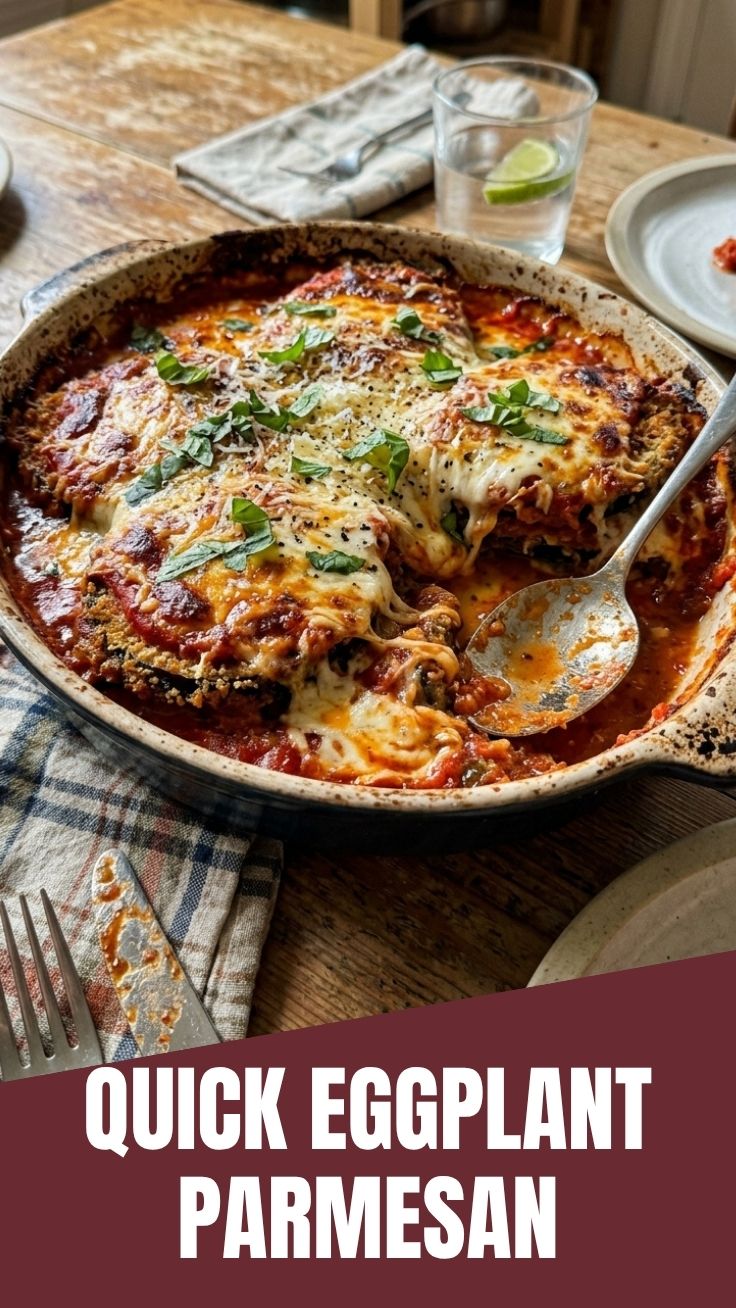
Imagine pulling a golden, bubbling casserole from the oven—crispy on the edges, tender in the middle, and absolutely smothered in rich marinara and melted cheese. This is the magic of homemade Eggplant Parmesan. While it’s a classic Italian-American staple, preparing it at home offers unmatched control over ingredients, salt levels, and overall quality. You avoid the soggy, greasy disappointments of restaurant versions and instead create a dish that’s crispy, flavorful, and satisfying. In fact, building this casserole is remarkably similar to assembling a hearty lasagna, with each layer contributing to a perfect final bite. This homemade approach not only saves money but lets you adapt the recipe to your dietary needs without sacrificing taste.
Ingredients & Kitchen Tools
Required Ingredients
– 2 large eggplants (about 2 lbs total) – Choose firm, glossy eggplants with no blemishes
– 2 cups marinara sauce – Homemade or quality store-bought
– 2 cups shredded mozzarella – Low-moisture works best for melting
– 1 cup grated Parmesan – Freshly grated for superior flavor
– 1 cup seasoned breadcrumbs – Panko gives extra crunch
– 2 large eggs – For the breading station
– 1/2 cup all-purpose flour – Helps breading adhere
– 3 tbsp olive oil – For brushing or frying
– Salt and black pepper – To taste
– Fresh basil leaves – For garnish
Required Kitchen Tools
– Large baking sheet or sheet pan
– 9×13 inch baking dish
– Three shallow bowls (for breading station)
– Sharp knife and cutting board
– Paper towels
– Tongs or spatula
– Measuring cups and spoons
Optional Substitutions
– Gluten-free breadcrumbs for GF version
– Vegan mozzarella and nutritional yeast for dairy-free
– Zucchini slices can replace half the eggplant
Prep Time & Cooking Schedule
Total time: 1 hour 30 minutes
– Salting time: 30 minutes (draws out bitterness and moisture)
– Prep time: 15 minutes (slicing, setting up breading station)
– Cooking time: 30 minutes (baking breaded slices)
– Assembly & baking: 25 minutes at 375°F
– Resting time: 10 minutes before serving
Plan accordingly: start salting the eggplant first, then prepare your sauce and cheese while it rests. This staggered approach ensures everything comes together smoothly without last-minute rushing.
Step-by-Step Instructions
Step 1: Prepare the Eggplant
Slice eggplants into 1/2-inch rounds. Sprinkle both sides generously with salt and arrange on paper towels. Let sit for 30 minutes—you’ll see moisture beads form. Pat dry completely. This step prevents bitterness and ensures crispy results.
Step 2: Set Up Breading Station
Place flour in one shallow bowl, beaten eggs in another, and breadcrumbs mixed with 1/4 cup Parmesan in the third. Season each layer lightly with pepper.
Step 3: Bread the Slices
Dredge each eggplant round first in flour (shake off excess), then dip in egg, then coat thoroughly with breadcrumb mixture. Press gently to adhere.
Step 4: Bake Instead of Fry
Arrange breaded slices on a greased baking sheet. Brush tops with olive oil. Bake at 400°F for 15 minutes, flip, brush again, and bake 10-15 more minutes until golden and crispy.
Step 5: Layer Like a lasagna
Spread 1/2 cup sauce in your baking dish. Layer half the eggplant slices, then half the remaining sauce, mozzarella, and Parmesan. Repeat layers. Top with remaining cheese.
Step 6: Bake Until Bubbly
Cover with foil and bake at 375°F for 20 minutes. Remove foil and bake 5-10 more minutes until cheese is golden and bubbly. Let rest 10 minutes before slicing. This homemade Eggplant Parmesan should have edges that bubble and a center that’s piping hot.
Nutritional Benefits & Advantages
Eggplant Parmesan offers surprising nutritional value despite its indulgent reputation. Eggplant is rich in fiber, which supports digestive health and helps maintain steady blood sugar levels. It also contains nasunin, a powerful antioxidant found in the purple skin that protects brain cell membranes. When baked rather than fried, this dish becomes lower in unhealthy fats while retaining satisfying texture. The tomato sauce provides lycopene, another antioxidant linked to heart health. Combined with calcium-rich cheese, this meal delivers bone-supporting nutrients along with plant-based fiber.
Tips Variations & Cooking Advice
Flavor Variations:
– Add a layer of sautéed spinach between eggplant slices for extra nutrients
– Use smoked mozzarella or provolone for deeper, richer flavor
– Sprinkle red pepper flakes into the breadcrumbs for heat
Dietary Adaptations:
– Gluten-free: Use almond flour or gluten-free breadcrumbs; check that marinara is GF
– Dairy-free: Replace mozzarella with cashew-based cheese and use nutritional yeast in breadcrumbs
– Lower carb: Skip breadcrumbs entirely and use a Parmesan-herb coating instead
Cooking Methods:
– Air fryer: Cook breaded slices at 375°F for 8-10 minutes, flipping halfway
– No-fry method: Skip breading entirely and grill eggplant slices before layering
Portion Changes:
– For meal prep, assemble in individual ramekins for grab-and-go portions
Common Mistakes to Avoid
Skipping the salting step – This leads to bitter, watery eggplant that turns soggy during baking.
Overcrowding the baking sheet – Slices need space for air to circulate; overcrowding creates steaming instead of crisping.
Using too much sauce – A heavy hand with marinara makes the casserole soupy rather than structured. Stick to thin, even layers.
Not pre-baking the slices – Raw breaded eggplant won’t crisp properly in the casserole; pre-baking is non-negotiable.
Cutting into the dish immediately – Letting it rest allows layers to set, preventing a sloppy mess when serving.
Storage & Meal Prep Tips
Refrigeration: Store leftovers in an airtight container for up to 4 days. Place parchment between layers to prevent sticking.
Freezing: Assemble the unbaked casserole (leave off final cheese layer), wrap tightly in plastic wrap then foil, and freeze for up to 3 months. Thaw overnight in the refrigerator before baking.
Reheating: For best texture, reheat in a 350°F oven for 15-20 minutes. The microwave works in a pinch but will soften the crispy exterior. If using microwave, reheat in 30-second bursts and finish under the broiler for 1-2 minutes.
Meal prep: Bake individual portions in small dishes, cool completely, and freeze for quick lunches throughout the week.
Conclusion
This homemade version of a classic Italian-American favorite delivers all the comfort you crave with none of the guilt. By baking instead of frying, salting properly, and layering thoughtfully, you achieve that perfect balance of crispy exterior and tender interior that defines exceptional Eggplant Parmesan. The process mirrors assembling a satisfying lasagna, making it approachable even for novice cooks. Whether you’re feeding a crowd or meal-prepping for the week, this recipe delivers consistent, crowd-pleasing results. Try it this weekend, experiment with variations, and share your creations—you might just discover your new favorite comfort food.
FAQs
Can I skip peeling the eggplant?
Yes, the skin is edible and contains beneficial antioxidants. However, if you prefer a more tender texture, peel stripes or remove entirely.
How do I know when the eggplant is properly salted?
You’ll see beads of moisture forming on the surface after 20-30 minutes. The slices should feel slightly flexible but not mushy when you pat them dry.
What’s the best gluten-free breadcrumb option?
Panko-style gluten-free breadcrumbs work beautifully. Alternatively, crushed pork rinds or almond meal create a keto-friendly coating.
Can I freeze this dish after baking?
Absolutely. Cool completely, wrap tightly, and freeze for up to 3 months. Reheat directly from frozen at 350°F for 30-40 minutes.
How do I prevent the bottom layer from getting soggy?
Pre-bake the eggplant slices until crispy, use a thin layer of sauce at the bottom, and never skip the resting time after baking.
Proven way to grow the perfect Eggplant Parmesan
Ingredients
Equipment
Method
- Choose a sunny spot in your garden with well-draining soil and incorporate compost or aged manure to enrich it.
- Plant eggplant seeds indoors 6-8 weeks before the last frost date, or transplant seedlings outdoors once soil temperatures reach 65-70°F (18-21°C).
- Space plants 24-36 inches apart and water thoroughly after planting.
- Water regularly, especially during dry spells, aiming for 1-1.5 inches of water per week.
- Apply a slow-release granular fertilizer once a month or use a liquid feed every two weeks.
- Add a 2-inch layer of mulch around the base of the plants to retain moisture and suppress weeds.
- Stake or cage plants as they grow to support the heavy fruits and prevent breakage.
- Inspect plants regularly for pests like flea beetles or aphids, and treat with organic insecticidal soap if necessary.
- Ensure good air circulation to prevent fungal diseases, and remove any affected leavespromptly.
- Consider companion planting with marigolds or nasturtiums to deter pests.
- Harvest eggplants when they are plump, glossy, and firm to the touch, usually 60-80 days after transplanting.
- Cut the stem with a sharp knife or pruners, leaving a 1-inch stem attached to the fruit.
- Harvest regularly to encourage continuous production.