The Ultimate Guide to Perfectly Roasted Asparagus: A Foolproof Recipe for Home Cooks
Have you ever wondered why restaurant-style Roasted Asparagus always turns out tender-crisp and flavorful, while yours often ends up limp or burnt? The secret lies in mastering a few simple techniques that transform this humble vegetable into a show-stopping side dish. Preparing roasted asparagus at home is not only cost-effective but also allows you to control the quality of ingredients and customize flavors to your liking. Whether you’re a seasoned cook or a kitchen novice, this comprehensive guide will walk you through every step to achieve perfect results. We’ll explore the best Asparagus recipes that highlight this spring vegetable’s natural sweetness and earthy notes.
Ingredients & Kitchen Tools
Essential Ingredients
– Fresh asparagus (1 bunch, about 1 lb) – Look for firm, bright green stalks with tightly closed tips. Thicker stalks are easier to roast without overcooking.
– Extra-virgin olive oil (2-3 tablespoons) – Coats the asparagus evenly and promotes caramelization.
– Sea salt (½ teaspoon) – Enhances natural flavors; use flaky salt for finishing.
– Black pepper (¼ teaspoon, freshly ground) – Adds subtle heat and depth.
– Garlic (2-3 cloves, minced) – Optional but recommended for aromatic richness.
– Lemon juice (1 tablespoon, fresh) – Brightens the dish and balances earthiness.
– Parmesan cheese (¼ cup, grated) – Optional for a savory, nutty crust.
Kitchen Tools
– Baking sheet – Rimmed sheet pan prevents oil from dripping.
– Parchment paper or silicone mat – Ensures easy cleanup and prevents sticking.
– Chef’s knife – For trimming woody ends.
– Vegetable peeler – Optional for peeling thick stalks.
– Mixing bowl – For tossing asparagus with oil and seasonings.
– Tongs – For flipping asparagus halfway through roasting.
Optional Substitutions
– Avocado oil instead of olive oil for higher smoke point.
– Smoked paprika or red pepper flakes for a spicy kick.
– Nutritional yeast instead of Parmesan for a dairy-free option.
Prep Time & Cooking Schedule
– Prep time: 10 minutes (washing, trimming, seasoning)
– Cook time: 12-15 minutes at 400°F (200°C)
– Resting time: 2-3 minutes after roasting (allows flavors to settle)
– Total time: Approximately 25 minutes
Planning tip: Roasted asparagus is best served immediately, but you can prep the stalks up to 24 hours in advance by trimming and storing them in a damp paper towel in the refrigerator. This makes it an excellent choice for busy weeknights or holiday meals when oven space is limited.
Step-by-Step Instructions
1. Preheat your oven to 400°F (200°C). Line a rimmed baking sheet with parchment paper for easy cleanup.
2. Prepare the asparagus: Rinse the stalks under cold water and pat dry thoroughly. Snap off the woody ends by holding each stalk at both ends and bending until it breaks naturally—this removes the tough, fibrous part. For thicker stalks, use a vegetable peeler to remove the outer layer from the bottom third.
3. Season the asparagus: In a large mixing bowl, combine the trimmed asparagus with olive oil, salt, pepper, and minced garlic. Toss gently with your hands to ensure even coating. Spread the stalks in a single layer on the prepared baking sheet—crowding will cause steaming instead of roasting.
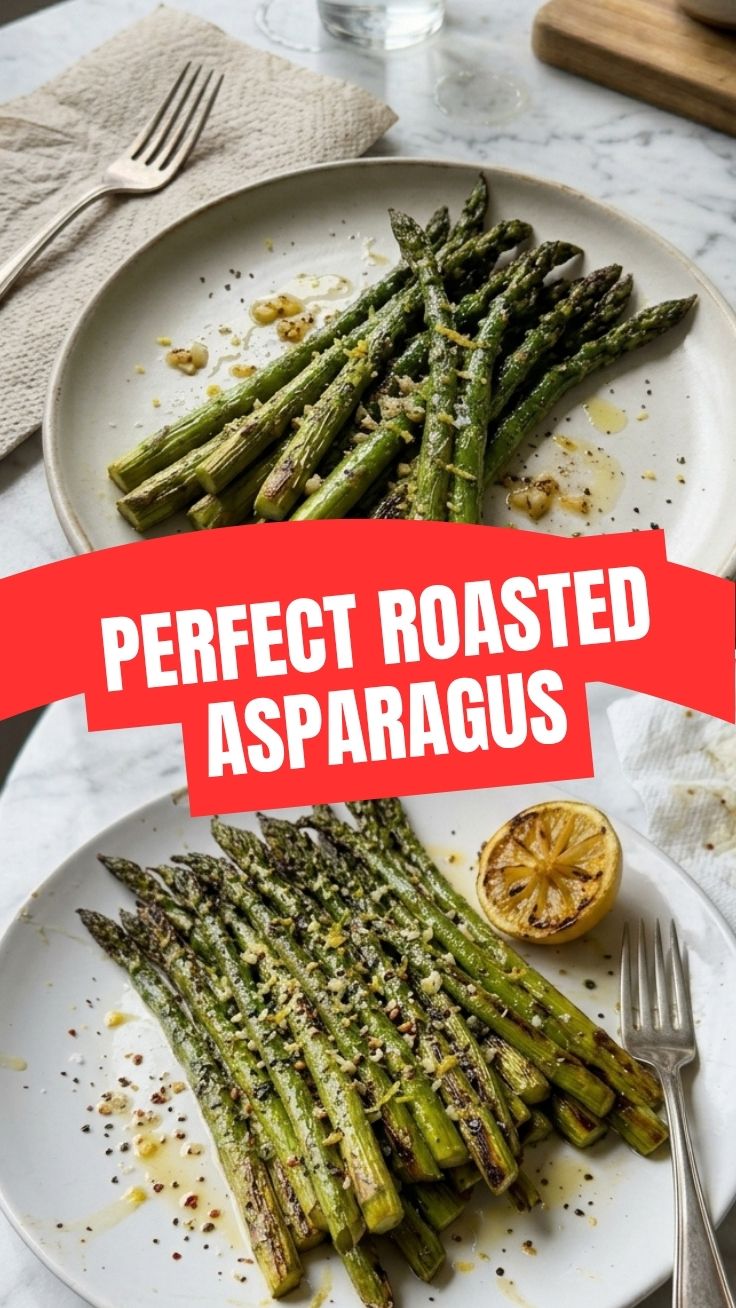
4. Roast to perfection: Place the baking sheet in the preheated oven and roast for 12-15 minutes, depending on thickness. For thin stalks, check at 10 minutes; for thick ones, up to 18 minutes. Halfway through, use tongs to flip the asparagus for even browning. The stalks should be tender when pierced with a fork but still have a slight crunch—this is the hallmark of perfectly Roasted Asparagus.
5. Finish and serve: Remove from the oven and immediately squeeze fresh lemon juice over the top. If using Parmesan, sprinkle it on while the asparagus is still hot so it melts slightly. Transfer to a serving platter and garnish with additional black pepper or lemon zest. For more inspiration, explore other Asparagus recipes that use similar roasting techniques with different seasonings.
Pro tip: For extra caramelization, broil the asparagus for the last 1-2 minutes, watching closely to prevent burning.
Nutritional Benefits & Advantages
Roasted asparagus is a nutritional powerhouse packed with essential vitamins and minerals. One cup (about 134g) provides:
– Vitamin K: 70% of the Daily Value (DV) – crucial for blood clotting and bone health.
– Folate: 34% DV – supports cell growth and DNA synthesis.
– Vitamin A: 18% DV – promotes eye health and immune function.
– Fiber: 3g per serving – aids digestion and promotes satiety.
– Antioxidants: Contains glutathione, a potent antioxidant that helps combat oxidative stress.
This dish is naturally low in calories (about 40 calories per cup) and fits seamlessly into keto, paleo, gluten-free, and low-carb diets. The roasting process enhances the bioavailability of certain nutrients, making them easier for your body to absorb.
Tips Variations & Cooking Advice
Flavor Variations
– Balsamic glaze: Drizzle with balsamic reduction during the last 5 minutes of roasting.
– Herb-infused: Toss with fresh thyme, rosemary, or dill before roasting.
– Asian-inspired: Use sesame oil, soy sauce, and sesame seeds instead of olive oil and salt.
– Lemon-garlic: Increase lemon juice and add lemon zest for a brighter flavor.
Cooking Method Alternatives
– Air fryer: Cook at 375°F (190°C) for 8-10 minutes, shaking halfway through.
– Grill: Place asparagus perpendicular to grill grates over medium-high heat for 6-8 minutes, turning occasionally.
– Sheet pan meal: Roast alongside chicken thighs or salmon for a complete one-pan dinner.
Dietary Adaptations
– Vegan: Omit Parmesan or use nutritional yeast.
– Low-sodium: Reduce salt and use herb blends instead.
– Nut-free: This recipe is naturally nut-free.
Common Mistakes to Avoid
1. Skipping the trimming step: Woody ends are fibrous and unpleasant to eat. Always snap or cut off the bottom 1-2 inches.
2. Overcrowding the pan: Stalks need space to caramelize. Use two baking sheets if necessary.
3. Underseasoning: Asparagus benefits from generous salting—don’t be shy.
4. Overcooking: Asparagus continues to cook after removal from the oven. Remove it when it’s just tender to avoid mushiness.
5. Using wet asparagus: Moisture prevents browning. Pat stalks dry thoroughly after washing.
Storage & Meal Prep Tips
– Refrigeration: Store leftover roasted asparagus in an airtight container for up to 3 days. Place a paper towel in the container to absorb excess moisture.
– Freezing: While possible, freezing alters texture significantly. If you must freeze, blanch fresh asparagus first, then roast after thawing.
– Reheating: For best results, reheat in a 350°F (175°C) oven for 5-7 minutes or in an air fryer at 350°F for 3-4 minutes. Avoid microwaving, which makes stalks soggy.
– Meal prep: Roast a large batch on Sunday and use throughout the week in salads, pasta dishes, or as a quick side.
Conclusion
Mastering Roasted Asparagus is a game-changer for any home cook—it’s simple, versatile, and delivers restaurant-quality results with minimal effort. By following this guide, you’ll consistently achieve tender-crisp stalks with beautifully caramelized edges that complement any main course. Whether you’re serving it alongside grilled steak, roasted chicken, or as part of a vegetarian feast, this technique elevates the humble asparagus to new heights. Don’t stop here—explore more Asparagus recipes to discover how this vegetable can shine in soups, salads, and stir-fries. We’d love to hear about your results! Share your roasted asparagus creations on social media with the hashtag #PerfectAsparagus and tag us for a chance to be featured.
FAQs
Q: Can I use frozen asparagus for roasting?
A: Yes, but thaw and pat dry thoroughly first. Roasting time will be slightly longer (15-18 minutes), and the texture may be less crisp than fresh.
Q: How do I prevent asparagus from becoming soggy?
A: Ensure stalks are completely dry before seasoning, avoid overcrowding the pan, and roast at a high temperature (400°F or higher).
Q: What’s the best way to trim asparagus without a knife?
A: Hold each stalk near the bottom and bend until it snaps naturally—this removes the woody end precisely where it becomes tender.
Q: Can I add other vegetables to the same pan?
A: Absolutely! Bell peppers, cherry tomatoes, and zucchini work well, but adjust cooking times as needed (add denser vegetables earlier).
Q: How do I know when asparagus is done without cutting into it?
A: Look for bright green color with slight browning at the tips. The stalks should be easily pierced with a fork but still hold their shape.
4-Star Roasted Asparagus
Ingredients
Equipment
Method
- Preheat your oven to 400 degrees F (200 degrees C) and prepare a baking sheet.
- In a medium bowl, toss the trimmed asparagus with olive oil, garlic powder, salt, and pepper until evenly coated.
- Arrange the seasoned asparagus in a single layer on the prepared baking sheet.
- Roast for 10 to 15 minutes, or until the asparagus is tender yet still crisp.