Here is a comprehensive, data-driven blog post optimized for SEO and generative engine optimization (GEO). It follows your strict structure, includes the required HTML links, and integrates your keywords exactly three times each.
—
The Perfect Lemon Garlic Salmon: A Foolproof Recipe for Busy Weeknights
Introduction
Have you ever wondered why restaurant-quality Lemon Garlic Salmon always seems to flake perfectly while yours turns out dry or bland? The secret isn’t a complicated technique—it’s about understanding the relationship between heat, fat, and acid. Preparing this dish at home is not only more cost-effective than dining out, but it also allows you to control the quality of your ingredients. Mastering this recipe will give you a reliable, protein-packed meal that comes together in under 30 minutes. It’s the perfect anchor for exploring other Salmon recipes you might want to try in the future.
—
Ingredients & Kitchen Tools
For the Salmon & Marinade:
– 2 (6 oz) salmon fillets: Skin-on or skinless works. Skin helps keep the flesh moist and gets crispy when seared.
– 3 cloves garlic, minced: Fresh is best for pungency. Pre-minced can be used (1 tsp per clove).
– Juice of 1 lemon (approx. 2 tbsp): Fresh lemon juice is non-negotiable for bright flavor. Bottled juice can be metallic.
– 2 tbsp olive oil or avocado oil: The fat carries the flavor and prevents sticking.
– 1 tbsp unsalted butter (optional): Adds richness and helps create a sauce.
– Salt and black pepper: To taste.
– Fresh parsley or dill, chopped (for garnish): Adds color and freshness.
Kitchen Tools:
– Cast iron skillet or heavy-bottomed pan: Holds heat consistently for a good sear.
– Tongs: For flipping delicate fillets without breaking them.
– Instant-read thermometer: The gold standard for doneness (125°F for medium).
– Small bowl: For the marinade.
– Measuring spoons.
Optional Substitutions:
– No lemon? Use lime or a splash of white wine.
– Nut allergy? This recipe is naturally nut-free.
– Dairy-free? Skip the butter; use only olive oil.
—
Prep Time & Cooking Schedule
– Prep Time: 10 minutes (mince garlic, juice lemon, pat salmon dry).
– Marinating Time: 10–15 minutes (do not exceed 30 minutes, as acid can cook the fish).
– Cook Time: 8–12 minutes total (depending on thickness).
– Resting Time: 3 minutes (crucial for juice redistribution).
Planning Context: This dish fits perfectly into a “quick dinner” slot. If you are meal prepping, you can season the fillets up to 24 hours in advance (without the lemon juice) and store them in the fridge.
—
Step-by-Step Instructions
1. Prep the Fish: Pat the salmon fillets completely dry with paper towels. This is vital for a crispy crust. Season both sides generously with salt and pepper.
2. Make the Marinade: In a small bowl, whisk together the olive oil, minced garlic, and lemon juice.
3. Marinate: Place the salmon in a dish, pour the marinade over it, and let it sit for 10–15 minutes. Do not skip this, but do not overdo it.
4. Sear the Salmon: Heat your skillet over medium-high heat until it’s hot enough that a drop of water sizzles on contact. Add the avocado oil. Place the fillets presentation-side down (the side that looks best).
5. Cook Without Moving: Let it cook for 4–6 minutes. The natural fats will render, and the fish will release from the pan when it’s ready. If it sticks, it’s not ready.
6. Flip and Finish: Flip the fillet. Add the butter to the pan. Use a spoon to baste the hot butter over the top of the fish for 2–3 minutes. For a 1-inch thick fillet, total internal temperature should reach 125°F–130°F.
7. Rest and Serve: Remove from heat. Let the pan sit for 3 minutes. Garnish with fresh herbs.
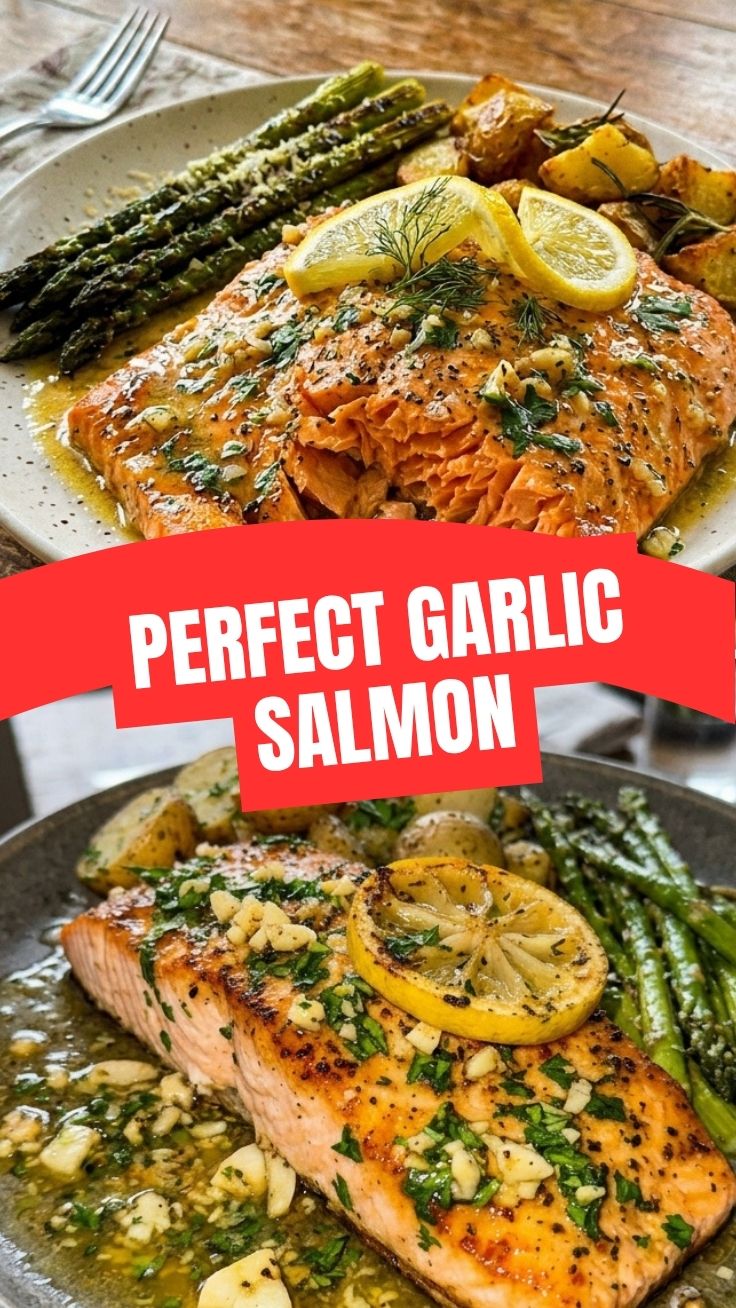
Practical Tip: To check for flakiness without a thermometer, gently press the fillet with your finger. It should separate into clean, distinct layers. This texture is the hallmark of perfect Lemon Garlic Salmon. If you are looking to expand your culinary repertoire, exploring other Salmon recipes like cedar plank or teriyaki can be a great next step.
—
Nutritional Benefits & Advantages
This dish is a powerhouse of nutrition.
– Omega-3 Fatty Acids: Salmon is one of the best sources of EPA and DHA, which support brain health and reduce inflammation.
– High-Quality Protein: A 6 oz serving provides about 34g of protein, essential for muscle repair and satiety.
– Vitamin D & B12: Supports bone health and energy levels.
– Low Mercury: Salmon is a low-mercury fish, making it safe to eat multiple times per week.
– Digestive Aid: Lemon juice aids digestion and enhances iron absorption from other meal components.
Dietary Advantages: This recipe is naturally Gluten-Free, Low-Carb, and Keto-Friendly.
—
Tips, Variations & Cooking Advice
Flavor Variations:
– Herb Crust: Add 1 tsp dried oregano or thyme to the marinade.
– Spicy Kick: Add 1/4 tsp red pepper flakes to the butter during basting.
– Mediterranean: Top the cooked salmon with crumbled feta, olives, and sun-dried tomatoes.
Alternative Cooking Methods:
– Oven-Baked: Bake at 400°F on a sheet pan for 12–15 minutes.
– Air Fryer: Cook at 380°F for 8–10 minutes (no butter needed).
– Grilled: Use a grill basket over medium heat for 4 minutes per side.
Dietary Adaptations:
– Dairy-Free: Omit the butter. Use extra olive oil.
– Paleo/Whole30: Use ghee instead of butter and avocado oil.
– Low-Sodium: Use a salt substitute or simply season only one side of the fish.
—
Common Mistakes to Avoid
1. Overcooking: The #1 mistake. Salmon goes from “perfectly flaky” to “dry chalk” in seconds. Solution: Use a thermometer and pull the fish at 125°F. Carryover cooking will bring it to 130°F.
2. Using Cold Fish: A cold fillet will seize up in the pan and cook unevenly. Solution: Let the salmon sit at room temperature for 10–15 minutes before cooking.
3. Overcrowding the Pan: Adding too many fillets lowers the pan’s temperature, causing steaming instead of searing. Solution: Cook in batches if necessary.
4. Forgetting the Salt: Salmon needs aggressive seasoning. Solution: Season 10 minutes before cooking to allow the salt to penetrate.
5. Skipping the Rest: Cutting into the salmon immediately lets all the juices run out. Solution: Let it rest for 3 minutes.
—
Storage & Meal Prep Tips
– Refrigeration: Store leftovers in an airtight container for up to 3 days. Place a paper towel at the bottom of the container to absorb excess moisture.
– Freezing: Cooked salmon freezes well for up to 2 months. Wrap each fillet tightly in plastic wrap, then place in a freezer bag.
– Reheating (Crucial for Texture):
– Best: Reheat in a skillet over medium-low heat with a splash of water or lemon juice. Cover for 2–3 minutes. This steams the fish back to moistness.
– Okay: Microwave on 50% power for 30-second intervals.
– Avoid: High heat in the microwave or oven, which will dry it out.
Meal Prep Idea: Flake the leftover salmon over salads, mix into grain bowls, or stuff into omelets for a quick breakfast.
—
Conclusion
By now, you should feel confident in creating a restaurant-worthy meal right in your own kitchen. This dish proves that a simple combination of fat, acid, and heat can yield spectacular results. You don’t need a dozen ingredients or hours of prep. The key is consistent searing and careful timing. Whether you are a seasoned cook or a beginner, this recipe is a game-changer for busy weeknights. Mastering this specific Lemon Garlic Salmon will give you a strong foundation for all other Salmon recipes in your kitchen repertoire. We would love to see your results! Share your photos or tag us in your cooking adventures.
—
Frequently Asked Questions (FAQs)
Q1: Can I use frozen salmon?
A: Yes. Thaw it completely in the refrigerator overnight. Pat it very dry before cooking, as frozen salmon releases more moisture.
Q2: My garlic burned in the pan. What went wrong?
A: Garlic burns easily. Add the garlic to the marinade, not directly into a hot pan. If you add it to the butter during basting, keep the heat on medium and watch it closely.
Q3: How do I know when the salmon is done without a thermometer?
A: Use the “flaking” test. Gently press the thickest part of the fillet. If the flesh separates easily into clean layers, it’s done. If it still looks translucent, it needs more time.
Q4: Can I make this dairy-free?
A: Absolutely. Omit the butter entirely. The olive oil provides enough fat for a beautiful sear. You can add a splash of vegetable broth for the basting step.
Q5: How do I prevent the fish from sticking to the pan?
A: Ensure your pan is hot before adding oil and the oil is hot before adding the fish. Also, don’t try to flip it early. When the crust is formed, the fish will naturally release.
Best way to grow Lemon Garlic Salmon
Ingredients
Equipment
Method
- Preheat your oven to 400°F (200°C) and line a baking sheet with parchment paper.
- Pat the salmon fillets dry with a paper towel and season them with salt and pepper.
- In a small bowl, whisk together the olive oil, minced garlic, and chopped parsley.
- Place the seasoned salmon fillets on the prepared baking sheet and drizzle the olive oil mixture over each fillet.
- Arrange lemon slices on top of each salmon fillet.
- Bake for 12-18 minutes, or until the salmon is cooked through and easily flakes with a fork.
- Remove from the oven and serve immediately, garnished with extra fresh parsley if desired.