The Ultimate Homemade Pesto Pasta: A Restaurant-Quality Recipe You Can Master in 25 Minutes
Have you ever wondered why restaurant-style Pesto Pasta tastes so much brighter and fresher than anything from a jar? The secret isn’t a hidden ingredient—it’s the technique of making pesto from scratch and knowing exactly when to combine it with the pasta. This recipe delivers that vibrant, nutty, herbaceous flavor in under half an hour, using simple ingredients you can find at any grocery store. By preparing this dish at home, you control the quality of olive oil, the freshness of basil, and the salt level—saving money while impressing your family or guests. Plus, once you master this base, you can explore other pasta recipes that build on these same foundational skills.
—
Ingredients & Kitchen Tools
For the Pesto Pasta (serves 4)
| Ingredient | Quantity | Notes & Substitutions |
|————|———-|———————–|
| Dried pasta (penne, fusilli, or spaghetti) | 400 g (14 oz) | Gluten-free pasta works well; cook 1–2 minutes less than package directions |
| Fresh basil leaves | 2 cups (packed) | Do not substitute dried basil—fresh is essential |
| Pine nuts | ⅓ cup | Toast lightly for deeper flavor; walnuts or almonds are good substitutes |
| Parmesan cheese (freshly grated) | ½ cup | Pecorino Romano adds a saltier bite; omit for dairy-free version |
| Extra-virgin olive oil | ⅓ cup, plus more for serving | Use a fruity, not overly peppery, oil to let basil shine |
| Garlic cloves | 2 large | Reduce to 1 if sensitive to raw garlic |
| Salt | 1 teaspoon (for pasta water) | Plus a pinch for pesto |
| Black pepper | ¼ teaspoon | Freshly ground recommended |
Kitchen Tools
– Large pot (5–6 quart) for boiling pasta
– Colander
– Food processor or high-speed blender
– Rubber spatula
– Large mixing bowl
– Chef’s knife and cutting board
– Measuring cups and spoons
Optional Tools: Garlic press, microplane for cheese, salad spinner for basil.
—
Prep Time & Cooking Schedule
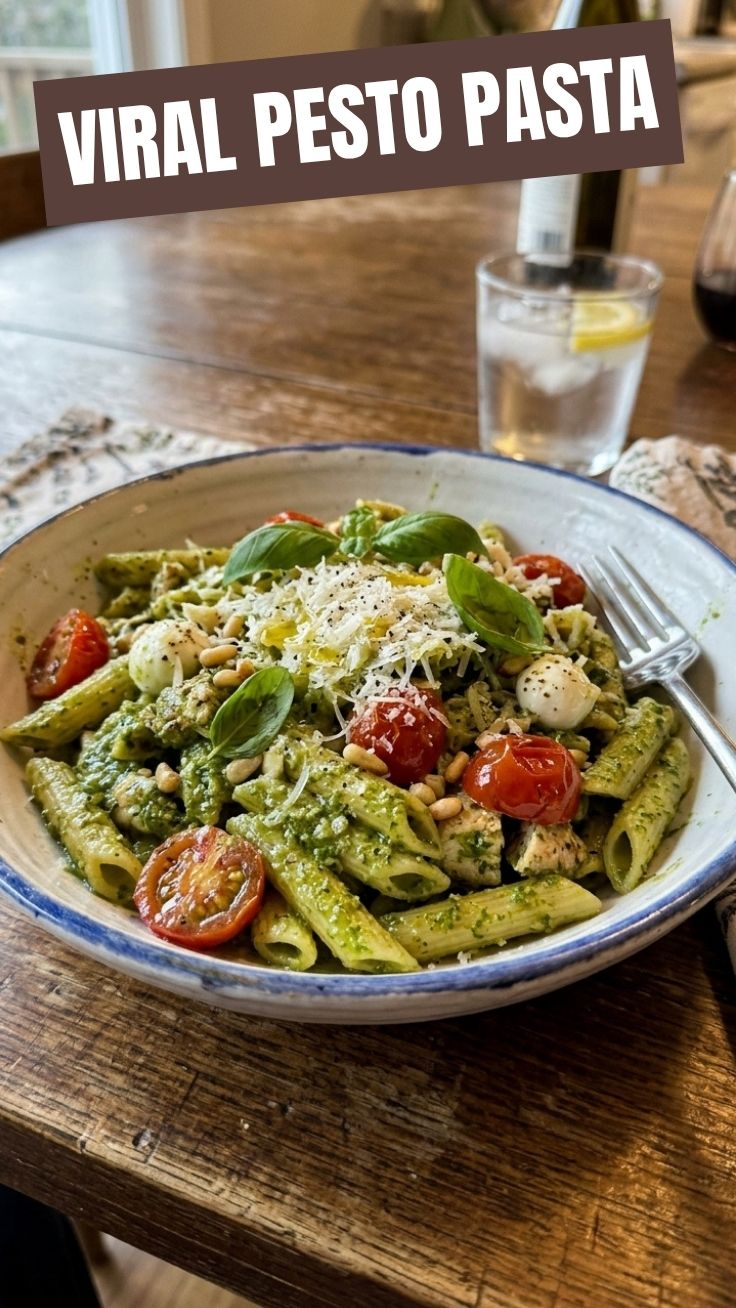
– Prep time: 10 minutes (wash basil, grate cheese, toast pine nuts, mince garlic)
– Cook time: 15 minutes (boil pasta 10–12 minutes; make pesto in 3 minutes; combine in 2 minutes)
– Total time: 25 minutes
No resting or marinating is required—this dish is best enjoyed immediately. Plan to serve the moment the pasta is coated so the pesto stays bright green and the olive oil emulsifies with the starchy water.
—
Step-by-Step Instructions
1. Boil the pasta
Fill the large pot with water, bring to a rolling boil over high heat, and add 1 teaspoon salt. Add the pasta and cook according to package directions until al dente (usually 10–12 minutes). While the pasta cooks, reserve 1 cup of the starchy pasta water before draining.
2. Toast the pine nuts
In a small dry skillet over medium heat, toast the pine nuts for 2–3 minutes, shaking the pan frequently, until they are lightly golden and fragrant. Immediately transfer to a plate to cool.
3. Make the pesto
In a food processor, combine the basil leaves, toasted pine nuts, garlic, and a pinch of salt. Pulse 4–5 times to chop. With the motor running, slowly drizzle in the olive oil until a smooth paste forms. Add the grated Parmesan and pulse just until incorporated—do not overprocess or the pesto will turn brown. Taste and adjust salt and pepper.
4. Combine pasta and pesto
Drain the pasta (do not rinse!) and transfer it to a large mixing bowl. Add 3–4 tablespoons of the pesto (or more if you like it intense) and ¼ cup of the reserved pasta water. Toss vigorously with tongs or a spatula for 1–2 minutes until each strand is coated and the sauce becomes creamy. Add more pasta water a tablespoon at a time if needed. This emulsification step is the secret to restaurant-quality texture. For more inspiration on mastering this technique, explore other pasta recipes that use similar sauce-building methods.
5. Serve immediately
Divide among warm bowls, drizzle with a little extra-virgin olive oil, and top with extra grated Parmesan and a few fresh basil leaves. This Pesto Pasta is best eaten the moment it’s ready.
Chef’s tips:
– For a silkier sauce, use 2 tablespoons of unsalted butter added to the hot pasta before the pesto.
– If you prefer a chunkier texture, pulse the pesto fewer times.
—
Nutritional Benefits & Advantages
This Pesto Pasta delivers a balanced mix of healthy fats, complex carbohydrates, and plant-based antioxidants. Basil is rich in vitamin K, vitamin A, and essential oils with anti-inflammatory properties. Extra-virgin olive oil provides heart-healthy monounsaturated fats and polyphenols. Pine nuts offer magnesium and zinc, while Parmesan contributes calcium and protein. Per serving (with 2 tablespoons of pesto), you’re looking at roughly 450–500 calories, 15 g protein, 20 g fat, and 55 g carbohydrates. It’s also naturally vegetarian and can be made vegan by omitting the cheese and adding nutritional yeast. Compared to cream-based pasta recipes, this dish is lighter yet equally satisfying.
—
Tips, Variations & Cooking Advice
– Flavor variations: Add sun-dried tomatoes (¼ cup, chopped) or roasted red peppers for sweetness. A squeeze of lemon juice brightens the flavor.
– Protein additions: Grilled chicken, sautéed shrimp, or crispy chickpeas turn this into a complete meal.
– Dietary adaptations: Use gluten-free penne and substitute toasted almonds for pine nuts to keep it nutty. Replace Parmesan with 2 tablespoons of nutritional yeast for a dairy-free, vegan version.
– Alternative cooking methods: For a no-boil shortcut, use fresh pasta (cook 2–3 minutes). Or make a larger batch of pesto and freeze it in ice cube trays for quick meals.
– Portion changes: Halve all ingredients for two servings; double the pesto if you love extra sauce.
—
Common Mistakes to Avoid
| Mistake | Problem | Solution |
|———|———|———-|
| Overcooking pasta | Mushy texture that doesn’t hold sauce | Cook 1 minute less than package directions; it continues cooking when tossed |
| Rinsing pasta | Washes away starch needed for emulsification | Never rinse; drain and toss immediately |
| Overprocessing pesto | Oxidizes basil, turning brown and bitter | Pulse only until combined—stir in cheese by hand |
| Using too much oil | Greasy, heavy sauce | Stick to the ⅓ cup ratio; adjust with pasta water |
| Adding cold pesto to hot pasta | Sauce seizes and doesn’t coat | Let pesto sit at room temperature while pasta cooks |
—
Storage & Meal Prep Tips
– Refrigeration: Store leftover Pesto Pasta in an airtight container for up to 3 days. The pesto may darken slightly (oxidation), but the flavor remains good.
– Freezing: Freeze pesto (without pasta) in ice cube trays, then transfer cubes to a freezer bag for up to 6 months. Thaw in the refrigerator overnight. Pasta alone freezes poorly; if you must, freeze sauced pasta for up to 1 month.
– Reheating: Place leftovers in a skillet over medium-low heat with a splash of water or olive oil. Stir gently for 2–3 minutes until warmed through. Avoid the microwave, which can make the pasta rubbery and intensify any bitterness from the basil.
—
Conclusion
This Pesto Pasta proves that a few high‑quality ingredients, combined with the right technique, can create a restaurant‑worthy dish in your own kitchen. From toasting pine nuts to reserving pasta water for that silky emulsion, every step pays off in flavor and texture. Once you’ve mastered this base, you’ll have the confidence to adapt countless other pasta recipes—because the same principles of starch, fat, and aromatics apply to carbonara, cacio e pepe, and beyond. Give this recipe a try tonight, and share your creation on social media or in the comments below. Your family will thank you, and you’ll never reach for a jar of pesto again.
—
FAQs
1. Can I use store‑bought pesto instead of making my own?
Yes, but the flavor and color won’t be as vibrant. Look for refrigerated pesto in the deli section (often more basil‑forward) and avoid shelf‑stable jars that contain preservatives and lower‑quality oils.
2. How do I make this recipe dairy‑free or vegan?
Replace Parmesan with 2–3 tablespoons of nutritional yeast or a vegan Parmesan alternative. The pesto will still be creamy and flavorful, especially if you add a squeeze of lemon.
3. Can I add chicken or shrimp to this pesto pasta?
Absolutely. Grill or pan‑sear 8 oz of protein separately, slice it, and fold into the finished pasta just before serving. The starchy water helps the sauce cling to the protein as well.
4. Why is my homemade pesto bitter?
Bitterness often comes from overprocessing the basil (which oxidizes the leaves) or using olive oil that’s too peppery. Toast pine nuts gently to avoid a burnt taste, and pulse the food processor just until combined.
5. How long does fresh pesto last in the fridge?
Store pesto in an airtight jar with a thin layer of olive oil on top to prevent browning. It stays fresh for about 5–7 days. If the top layer darkens, simply stir it in—the flavor is still fine for most uses.
Pesto Pasta
Ingredients
Equipment
Method
- Bring a large pot of salted water to a rolling boil, then add the spaghetti and cook according to package instructions until al dente.
- Before draining, reserve about 1 cup of the starchy pasta water.
- Combine basil, pine nuts, minced garlic, and grated Parmesan cheese in a food processor.
- While blending, slowly drizzle in the olive oil until the pesto is smooth, then season with salt and pepper.
- Add the cooked and drained spaghetti to a large bowl, then stir in the prepared pesto until evenly coated.
- Gradually add some of the reserved pasta water to achieve your desired consistency and make the sauce cling beautifully to the pasta.