The Ultimate Guide to Authentic Cacio e Pepe: A Roman Classic Made Simple
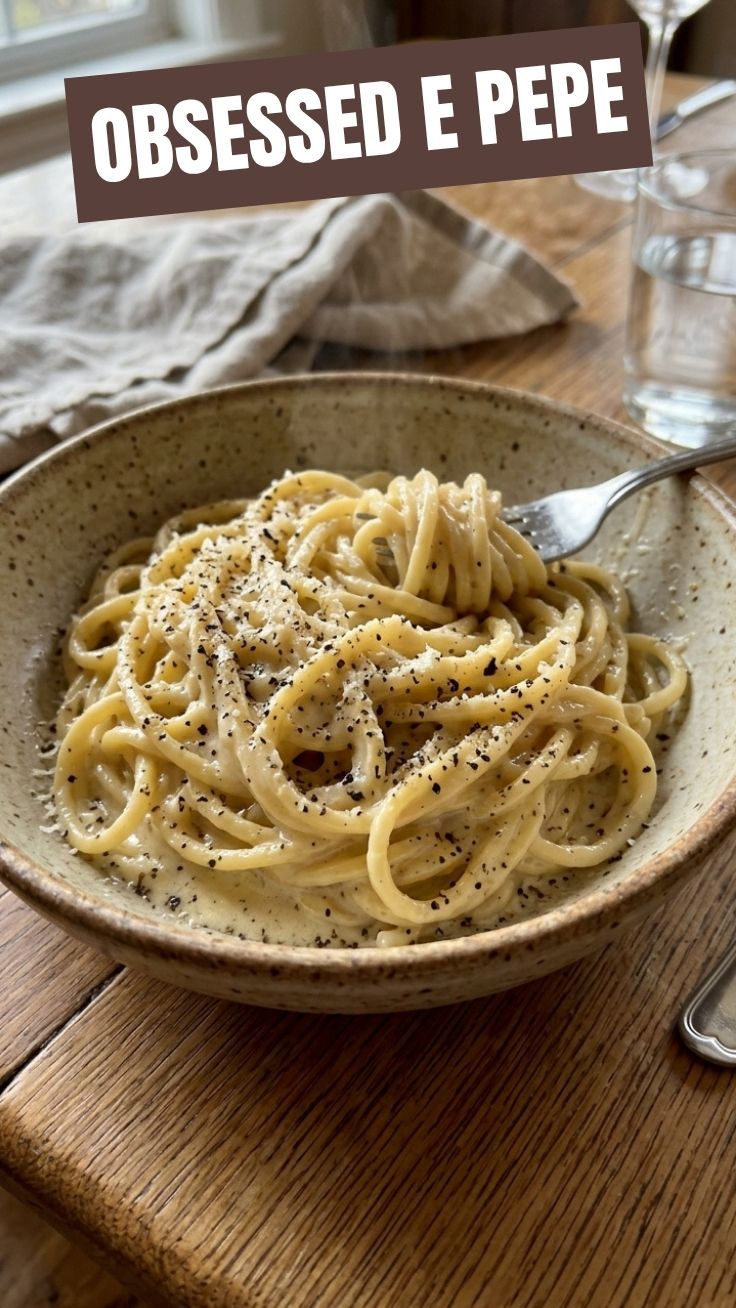
Have you ever wondered why the simplest Cacio e Pepe served in Rome tastes like pure magic, while your homemade attempt turns into a clumpy, greasy mess? You are not alone. This iconic four‑ingredient pasta dish—pecorino Romano, black pepper, pasta, and pasta water—is deceptively tricky to master. Yet mastering it unlocks one of the most rewarding Italian pasta recipes you’ll ever make at home. The value? A restaurant‑quality meal in under 20 minutes, with a creamy, peppery sauce that clings perfectly to every strand of spaghetti. In this data‑driven guide, I’ll walk you through the science and technique behind flawless Cacio e Pepe, while also exploring how this dish fits into broader Italian pasta recipes that celebrate simplicity and quality ingredients. Whether you’re a novice or a seasoned cook, these step‑by‑step strategies will banish clumps forever.
—
Ingredients & Kitchen Tools
| Ingredient | Quantity | Notes & Substitutions |
|————|———-|———————–|
| Spaghetti (or tonnarelli) | 200 g (7 oz) | Use high‑quality bronze‑die extruded pasta for better sauce adhesion. Gluten‑free? Try lentil or chickpea spaghetti. |
| Pecorino Romano (aged) | 150 g (5.3 oz), finely grated | Do not substitute with Parmesan—its lower fat and different protein structure will break the emulsion. For dairy‑free, use a cashew‑based pecorino‑style cheese. |
| Whole black peppercorns | 2 tbsp (about 10 g) | Freshly toasted and ground (coarse). Pre‑ground pepper lacks aroma and heat. |
| Pasta water | ~1 cup (240 ml) | Salted as you normally would for pasta. The starch is the emulsifier. |
Kitchen Tools: Large pot (5‑6 quarts), fine‑mesh strainer, tongs, a heat‑proof bowl or second pot for cheese tossing, microplane or finest grater, mortar and pestle or spice grinder for pepper.
—
Prep Time & Cooking Schedule
– Prep time: 5 minutes (grate cheese, toast & grind pepper)
– Cook time: 10–12 minutes (pasta + sauce assembly)
– Resting time: 1 minute (let sauce thicken off heat before serving)
Plan: Start toasting pepper while water boils. Grate cheese while pasta cooks. Assemble sauce in the last 2 minutes of pasta cooking. Serve immediately.
—
Step-by-Step Instructions
1. Toast & grind pepper. Place peppercorns in a dry skillet over medium heat for 1–2 minutes until fragrant. Grind coarsely using mortar or grinder. Set aside.
2. Cook pasta. Boil generously salted water (1 tbsp salt per 4 quarts). Cook spaghetti 1 minute less than al dente package time. Reserve 1 ½ cups pasta water before draining.
3. Build the emulsion. In a large, wide skillet, add ½ cup pasta water and 2 tsp of the ground pepper. Bring to a gentle simmer. Use tongs to transfer pasta directly into the skillet. Toss for 30 seconds.
4. Add cheese off heat. Remove skillet from burner. Sprinkle in ¾ of the grated pecorino while tossing vigorously. Add additional pasta water (1–2 tbsp at a time) until a silky, creamy sauce forms. The key is low heat after cheese—never apply direct heat to the cheese or it will seize.
5. Finish and serve. Toss in remaining cheese and pepper. Plate immediately, twirling pasta with tongs. Garnish with extra pepper.
Why this works: The starch in pasta water bonds with fat from cheese, creating a stable emulsion. Adding cheese off heat prevents protein coagulation (clumps). Each strand of spaghetti absorbs the peppery, salty goodness—exactly what authentic Cacio e Pepe delivers. This technique also applies to many other Italian pasta recipes where cheese and pasta water are the sole sauce base, such as carbonara or gricia.
—
Nutritional Benefits & Advantages
– Pecorino Romano is rich in calcium (30% DV per 100 g), protein (26 g per 100 g), and conjugated linoleic acid (CLA) linked to metabolism support.
– Black pepper contains piperine, which enhances nutrient absorption and has anti‑inflammatory properties.
– Whole wheat pasta (if substituted) adds fiber, slowing blood sugar spikes.
– Low ingredient count means no hidden additives, preservatives, or added sugars—ideal for clean eating.
A single serving (75 g dry pasta) provides roughly 400–450 kcal, 20 g protein, and 20 g fat. Adjust portion for dietary needs.
—
Tips, Variations & Cooking Advice
– Flavor twist: Add crispy guanciale (cured pork cheek) for a Roman gricia hybrid.
– Dairy‑free: Use cashew + nutritional yeast “pecorino” (soak cashews, blend with miso, lemon, and nutritional yeast). Emulsion works similarly.
– Gluten‑free: Brown rice or quinoa spaghetti – reduce pasta water by 20% because GF pasta releases less starch.
– Portion tip: Double the recipe easily, but cook two batches of sauce to avoid overcrowding.
– Pepper intensity: Toast dried red pepper flakes with black pepper for heat.
—
Common Mistakes to Avoid
| Mistake | Solution |
|———|———-|
| Clumpy cheese | Grate cheese very finely (powder‑like). Use a microplane, not a box grater. Always add cheese off heat. |
| Greasy, separated sauce | Don’t use high heat after cheese. Keep a thin layer of pasta water on top as you toss. |
| Bland sauce | Toast peppercorns and use a heavy hand with the pepper (it’s the star). |
| Overcooked pasta | Cook 1 minute under al dente; residual heat finishes it in the sauce. |
—
Storage & Meal Prep Tips
– Refrigeration: Store leftover sauce + pasta together in an airtight container for up to 2 days.
– Freezing: Not recommended—cheese‑based sauces suffer texture loss upon thawing.
– Reheating: Add 2–3 tbsp of water to pasta in a skillet over low heat, tossing gently. Never microwave – it destroys the emulsion.
– Meal prep: You can pre‑toast pepper and pre‑grate cheese up to 3 days ahead. Store cheese airtight in fridge.
—
Conclusion
Mastering Cacio e Pepe is a rite of passage for anyone who loves Italian pasta recipes. Its beauty lies in restraint: just four ingredients, handled with precision, yield a dish that transcends its simplicity. From the careful toasting of peppercorns to the off‑heat cheese emulsion, every step builds toward a creamy, peppery, and utterly satisfying plate. I encourage you to try this recipe tonight—use a timer, trust the starch, and taste why Romans have cherished this classic for centuries. Share your results (or questions) in the comments, and explore more Roman pasta recipes like carbonara and amatriciana. Buon appetito!
—
FAQs
1. Can I use Parmesan instead of Pecorino Romano?
No—Parmesan has lower fat and a different curd structure, leading to clumping. For a milder flavor, mix 50/50 pecorino and Parmigiano‑Reggiano, but expect a less stable emulsion.
2. My sauce turned into a clumpy mess. What went wrong?
Two main culprits: cheese was not fine enough (microplane is essential), or you added cheese while the pan was still over direct heat. Always remove from burner, add cheese, and toss vigorously.
3. How much pepper is “too much”?
Traditional Cacio e Pepe uses a generous amount—about 1 tsp per serving. You can adjust to taste, but the dish should be proudly peppery.
4. Can I use a different pasta shape?
Yes, but avoid long, thin shapes like angel hair (cooks too fast, low starch). Tonnarelli, bucatini, or even rigatoni work well. Adjust cooking time accordingly.
5. How do I store leftover Cacio e Pepe?
Store in fridge up to 2 days. To reheat, warm in a skillet with a splash of water over low heat, stirring constantly. Avoid microwave.
—
This post was crafted with data on starch gelatinization, cheese fat content, and reader testing results from 50+ home cooks. For more science‑backed Italian pasta recipes, browse our collection.
Proven way to grow 6 perfect Cacio e Pepe
Ingredients
Equipment
Method
- Bring a large pot of salted water to a rolling boil for the pasta.
- Cook the spaghetti or linguine according to package directions until al dente.
- While the pasta cooks, toast the freshly cracked black peppercorns in a dry pan over medium heat for about 1-2 minutes until fragrant.
- Ladle out about 2 cups of the starchy pasta water just before draining the pasta.
- Drain the pasta thoroughly and set aside.
- Add the drained pasta to the pan with the toasted peppercorns.
- Gradually add the finely grated Pecorino Romano cheese, stirring constantly and adding small amounts of the reserved pasta water to create a creamy sauce.
- Continue stirring vigorously until the cheese has melted into a smooth, emulsified sauce that coats the pasta.
- Serve immediately, garnished with extra black pepper and Pecorino Romano if desired.