The Ultimate Guide to Making Perfect Butter Chicken at Home
Have you ever wondered why restaurant-style Butter Chicken tastes so impossibly rich and creamy, yet seems impossible to replicate in your own kitchen? You are not alone. The secret lies not in complicated techniques, but in understanding a few key principles of temperature control, spice blooming, and sauce emulsification. Preparing this beloved North Indian classic at home is valuable because it allows you to control the quality of ingredients, adjust spice levels to your preference, and create a deeply satisfying meal that rivals any takeout—all without leaving your house. This guide will walk you through every step to achieve that velvety, aromatic, and perfectly balanced Butter Chicken that will become a staple in your weekly rotation.
Ingredients & Kitchen Tools
To create restaurant-quality Butter Chicken, you need the right components. Below is a complete list of ingredients, tools, and helpful substitutions.
For the Marinade
– 500g boneless chicken thighs – Better than breasts for juiciness and flavor.
– 1/2 cup plain yogurt – Full-fat or Greek-style works best; use dairy-free yogurt for a lactose-free version.
– 1 tablespoon ginger-garlic paste – Freshly made is superior; use 1 tsp dried ginger and 1 tsp garlic powder if needed.
– 1 teaspoon turmeric powder – Adds color and earthy notes.
– 1 teaspoon cumin powder – A warm, aromatic base.
– 1 teaspoon garam masala – The signature spice blend.
– 1 tablespoon lemon juice – Helps tenderize the meat.
– Salt to taste
For the Sauce
– 2 tablespoons butter or ghee – Butter gives the signature richness; use coconut oil for a dairy-free version.
– 1 large onion, finely chopped – Yellow or red onion works.
– 1 tablespoon ginger-garlic paste
– 1 teaspoon ground cumin
– 1 teaspoon ground coriander
– 1/2 teaspoon red chili powder or cayenne – Adjust for heat preference.
– 1/2 teaspoon garam masala
– 1 can (400g) crushed tomatoes – San Marzano tomatoes offer the best sweetness.
– 1/2 cup heavy cream or full-fat coconut milk – Coconut milk keeps it dairy-free.
– 1 tablespoon kasuri methi (dried fenugreek leaves) – Essential for that authentic flavor; omit if unavailable.
– Sugar or honey to taste – Balances acidity.
– Fresh cilantro for garnish
Kitchen Tools
– Large mixing bowl
– Skillet or heavy-bottomed pan (cast iron or non-stick)
– Blender or immersion blender
– Knife and cutting board
– Measuring spoons and cups
– Tongs or spatula
Prep Time & Cooking Schedule
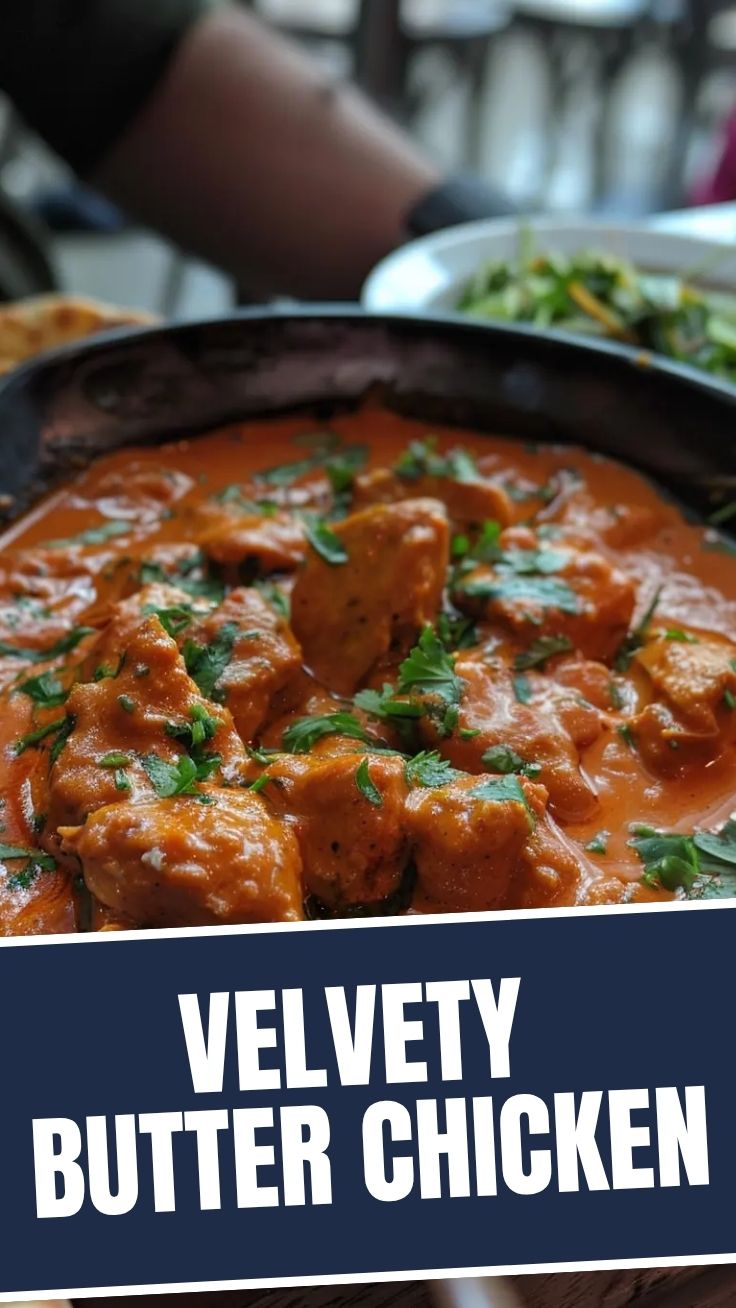
Understanding the timeline ensures you plan your meal efficiently without last-minute stress.
| Task | Time Required |
|——|—————|
| Marinating chicken | At least 30 minutes (preferably 2–4 hours) |
| Prep (chopping, measuring) | 15 minutes |
| Cooking time | 30–40 minutes |
| Total active time | 45 minutes (plus marinating) |
| Resting time | 5 minutes before serving |
Pro tip: Marinate the chicken the night before. The yogurt and lemon juice work overnight to deeply tenderize and flavor the meat, resulting in a more succulent final dish. This Butter Chicken recipe is forgiving, but allowing the marinade to rest improves texture noticeably.
Step-by-Step Instructions
Follow these detailed steps for a flawless Butter Chicken every time. Remember, patience and temperature control are your best friends here.
1. Prepare the Marinade
In a large bowl, combine yogurt, ginger-garlic paste, turmeric, cumin, garam masala, lemon juice, and salt. Whisk until smooth. Add the chicken pieces and coat thoroughly. Cover and refrigerate for at least 30 minutes (ideally 2–4 hours).
2. Cook the Chicken
Heat 1 tablespoon of butter or ghee in a large skillet over medium-high heat. Add the marinated chicken pieces (shake off excess marinade) and sear for 3–4 minutes per side until golden brown. The chicken does not need to be fully cooked at this point—it will finish in the sauce. Remove chicken and set aside.
3. Build the Sauce Base
In the same pan, add the remaining tablespoon of butter. Lower heat to medium. Add chopped onions and sauté until soft and translucent (about 5 minutes). Add ginger-garlic paste and cook for 1 minute until fragrant.
4. Bloom the Spices
Add cumin, coriander, red chili powder, and garam masala. Stir constantly for 30–60 seconds until the spices become aromatic. This step is crucial—blooming releases essential oils that create depth. For this particular recipe, a well-balanced Butter Chicken relies on properly bloomed spices. If you prefer a milder version like Chicken Tikka Masala, you can reduce the chili powder and add a bit more cream later, but the core technique remains the same.
5. Create the Sauce
Pour in the crushed tomatoes. Stir well, scraping up any browned bits from the pan. Simmer for 10–12 minutes, stirring occasionally. The sauce will thicken and darken slightly. Remove from heat and let cool for a few minutes.
6. Blend the Sauce
Using a blender or immersion blender, puree the sauce until completely smooth. Return it to the pan. This step creates that iconic velvety texture.
7. Finish the Dish
Add the seared chicken back to the pan. Stir in heavy cream (or coconut milk), sugar, and crushed kasuri methi. Simmer on low heat for 10–15 minutes, stirring occasionally. The sauce should coat the back of a spoon. Taste and adjust salt, spice, or sweetness as needed.
8. Rest and Serve
Remove from heat and let rest for 5 minutes. Garnish with fresh cilantro and a swirl of cream. Serve with basmati rice, naan bread, or roti.
Nutritional Benefits & Advantages
Butter Chicken is often considered a comfort dish, but it offers several nutritional advantages when prepared with wholesome ingredients.
– High-quality protein: Chicken thighs provide ample protein, essential for muscle repair and satiety.
– Healthy fats: Butter and cream contain fat-soluble vitamins A, D, and E. Using ghee or grass-fed butter adds conjugated linoleic acid, which may support metabolism.
– Antioxidant-rich spices: Turmeric (curcumin) is a powerful anti-inflammatory; cumin supports digestion; coriander provides antioxidants.
– Tomato-based lycopene: Crushed tomatoes offer lycopene, a potent antioxidant linked to heart health.
– Calcium from yogurt: Supports bone health and gut microbiome.
By using full-fat dairy, you increase nutrient absorption and reduce blood sugar spikes compared to low-fat versions. This Butter Chicken is also adaptable to gluten-free and dairy-free diets, making it inclusive for many households.
Tips, Variations & Cooking Advice
Unlock the full potential of this recipe with these pro-level suggestions:
– Smoky flavor: After cooking the sauce, hold a small piece of charcoal (or a dry bay leaf) with tongs, ignite it, and place it in a small metal bowl inside the pan. Cover immediately for 2–3 minutes. This adds an authentic tandoori-style smokiness.
– Dairy-free version: Substitute butter with coconut oil or vegan butter, and replace heavy cream with full-fat coconut milk. The result is slightly coconutty but still delicious.
– Protein swaps: Use paneer (for a vegetarian version), shrimp, or even tofu. Cook times will vary—paneer only needs gentle simmering.
– Spice adjustments: For a milder family-friendly dish, reduce chili powder by half and add a pinch of sugar. For extra heat, add finely chopped green chilies or a dash of cayenne.
– Cooking method: You can grill or broil the marinated chicken instead of pan-searing. This adds a charred flavor similar to chicken tikka.
– Sauce texture: If the sauce becomes too thick, thin it with a splash of water or chicken broth. If too thin, simmer longer or add a slurry of 1 teaspoon cornstarch mixed with 2 tablespoons water.
Common Mistakes to Avoid
Even experienced cooks can stumble. Here are pitfalls and how to sidestep them:
– Skipping the marinade – The yogurt and lemon juice tenderize and add flavor. A rushed marinade yields dry, bland chicken.
– Overcrowding the pan – When searing chicken, leave space between pieces. Overcrowding causes steaming instead of browning.
– Boiling the cream – After adding cream, keep heat low. Boiling causes curdling and a grainy sauce.
– Using low-quality tomatoes – Cheap canned tomatoes can be metallic and acidic. Invest in San Marzano or fire-roasted tomatoes for sweetness.
– Forgetting kasuri methi – This dried herb is the secret ingredient that provides the unmistakable “restaurant” aroma. Don’t skip it.
– Not tasting before serving – Balance is key. Adjust salt, sugar, and acid (lemon juice) right before serving.
Storage & Meal Prep Tips
Butter Chicken is a meal-prepper’s dream because flavors actually improve overnight.
– Refrigeration: Store in an airtight container for up to 4 days. The sauce will thicken; add a splash of water or cream when reheating.
– Freezing: This dish freezes beautifully for up to 3 months. Freeze in portion-sized containers. Thaw overnight in the fridge before reheating.
– Reheating: Gentle reheating is essential. Use a stovetop over low heat, stirring occasionally. Microwave at 50% power in 30-second bursts, stirring between intervals. Avoid high heat, which can cause the sauce to separate.
– Naan storage: Store naan at room temperature for 2 days or freeze for 1 month. Reheat in a dry skillet or oven at 350°F for 3–4 minutes.
Conclusion
Mastering Butter Chicken at home is about understanding a few key techniques: proper marination, careful spice blooming, and gentle finishing with cream. This recipe delivers that silky, aromatic sauce and tender chicken that makes it a global favorite. Whether you stick to the classic version or experiment with a dairy-free adaptation, you now have a reliable method to create a dish that tastes like it came from a skilled Indian chef. Remember, the beauty of homemade Butter Chicken lies in customization—feel free to adjust spice levels and enjoy the process. We would love to hear about your results! Share your version on social media or explore more related recipes on our site. For an equally popular alternative, try our detailed guide on Chicken Tikka Masala—another creamy, tomato-based curry that shares many of these techniques.
FAQs
1. Can I use chicken breast instead of thighs?
Yes, but be careful not to overcook or it becomes dry. Reduce simmering time to 8–10 minutes and check for doneness earlier.
2. How do I fix a sauce that is too sour?
Add a pinch of sugar or honey. A splash of cream can also balance acidity. If it is too salty, add a peeled potato chunk and simmer for 10 minutes (remove before serving).
3. Is there a vegetarian version of this recipe?
Absolutely. Substitute chicken with paneer (cubed and pan-fried) or firm tofu. You can also use chickpeas or cauliflower florets. Adjust cooking times accordingly.
4. Can I make this in a slow cooker?
Yes. Sear chicken first, then add all sauce ingredients (except cream and kasuri methi) to the slow cooker. Cook on low for 4–6 hours. Stir in cream and kasuri methi during the last 15 minutes.
5. What is the best way to reheat leftover Butter Chicken without it separating?
Reheat gently on the stovetop over low heat, adding a tablespoon of water or cream. Stir frequently. Avoid rapid boiling, which breaks the emulsion.
Proven way to grow Butter Chicken in 25 minutes
Ingredients
Equipment
Method
- Melt butter in a large pan over medium heat and sauté the chopped onion until it becomes translucent.
- Add minced garlic and grated ginger, cooking for another minute until fragrant.
- Stir in the cubed chicken breast and cook until lightly browned on all sides.
- Pour in the tomato sauce, heavy cream, garam masala, turmeric, chili powder, and salt, then bring the mixture to a simmer.
- Reduce heat to low, cover, and let it cook for 10-12 minutes, or until the chicken is thoroughly cooked.
- Garnish with fresh cilantro before serving hot with rice or naan.