The Ultimate Guide to Making Restaurant-Style Chicken Tikka Masala at Home
Have you ever wondered why takeout Chicken Tikka Masala tastes so addictive yet seems impossible to replicate in your own kitchen? The secret isn’t a mysterious spice blend hidden in some distant curry house—it’s actually a combination of proper technique, patience, and understanding how flavors layer together. Preparing this iconic Indian curry at home not only saves money but gives you complete control over spice levels, ingredient quality, and dietary adaptations. Once you master this recipe, you’ll never look at delivery menus the same way again.
Ingredients & Kitchen Tools
Protein & Marinade
– Boneless chicken thighs (1.5 lbs) – More forgiving than breasts; stay juicy during high-heat cooking
– Plain full-fat yogurt (1 cup) – Tenderizes meat naturally; Greek yogurt works but dilute slightly
– Lemon juice (2 tbsp) – Adds brightness and helps breakdown proteins
– Garam masala (2 tsp) – The backbone of authentic flavor; homemade blends elevate significantly
– Turmeric (1 tsp) – Anti-inflammatory powerhouse; stains everything yellow so handle carefully
– Kashmiri red chili powder (1 tsp) – Mild heat with vibrant color; substitute paprika + cayenne
– Cumin powder (1 tsp) – Earthy warmth; toast whole seeds and grind for superior taste
– Salt (1 tsp) – Don’t skip; crucial for drawing moisture out during marination
Sauce Components
– Canned crushed tomatoes (14 oz) – Fire-roasted variety adds smokiness
– Heavy cream (1 cup) – Creates signature velvety texture; coconut cream for dairy-free
– Onion (1 large, diced) – Base of flavor; caramelize deeply for sweetness
– Garlic (6 cloves, minced) – Use fresh; pre-minced lacks pungent kick
– Fresh ginger (2-inch piece, grated) – Adds warmth without heat; freeze whole root for easier grating
– Butter (3 tbsp) – Traditional richness; ghee offers nuttier profile
– Kasuri methi (2 tbsp, dried fenugreek leaves) – Non-negotiable for authentic aroma; crush between palms before adding
– Sugar (1 tsp) – Balances acidity; honey or jaggery work beautifully
Kitchen Tools Needed
– Large mixing bowl – Stainless steel or glass; avoid reactive aluminum with acidic marinade
– Cast iron skillet or heavy-bottomed pan – Retains heat for proper charring
– Immersion blender – Optional but creates silkiest sauce texture
– Metal skewers – If using oven broiler method; wooden need soaking
– Fine-mesh strainer – For straining yogurt if using thick Greek variety
Prep Time & Cooking Schedule
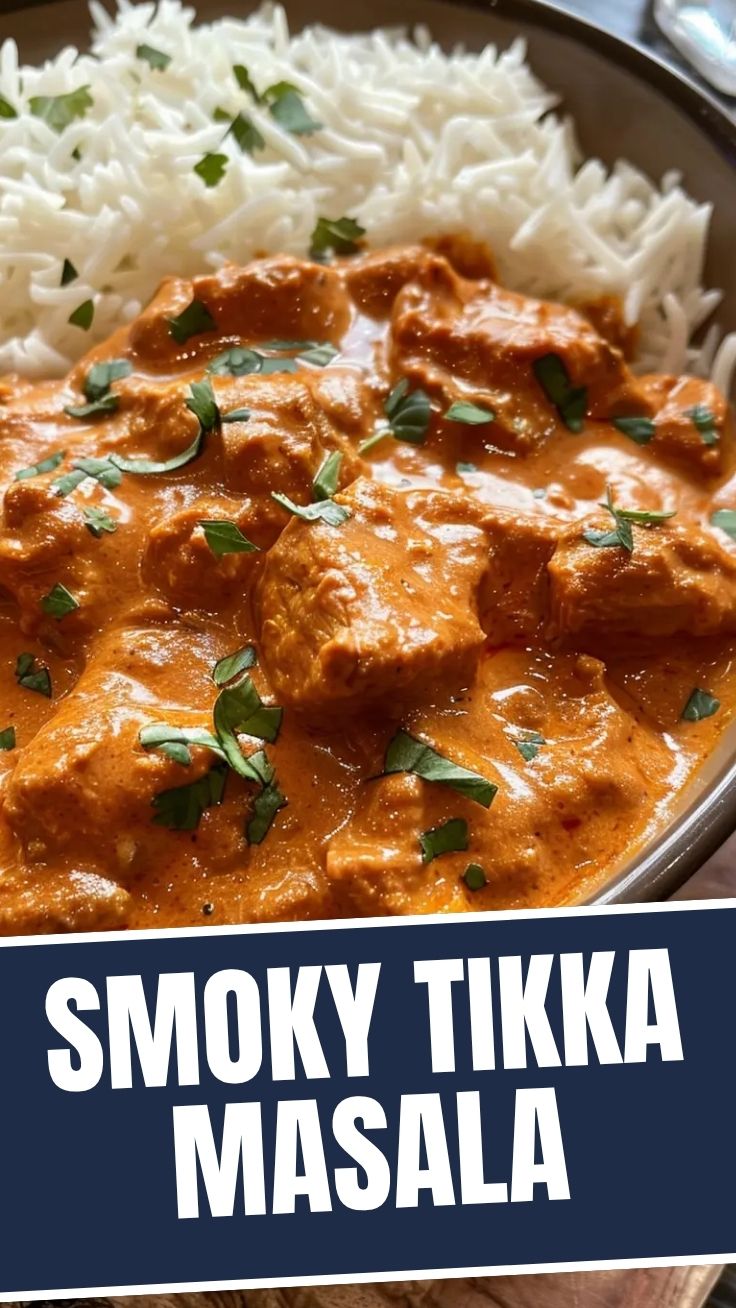
Total Time: 1 hour 45 minutes (including marination)
Active Cooking: 45 minutes
Marination: 1 hour minimum (overnight yields deeper flavor penetration)
Start marination the night before if possible—the yogurt’s lactic acid works slowly to tenderize without making the chicken mushy. For weeknight cooking, even 30 minutes at room temperature improves results dramatically. Resting time after cooking (5 minutes) allows juices to redistribute rather than pooling on your plate.
Step-by-Step Instructions
1. Prepare the Chicken Marinade
Combine yogurt, lemon juice, garam masala, turmeric, chili powder, cumin, and salt in a large bowl. Whisk until smooth and uniformly colored—you should see no white yogurt streaks remaining. Add diced chicken thighs and coat thoroughly using your hands (wear gloves to avoid turmeric stains). Cover and refrigerate for at least 1 hour.
Pro Tip: Bring chicken to room temperature 20 minutes before cooking for even charring. Cold meat seizes up and steams instead of developing that coveted blackened crust.
2. Cook the Chicken
Thread marinated pieces onto skewers if using broiler method, or arrange in a single layer on a lined baking sheet. Broil on high for 12-15 minutes, turning halfway, until edges are charred and internal temperature reaches 165°F. Alternatively, grill over high heat for authentic smoky flavor.
The blackened spots aren’t burnt—they’re flavor bombs that will infuse the sauce later. Don’t skip this caramelization step; it separates average homemade Chicken Tikka Masala from exceptional versions.
3. Build the Sauce Base
Melt butter in your heavy-bottomed pan over medium heat. Add diced onion and cook until deeply golden (8-10 minutes)—rushing this step leaves raw onion taste that ruins the sauce’s sweetness. Add garlic and ginger; sauté 1 minute until fragrant.
4. Develop the Tomato Cream
Pour in crushed tomatoes, reduce heat to medium-low, and simmer 15 minutes until thickened and oil separates at edges. This “bhuno” technique concentrates flavors dramatically. Add cream, sugar, and crushed kasuri methi leaves. Stir and simmer 5 more minutes. Taste and adjust salt—this Indian curry should balance tangy, creamy, and subtly sweet elements.
5. Combine and Finish
Cut broiled chicken into bite-sized pieces. Add to sauce along with any accumulated juices from the baking sheet. Simmer together 10 minutes on low heat—this allows the charred chicken flavors to meld into the creamy base. Finish with a tablespoon of butter swirled in for extra gloss.
Nutritional Benefits & Advantages
This dish delivers surprising nutritional value beyond its indulgent reputation. Chicken Tikka Masala provides approximately 35g protein per serving, supporting muscle repair and satiety. The turmeric offers curcumin (anti-inflammatory properties), while ginger aids digestion and reduces nausea. Fermentation-friendly yogurt contributes probiotics that balance gut microbiome.
When prepared with skinless chicken thighs rather than breasts, you gain more iron and zinc—minerals often deficient in modern diets. Using full-fat dairy actually improves absorption of fat-soluble vitamins A, D, E, and K present in the spices. For lower calorie versions, substitute half the cream with blended cashew paste, which adds creaminess plus healthy monounsaturated fats.
Tips, Variations & Cooking Advice
Flavor Variations:
– Smokier profile: Add 1 tsp liquid smoke or char a piece of charcoal, place it in a foil cup on the pan, and cover for 2 minutes
– Spicier version: Include 2 slit green chilies in the sauce or add ½ tsp cayenne
– Milder adaptation: Replace chili powder with sweet paprika; add 1 tbsp almond paste for richness
Dietary Adjustments:
– Dairy-free: Use coconut cream + coconut oil instead of butter; add 1 tbsp nutritional yeast for savory depth
– Gluten-free: Naturally GF; just verify your garam masala blend has no fillers
– Lower fat: Use chicken breast, replace cream with evaporated milk, and reduce butter to 1 tbsp
Cooking Method Alternatives:
– Instant Pot: Sauté onions on high, add remaining sauce ingredients (except cream), pressure cook 10 minutes, then stir in cream and broiled chicken
– Slow Cooker: Combine all sauce ingredients (add cream later), cook 4 hours on low, stir in broiled chicken for last 30 minutes
– Sheet Pan Method: Roast marinated chicken and sauce vegetables (onions, tomatoes, garlic) together at 425°F for 25 minutes, then blend sauce
Common Mistakes to Avoid
Skipping the charring step. Chicken that’s merely cooked through instead of charred produces a flat, one-dimensional sauce. The Maillard reaction creates hundreds of flavor compounds that yogurt marinade alone cannot replicate.
Overcooking the cream. Adding heavy cream too early or boiling vigorously causes it to separate and curdle. Always add cream at the end, keep heat low, and stir gently.
Using pre-ground spices that are old. Spices lose potency after 6 months. Freshly ground cumin and coriander seeds transform this dish from mediocre to memorable. Invest in whole spices and a cheap coffee grinder dedicated to spices.
Adding raw kasuri methi. Crushing dried fenugreek leaves between your palms before adding releases volatile oils. Throw them in whole and they’ll be stringy and flavorless.
Storage & Meal Prep Tips
Refrigeration: Store cooled Chicken Tikka Masala in airtight containers for up to 4 days. The flavor actually improves after 24 hours as spices meld further.
Freezing: Portion into freezer-safe containers leaving ½-inch headroom. Freeze flat for space efficiency—stacks beautifully. Keeps 3 months without significant quality loss. Thaw overnight in refrigerator.
Reheating: Gently warm on stovetop over medium-low heat, stirring occasionally. Add splash of water or cream if sauce thickened too much. Microwave at 50% power in 60-second intervals, stirring between each. Avoid high heat which separates the cream.
Meal Prep Strategy: Double the marinade and freeze half with chicken raw. On cooking day, thaw overnight and broil directly. Prep sauce base on Sunday, refrigerate, then finish with fresh chicken midweek.
Conclusion
Mastering this beloved Indian curry at home transforms weeknight dinners from mundane to memorable. The key takeaways: never skip the charring step for deepest flavor, allow proper marination time for tender meat, and finish with crushed kasuri methi for that unmistakable restaurant aroma. Homemade Chicken Tikka Masala beats takeout every time—you control spice levels, guarantee fresh ingredients, and save money with leftovers that taste even better next day. Try this recipe this weekend, tag your results, and explore our butter chicken and palak paneer guides next.
FAQs
Can I use chicken breast instead of thighs?
Yes, but reduce broiling time to 10 minutes and monitor internal temperature carefully. Breasts dry out quickly. Consider brining for 30 minutes beforehand to retain moisture.
Why did my sauce split or curdle?
Three common culprits: heat too high after adding cream, old cream near expiration, or acidic tomatoes overwhelming dairy. Fix by whisking in 1 tsp cornstarch slurry or 2 tbsp cold cream off heat.
What’s the best substitute for kasuri methi?
Celery leaves mixed with ½ tsp maple syrup approximates the sweet-bitter profile. Or simply skip it—your dish will still taste good, just less complex.
Can I make this vegan?
Absolutely. Use coconut cream, vegan butter, and firm tofu or chickpeas instead of chicken. Marinate tofu similarly and bake until golden. The sauce works beautifully plant-based.
How spicy is this recipe traditionally?
Kashmiri chili is mild (similar to paprika). This recipe registers 3/10 on heat scale. Increase cayenne gradually if you want more kick—remember you can always add heat but never remove it.
Proven way to grow Chicken Tikka Masala
Ingredients
Equipment
Method
- In a large bowl, combine chicken pieces with yogurt, grated ginger, minced garlic, garam masala, turmeric powder, chili powder, cumin powder, and salt.
- Mix well to ensure all chicken pieces are coated, then cover the bowl and refrigerate for at least 30 minutes, or preferably for 2-4 hours.
- Heat a large skillet or oven-safe pot over medium-high heat with a tablespoon of ghee or oil. Add the marinated chicken in a single layer without overcrowding the pan.
- Cook for 3-5 minutes per side until browned and slightly charred. Remove the cooked chicken and set it aside.
- In the same pot, melt the remaining ghee or butter over medium heat. Add the chopped onion and cook until softened, about 5-7 minutes.
- Add minced garlic and grated ginger, then cook for another minute until fragrant.
- Stir in garam masala, turmeric powder, and chili powder and cook for 30 seconds more.
- Pour in the crushed tomatoes and tomato paste. Bring to a simmer and cook for 10-15 minutes, allowing the sauce to thicken and flavors to meld.
- Stir in the heavy cream and return the cooked chicken to the sauce.
- Simmer for another 5-10 minutes until the chicken is heated through and the sauce is creamy. Taste and adjust seasoning as needed.
- Garnish with fresh cilantro and serve hot with rice or naan bread.