The Ultimate Shakshuka Guide: A Foolproof Recipe for Breakfast or Dinner
Have you ever craved a dish that’s equally satisfying for breakfast, lunch, or dinner—something that feels both exotic and comforting at the same time? If you haven’t yet discovered the magic of Shakshuka, you’re in for a treat. This North African and Middle Eastern classic combines poached eggs in a spiced tomato-pepper sauce, creating a one-pan meal that’s bursting with flavor. Preparing this Shakshuka at home is not only cost-effective but also allows you to control the spice level, freshness, and dietary adaptations. In this comprehensive guide, I’ll walk you through everything you need to know—from ingredients to variations—so you can master this vibrant dish with confidence. Let’s dive into the Shakshuka experience that will transform your kitchen routine.
—
Ingredients & Kitchen Tools
Ingredients
– 2 tbsp olive oil – Use extra virgin for richer flavor; avocado oil works as a substitute.
– 1 medium onion, diced – Yellow or white for sweetness; red onion adds a sharper bite.
– 1 red bell pepper, chopped – Green bell peppers are fine but less sweet; roasted red peppers add smokiness.
– 3 garlic cloves, minced – Fresh is best; 1 tsp garlic powder can substitute in a pinch.
– 1 tsp ground cumin – Essential for earthy warmth; swap with ½ tsp smoked paprika if needed.
– 1 tsp paprika – Sweet or smoked; adjust to taste for heat.
– ½ tsp cayenne pepper (optional) – Omit for mild version; add chili flakes for extra kick.
– 1 can (14 oz) crushed tomatoes – Whole tomatoes crushed by hand work; fire-roasted adds depth.
– Salt and black pepper to taste – Start with ½ tsp salt and adjust.
– 4–6 large eggs – Room temperature for even cooking; organic eggs prefer.
– Fresh parsley or cilantro for garnish – Optional but recommended for brightness.
– Feta cheese (optional) – Crumbled over top; omit for dairy-free version.
Kitchen Tools
– 12-inch cast iron skillet or non-stick pan – Cast iron retains heat best; stainless steel works, but avoid non-stick with metal utensils.
– Cutting board and sharp knife – For dicing vegetables uniformly.
– Wooden spoon or spatula – Silicone to protect non-stick pans.
– Small bowls – For cracking eggs individually to avoid shells.
– Lid or baking sheet – To cover the pan and steam-poach eggs evenly.
Optional Substitutions
– Tomatoes: Substitute with 1 lb fresh ripe tomatoes, peeled and chopped (add 10 minutes cooking time).
– Spices: Try harissa paste (1 tbsp) instead of cayenne for a North African flair.
– Eggs: For vegan version, use tofu scramble or chickpea flour “eggs” (adjust cooking time).
– Bell pepper: Swap with zucchini or mushrooms for varied texture.
—
Prep Time & Cooking Schedule
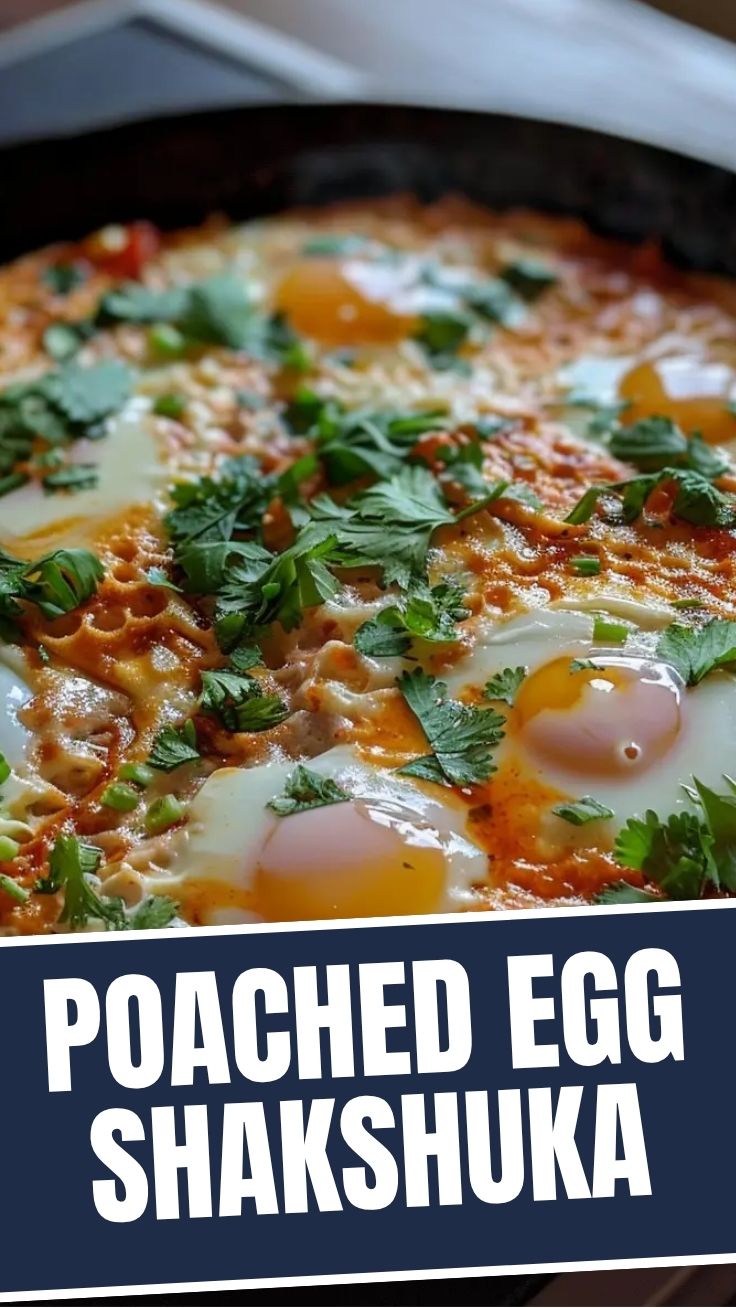
– Prep Time: 15 minutes (dicing veggies, mincing garlic)
– Cook Time: 20–25 minutes (sautéing vegetables, simmering sauce, poaching eggs)
– Resting Time: 2–3 minutes after cooking (allows flavors to meld, eggs to set perfectly)
– Total Time: Approximately 40 minutes
Planning Tip: This dish comes together quickly, making it ideal for a lazy weekend brunch or a quick weeknight dinner. Prep the vegetables in advance and store in an airtight container for up to 24 hours to shave off 10 minutes. The sauce can also be made ahead and refrigerated for 3 days—simply reheat and add eggs when ready.
—
Step-by-Step Instructions
1. Heat the oil in your cast iron skillet over medium heat. Add the diced onion and bell pepper, and cook for 5–7 minutes, stirring occasionally, until softened and slightly caramelized. This creates the base flavor.
2. Add the minced garlic and cook for 30 seconds, stirring constantly to prevent burning. Then sprinkle in the cumin, paprika, and cayenne (if using). Toast for 30 seconds until fragrant, as this releases essential oils for deeper flavor.
3. Pour in the crushed tomatoes and season with salt and black pepper. Stir well to combine. Reduce heat to medium-low and let the sauce simmer for 8–10 minutes, stirring occasionally, until thickened. The sauce should be slightly reduced—press gently with a spoon; it should not be watery.
4. Taste and adjust seasoning. You want the sauce to be savory, slightly sweet, and spicy. If too acidic, add ½ tsp sugar or a pinch of baking soda (only for extreme acidity). For a smoother texture, use a hand blender at this stage if desired.
5. Make small wells in the sauce using the back of a spoon (create 4–6 indentations). Crack one egg into a small bowl first, then slip it into each well. This prevents shell debris and ensures even spacing.
6. Cover the pan with a lid or baking sheet and cook on low heat for 6–8 minutes, depending on your desired egg doneness. Check after 5 minutes: whites should be set but yolks still runny for dip-able Shakshuka. Pro tip: Rotate the pan halfway through for even cooking if using a gas stove.
7. Remove from heat and let rest for 2 minutes. Garnish with fresh parsley, cilantro, and optional crumbled feta cheese. Serve immediately with crusty bread, pita, or rice for soaking up the rich sauce. This Shakshuka recipe is versatile—you can also serve with avocado slices or a side of yogurt for creaminess. For a quicker version, you can follow a simplified recipe that cuts the simmering time, but the full method here maximizes depth. Master this Shakshuka and you’ll have a go-to meal that’s always impressive yet effortless.
—
Nutritional Benefits & Advantages
| Nutrient | Per Serving (1 egg + ½ cup sauce) | Health Benefit |
|———-|———————————–|—————-|
| Vitamin C | 30% DV | Boosts immunity, from bell peppers and tomatoes |
| Vitamin A | 25% DV | Supports vision and skin health |
| Iron | 15% DV | Essential for oxygen transport (from eggs and cumin) |
| Fiber | 4g | Aids digestion (from tomatoes and peppers) |
| Protein | 12g | Promotes muscle repair (from eggs) |
| Lycopene | High | Powerful antioxidant (from cooked tomatoes) |
Why Choose Shakshuka? This dish is naturally gluten-free, low-carb (if served without bread), and packed with vitamins. The combination of eggs and vegetables offers a balanced meal that supports heart health and sustained energy. The Shakshuka is also incredibly filling due to its protein and fiber content, making it a perfect option for those managing weight or blood sugar levels.
—
Tips, Variations & Cooking Advice
– Flavor Twists: Add ½ cup of chopped spinach or kale during the last 2 minutes of simmering. For a North African touch, stir in 1 tablespoon of harissa paste and ¼ cup of preserved lemon juice.
– Ingredient Swaps: Use cumin seeds instead of ground for a toastier flavor (add 1 tsp with onions). Replace bell pepper with roasted eggplant chunks for a Zaalouk-style fusion—check out this Shakshuka variation for more inspiration.
– Cooking Methods: Oven-bake at 375°F (190°C) for 12–15 minutes if you prefer a hands-off approach. Simply transfer the skillet to the oven after adding eggs.
– Dietary Adaptations: Dairy-free? Omit feta. Low-carb? Skip bread and serve with avocado or cauliflower cups. Vegan? Replace eggs with 8 oz of firm tofu, scrambled into the sauce, and cook 5 minutes more.
– Portion Changes: Double the recipe for a crowd—use a large skillet or two pans. For single serving, halve all ingredients and use an 8-inch pan.
—
Common Mistakes to Avoid
– Overcrowding the pan: Too many eggs cause steam buildup and runny whites. Stick to 4–6 eggs per 12-inch skillet.
– Cooking on high heat: The sauce will burn or become acrid. Always maintain medium-low heat after adding tomatoes.
– Cracking eggs directly into the sauce: Shell pieces or uneven whites result. Use a small bowl each time.
– Skipping the lid: Without covering, yolks overcook before whites set. Use a lid or aluminum foil.
– Underseasoning the sauce: Shakshuka relies on spice balance. Taste and adjust salt before adding eggs.
| Mistake | Solution |
|———|———-|
| Sauce too thin | Simmer uncovered for 2–3 extra minutes |
| Egg whites undercooked | Cook covered for 1–2 additional minutes |
| Yolks overcooked | Reduce cook time or remove pan early and use residual heat |
| Bland flavor | Add more cumin, paprika, or a pinch of sugar |
—
Storage & Meal Prep Tips
– Refrigeration: Store leftover sauce (without eggs) in an airtight container for up to 4 days. For eggs, remove them and store separately to maintain texture—reheat gently.
– Freezing: The sauce freezes well for up to 3 months. Thaw overnight in the fridge, then reheat and add fresh eggs. Do not freeze cooked eggs (they become rubbery).
– Reheating: Warm sauce in a skillet over low heat, stirring occasionally. If adding backup eggs, crack them in during the last 6 minutes. For best results, enjoy within 2 days.
– Meal Prep: Make the sauce base on Sunday and refrigerate. On busy mornings, simply reheat and poach eggs in 10 minutes. Prepare diced veggies in advance for a 5-minute prep.
—
Conclusion
Cooking Shakshuka at home is a rewarding experience that combines simplicity with sophistication. By following this guide, you’ve learned how to build a flavorful tomato sauce, perfectly poach eggs, and adapt the dish to your dietary needs. The beauty of this Shakshuka recipe lies in its flexibility—whether you prefer it spicy, cheesy, or vegan, there’s a version for everyone. Nutritional benefits, meal prep convenience, and global appeal make it a staple worth mastering. Now, I encourage you to try this Shakshuka—experiment with the variations, share your results on social media, or explore related content like North African breakfasts or one-pan dinners. Your taste buds will thank you.
—
FAQs
1. Can I use canned tomatoes instead of fresh?
Absolutely! Canned crushed tomatoes are the standard and save time. Opt for fire-roasted for deeper flavor. If using fresh, peel them first and cook 5 minutes longer to reduce.
2. How do I know when the eggs are done?
Check after 6 minutes: if whites are set (firm and opaque) and yolks jiggle slightly, they’re perfect for dipping. For firmer yolks, cook 2–3 more minutes.
3. Can I make Shakshuka without a cast iron pan?
Yes. Use a non-stick or stainless steel skillet. Just ensure it has a lid, and adjust heat slightly lower for even cooking.
4. My sauce is too watery. What went wrong?
Either the tomatoes were too watery (add 1 tbsp tomato paste to thicken) or simmer time was insufficient. Reduce uncovered for 5 minutes before adding eggs.
5. Is it safe to prepare this recipe without onions or garlic? I have a FODMAP sensitivity.
For low-FODMAP, omit onion and garlic. Use garlic-infused oil, add 1 teaspoon of asafoetida, or sauté leek greens (only the green parts) for similar flavor depth without triggering symptoms.
6. Can I freeze leftover cooked Shakshuka?
It’s best to freeze only the sauce without eggs. Thaw overnight in the refrigerator, then reheat and add fresh eggs when ready to serve for optimal texture.
7. How can I make the sauce spicier?
Increase cayenne to ½ teaspoon, add 1 diced jalapeño with the onions, or stir in 1–2 teaspoons of sriracha or gochujang during simmering. Taste as you go to avoid overdoing it.
Proven way to grow your Shakshuka in 5 easy steps
Ingredients
Equipment
Method
- Fill your pots with potting soil, leaving about an inch of space from the top, and gently moisten the soil with water.
- Plant the herb seeds according to package directions, typically a few seeds per pot, and cover lightly with soil.
- Place the pots in a sunny location, ensuring they receive at least 6 hours of sunlight daily, or use a grow light if natural light is insufficient.
- Water regularly to keep the soil consistently moist but not waterlogged, checking the soil's moisture level daily.
- Once seedlings emerge and grow a few inches tall, thin them to the strongest plant per pot for optimal growth, and continue to care for them until they are ready for harvest for your Shakshuka.