The Ultimate Guide to Making Lasagna: A Family Favorite
Have you ever wondered what makes a truly unforgettable lasagna? Is it the perfect balance of creamy béchamel, rich meat sauce, or the way the cheese stretches with every bite? This classic lasagna recipe delivers all that and more, transforming simple ingredients into a hearty, soul-warming meal that brings families together. Preparing it at home isn’t just about saving money—it’s about controlling every layer of flavor, ensuring freshness, and creating a dish that tastes like it came from an Italian grandmother’s kitchen. Whether you’re a novice cook or a seasoned home chef, this guide will walk you through every step, from selecting the best noodles to achieving that golden, bubbly crust. Let’s dive into the art of making lasagna from scratch.
—
Ingredients & Kitchen Tools
Essential Ingredients
– Lasagna noodles: 12 sheets (oven-ready or traditional boiled kind)
– Ground beef: 1 lb (or mix of pork and beef for richer flavor)
– Italian sausage: 1/2 lb, casings removed (adds depth)
– Onion: 1 large, finely diced
– Garlic: 4 cloves, minced
– Crushed tomatoes: 28 oz can (San Marzano preferred for sweetness)
– Tomato paste: 6 oz (concentrates umami)
– Ricotta cheese: 15 oz whole milk (drain excess liquid for texture)
– Mozzarella: 3 cups shredded (low-moisture blocks grate best)
– Parmesan: 1 cup freshly grated (skip pre-shredded for flavor)
– Egg: 1 large (binds ricotta mixture)
– Fresh basil: 1/4 cup chopped (dried works in a pinch)
– Olive oil: 2 tbsp for sautéing
– Salt, black pepper, Italian seasoning: to taste
Kitchen Tools & Utensils
– 9×13-inch baking dish (glass or ceramic heats evenly)
– Large skillet or Dutch oven (for sauce)
– Medium mixing bowl (for ricotta blend)
– Box grater (for fresh Parmesan)
– Aluminum foil (prevents over-browning)
– Chef’s knife & cutting board
– Wooden spoon (gentle on pans)
Optional Substitutions
– Gluten-free: Use gluten-free lasagna sheets or thinly sliced zucchini.
– Vegetarian: Swap meat with sautéed mushrooms, spinach, and lentils.
– Dairy-free: Use cashew ricotta and vegan mozzarella shreds.
—
Prep Time & Cooking Schedule
– Prep time: 25 minutes (chop vegetables, grate cheese, make sauce)
– Cook time: 45 minutes covered + 15 minutes uncovered (total 1 hour)
– Rest time: 15 minutes after baking (crucial for clean slices)
– Total time: 1 hour 40 minutes
Planning tip: You can assemble lasagna a day ahead and refrigerate (unbaked) for up to 24 hours. Add 10 minutes to covered bake time if starting cold. For busy weeknights, freeze assembled lasagna for up to 3 months—bake directly from frozen, adding 20 minutes.
—
Step-by-Step Instructions
1. Preheat oven to 375°F (190°C). If using traditional noodles, cook them al dente in salted boiling water, drain, and lay flat on oiled parchment to prevent sticking.
2. Make the meat sauce: Heat 2 tbsp olive oil in a large skillet over medium-high heat. Add ground beef and sausage, breaking apart with a wooden spoon. Cook until browned (6-7 minutes). Remove meat with a slotted spoon, leaving 1 tbsp fat. Sauté diced onion until translucent (4 minutes), then add minced garlic for 30 seconds.
3. Build the sauce: Return meat to pan. Stir in tomato paste and cook 2 minutes (this caramelizes sugars). Add crushed tomatoes, 1 tsp salt, 1/2 tsp black pepper, and 2 tsp Italian seasoning. Simmer on low for 15 minutes, stirring occasionally. Taste and adjust salt—this base is the heart of your lasagna.
4. Prepare ricotta mixture: In a bowl, combine ricotta, 1 cup mozzarella, 1/2 cup Parmesan, egg, and chopped basil. Mix until smooth. Season with a pinch of salt and pepper.
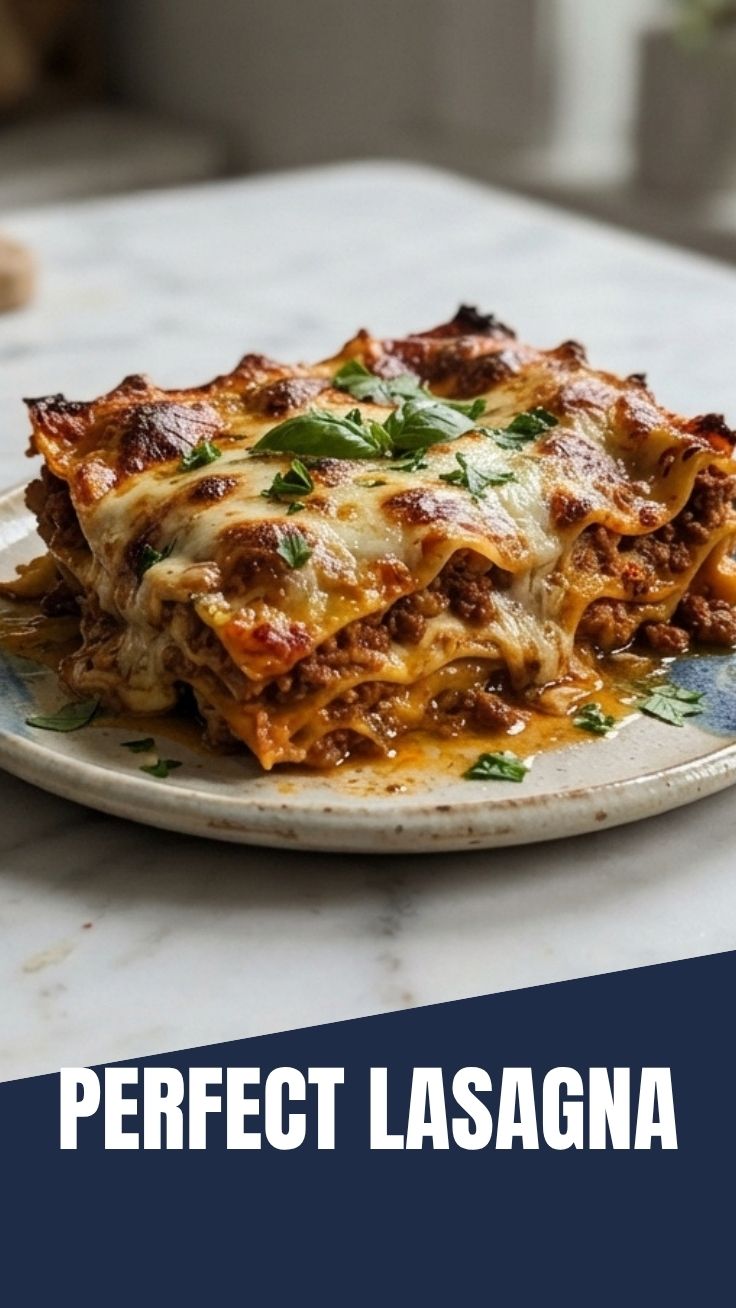
5. Assemble layers: Spread 1/2 cup meat sauce on the bottom of your 9×13 dish. Place 3-4 noodles side by side (slightly overlapping if using homemade). Spread 1/3 ricotta mixture, then 1/3 remaining meat sauce, then 1/3 mozzarella and Parmesan. Repeat layers twice more, ending with cheese on top. This process yields a classic lasagna—but for a twist, try an italian pasta bake style by mixing cooked penne with the sauce and cheese before baking.
6. Bake: Cover tightly with foil and bake 45 minutes. Remove foil and bake 15 more minutes until cheese is bubbling and golden. Let rest 15 minutes—this sets the layers so they slice cleanly. For extra browning, broil 2-3 minutes at the end, watching closely.
Pro tip: Insert a knife into the center—if it comes out hot, lasagna is ready. If not, bake 5-10 minutes more.
—
Nutritional Benefits & Advantages
This homemade lasagna offers more than comfort—it provides nutritional value. A single serving (1/8 of dish) contains approximately 450 calories, 28g protein, 35g carbs, and 22g fat. The ricotta and mozzarella contribute calcium (25% DV) for bone health. The tomato sauce is rich in lycopene, an antioxidant linked to heart health and reduced inflammation. Using lean ground beef (90/10) lowers saturated fat without sacrificing flavor. Adding spinach to the ricotta layer boosts iron and vitamin K. Compared to frozen versions, homemade lasagna has 40% less sodium and no preservatives, making it a balanced choice for family dinners.
—
Tips, Variations & Cooking Advice
Flavor Variations
– Spicy: Add 1/2 tsp red pepper flakes to sauce.
– Herby: Fold in 1/4 cup chopped parsley or oregano into ricotta.
– Creamy: Substitute béchamel sauce for ricotta (2 tbsp butter, 2 tbsp flour, 1 cup milk, pinch nutmeg).
Dietary Adaptations
– Low-carb: Use thinly sliced eggplant or zucchini instead of noodles. Roast slices at 400°F for 10 minutes first to remove moisture.
– Dairy-free: Blend 1 cup soaked cashews with 1/4 cup water, 2 tbsp lemon juice, and 1 tsp salt for ricotta. Use vegan mozzarella shreds.
– Gluten-free: Choose certified gluten-free noodles (rice or corn-based) and check sausage labels.
Alternative Cooking Methods
– Instant Pot: Use 1/2 cup water in pot, layer lasagna on trivet, cook on high 8 minutes, then natural release.
– Slow cooker: Reduce liquid to 1/2 cup, cook on low 4 hours, then uncover for 30 minutes.
—
Common Mistakes to Avoid
1. Watery lasagna: This happens when ricotta has excess moisture. Drain ricotta in a fine-mesh sieve for 30 minutes before mixing. Also, don’t overload with sauce—3 cups is ideal.
2. Overcooked noodles: Use oven-ready noodles to avoid mushiness. If using traditional, cook 1-2 minutes less than package directions.
3. Burnt cheese: Cover with foil for most of baking. Only uncover in the last 15 minutes.
4. Soggy bottom: Always spread a thin layer of sauce on the dish bottom first—this prevents noodles from sticking and absorbing too much moisture.
5. Flat flavor: Season each layer—sauce, ricotta, and even the noodles with a pinch of salt. Don’t skip browning the meat deeply.
—
Storage & Meal Prep Tips
– Refrigeration: Store leftovers in an airtight container for up to 5 days. Reheat individual portions in the microwave (2 minutes on high) or oven (350°F for 15 minutes covered).
– Freezing: Wrap the whole unbaked lasagna tightly in foil, then plastic wrap. Freeze up to 3 months. To bake from frozen, remove plastic wrap, cover with foil, and bake at 375°F for 1 hour 15 minutes, then uncover for 15 minutes.
– Reheating: For best texture, reheat in a 350°F oven. Add a splash of water or milk to the dish before covering to prevent drying. The cheese will remain stretchy and the sauce stays moist.
– Meal prep: Assemble lasagna in two 8×8 dishes—bake one now and freeze the other for later. This saves time and provides quick dinners.
—
Conclusion
Making lasagna at home is more than a recipe—it’s an experience that rewards patience and attention to detail. From the rich meat sauce to the creamy ricotta layers, every step builds flavor. This lasagna recipe is a foundation you can customize endlessly, whether you prefer classic beef or a vegetarian italian pasta bake. By following these instructions, you’ll achieve a dish that’s perfectly balanced, deeply satisfying, and worthy of any family gathering. Try it this weekend—your taste buds will thank you. Share a photo of your creation or tag us in your results; we love seeing your culinary success!
—
FAQs
1. Can I use no-boil noodles without adjusting liquid?
Yes, but ensure your sauce has enough moisture. Use 3 cups of sauce total and cover tightly with foil—the steam hydrates the noodles.
2. How do I prevent layers from sliding apart?
Let the lasagna rest for 15-20 minutes after baking. This allows the starches to set and the cheese to firm up. For extra stability, use a serrated knife to cut.
3. Can I substitute cottage cheese for ricotta?
Yes, but drain cottage cheese in a sieve for 30 minutes first, and blend briefly in a food processor for a smoother texture. It will be slightly tangier.
4. Why is my lasagna too salty?
Pre-grated Parmesan and jarred sauces often contain added salt. Use fresh Parmesan and crushed tomatoes with no added salt. Always taste your sauce before layering.
5. Can I make this vegetarian without losing flavor?
Absolutely! Use sautéed mushrooms (cremini or portobello), lentils, and caramelized onions. Add a pinch of smoked paprika to mimic the savory depth of meat.