The Ultimate Guide to Creamy Homemade Pasta: Fettuccine Alfredo and Pasta Carbonara Perfected
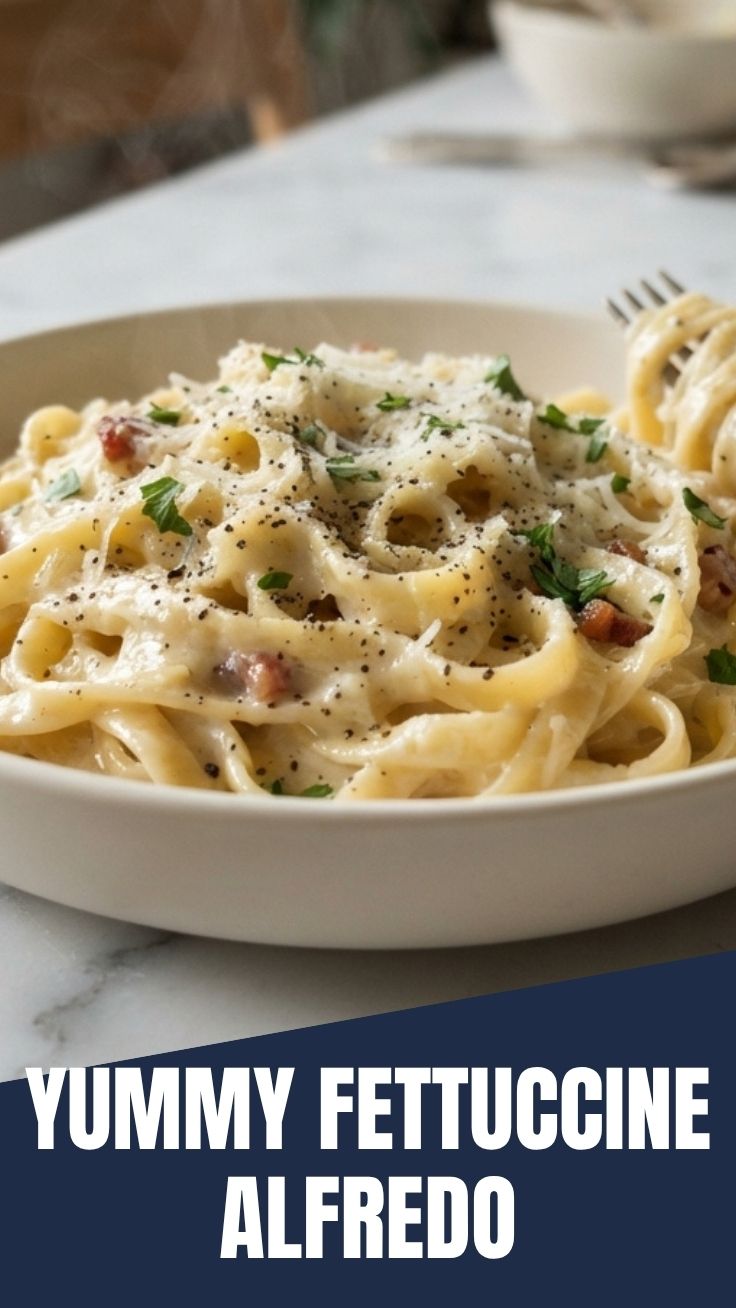
Have you ever wondered why restaurant-style creamy pasta dishes taste so much richer than the ones you make at home? The secret isn’t a special ingredient—it’s technique. Learning to prepare these classic Italian-American dishes from scratch is valuable because it saves money, allows customization, and delivers superior flavor. When you master the art of silky, emulsified sauces, you unlock the potential to create luxurious meals like Fettuccine Alfredo and Pasta Carbonara in your own kitchen. Today, we’re focusing specifically on the Fettuccine Alfredo that every home cook should know.
Ingredients & Kitchen Tools
For Fettuccine Alfredo (Serves 4)
Core Ingredients:
– 12 oz (340g) dried fettuccine – The wide, flat pasta holds the creamy sauce perfectly. Fresh fettuccine works too but cooks in 2-3 minutes.
– 1½ cups (360ml) heavy cream – Provides the luscious base. For lighter version, substitute half-and-half but expect thinner consistency.
– ½ cup (113g) unsalted butter – Adds richness and helps emulsify the sauce. Salted butter can work; just reduce added salt later.
– 1½ cups (150g) freshly grated Parmesan cheese – Pre-shredded won’t melt smoothly. Always grate from a block for optimal texture.
– 3 garlic cloves, minced – Optional but adds depth. Use garlic powder if fresh is unavailable.
– Salt and white pepper to taste – White pepper keeps sauce pristine; black pepper works but adds visible specks.
– 2 tablespoons fresh parsley, chopped – For garnish and freshness.
Kitchen Tools:
– Large stockpot (6-8 quarts) for pasta boiling
– Large skillet or sauté pan (12-inch) for sauce
– Wooden spoon or silicone spatula
– Box grater or microplane for cheese
– Measuring cups and spoons
– Colander
– Chef’s knife and cutting board
For Pasta Carbonara (Serves 4)
Core Ingredients:
– 12 oz (340g) spaghetti or bucatini – Traditional shape; guanciale pairing makes this authentic.
– 4 large eggs – The foundation of carbonara’s creamy texture. Use farm-fresh for best color.
– 1 cup (100g) Pecorino Romano, finely grated – Sharp, salty cheese essential for this Pasta Carbonara.
– 6 oz (170g) guanciale or pancetta – Guanciale is traditional; pancetta is easier to find. Regular bacon works but changes flavor profile.
– 2 tablespoons reserved pasta water – Starchy water emulsifies the sauce.
– Freshly cracked black pepper – Generous amounts create the signature specks.
Prep Time & Cooking Schedule
Total Time: 25 minutes | Active Prep: 10 minutes | Cooking: 15 minutes
– Before starting: Grate all cheese, measure cream, mince garlic, and have all ingredients at room temperature (20-30 minutes out of fridge).
– While water boils: Prepare any vegetables or side dishes (like a simple arugula salad or steamed broccoli).
– Pasta cooking window: Wait until your sauce pan is hot and butter is partially melted before dropping pasta.
– Resting time: None required for these recipes—serve immediately for best texture.
Plan your evening: Start the water boiling first (takes 8-12 minutes), then prepare ingredients. By the time water boils, you’re ready to cook simultaneously.
Step-by-Step Instructions
How to Make Fettuccine Alfredo
Step 1: Boil the pasta
Bring a large pot of generously salted water (1 tablespoon salt per 4 quarts water) to a rolling boil. Add fettuccine and cook until al dente (1 minute less than package directions, typically 8-9 minutes for dried). Reserve 1 cup pasta water before draining.
Step 2: Start the sauce
While pasta cooks, place a large skillet over medium heat. Melt butter and cook garlic for 30 seconds until fragrant but not brown. Reduce heat to low—this is critical. Add heavy cream and stir continuously for 2 minutes. The cream should barely simmer; if it bubbles vigorously, it’s too hot and may separate.
Step 3: Create the emulsion
Once your Fettuccine Alfredo pasta is al dente, use tongs to transfer it directly from the water into the cream sauce (this carries starchy water with it). Add ½ cup reserved pasta water. Toss vigorously for 1-2 minutes, allowing the starch and fat to combine into a silky emulsion. Sprinkle in Parmesan in three additions, tossing between each.
Step 4: Finish and serve
Remove from heat. The sauce should coat each strand beautifully. If too thick, add pasta water tablespoon by tablespoon. Season with white pepper and salt (remember Parmesan is salty). Serve immediately topped with parsley.
How to Make Pasta Carbonara
Step 1: Render the meat
Cut guanciale into small strips (¼-inch thick). Cook in a cold skillet over medium heat—this renders fat slowly without burning. Cook until crispy and golden, about 6-8 minutes. Remove from heat but keep skillet warm.
Step 2: Prepare egg mixture
In a bowl, whisk eggs, Pecorino Romano, and generous black pepper until smooth.
Step 3: Cook pasta
Boil salted water and cook spaghetti until al dente. Reserve 1 cup water.
Step 4: Temper and combine
Remove skillet from stove. Working quickly, add hot drained pasta to the guanciale and its rendered fat. Toss to coat. Remove the skillet from any heat source. Pour egg mixture over pasta while tossing constantly—the residual heat cooks the eggs into a creamy sauce, not scrambled eggs. Add pasta water gradually until sauce is velvety. This Pasta Carbonara technique requires patience and confidence.
Step 5: Serve immediately
Carbonara waits for no one. Present in warm bowls with extra Pecorino and pepper.
Nutritional Benefits & Advantages
This Fettuccine Alfredo offers surprising nutritional value despite its indulgence. Parmesan cheese provides 30% of your daily calcium per serving, supporting bone health. The heavy cream contains fat-soluble vitamins A, D, E, and K, which aid vitamin absorption. Butter supplies butyrate, a short-chain fatty acid linked to reduced inflammation. Pasta provides complex carbohydrates for sustained energy—whole wheat versions offer 5g fiber per serving.
The Pasta Carbonara eggs deliver 6g high-quality protein each, plus choline for brain function. Pecorino Romano is lower in lactose than many cheeses, making it gentler for sensitive digesters. Guanciale’s rendered fat contains oleic acid, the same heart-healthy monounsaturated fat found in olive oil. When balanced with a side salad or vegetables, these dishes can fit into a Mediterranean-style diet.
Tips Variations & Cooking Advice
Flavor Variations:
– Add ½ cup sautéed mushrooms and thyme to Fettuccine Alfredo for earthy depth.
– Stir in 1 teaspoon lemon zest and juice for brightness against the richness.
– Incorporate ½ cup frozen peas (add during last minute of pasta cooking) for color and sweetness.
Ingredient Swaps:
– Dairy-free Fettuccine Alfredo: Use full-fat oat milk (it has the best creamy texture) and vegan butter with nutritional yeast (2 tablespoons) plus ¼ cup raw cashew cream.
– Gluten-free: Barilla or Jovial gluten-free fettuccine works well—cook 2 minutes past al dente for better texture.
Cooking Method Adjustments:
– One-pot method: Cook pasta in shallow water until absorbed, then add butter and cheese directly to the pot. Saves cleanup but yields less silky sauce.
– Baked Alfredo: Prepare as instructed, pour into baking dish, top with breadcrumbs, and broil 2-3 minutes.
Portion Changes:
– Appetizer: Serve in small bowls (about 4 oz pasta each) as a primi course.
– Main dish: Use 3 oz dry pasta per person and add a protein (grilled chicken, shrimp, or roasted vegetables).
Common Mistakes to Avoid
Mistake 1: Overcooking the sauce
Cream sauces curdle at high heat. Keep the pan on low or medium-low. If you see small white flecks, you’ve overheated. Immediately remove from heat and whisk in 1 tablespoon cold butter to potentially re-emulsify.
Mistake 2: Using pre-shredded cheese
Pre-shredded Parmesan contains cellulose anti-caking agents that prevent smooth melting. Always grate from a block. This single change dramatically improves your Fettuccine Alfredo texture.
Mistake 3: Not reserving enough pasta water
Starchy pasta water is the “glue” that binds sauce and noodles. If you forget, dissolve 1 teaspoon cornstarch in ½ cup water as an emergency substitute.
Mistake 4: Scrambling the carbonara eggs
If heat is too high or you don’t toss vigorously, eggs set too quickly. Fix by instantly adding ¼ cup cold pasta water and stirring rapidly to cool the mixture.
Mistake 5: Draining pasta completely dry
Always transfer pasta directly from water to sauce using tongs. Dry pasta absorbs sauce instead of allowing it to coat.
Storage & Meal Prep Tips
Refrigeration: Store leftover Fettuccine Alfredo in an airtight container for up to 3 days. The sauce will thicken and absorb into pasta. Important: Separate any additional cheese or parsley and add when reheating for fresh flavor.
Freezing: Not recommended for cream-based sauces—they separate upon thawing, creating a grainy texture. For Pasta Carbonara, freezing is also avoided (eggs break). However, you can freeze the base components: freeze sauce base (butter and cream mixture) separately for up to 1 month, then combine with fresh pasta when ready.
Reheating Instructions:
1. Stovetop (best method): Place pasta in skillet with 2 tablespoons milk or cream per serving. Heat over low-medium, tossing frequently, for 4-5 minutes until warmed through and sauce loosens.
2. Microwave (quick method): Cover with damp paper towel, microwave in 30-second bursts at 50% power, stirring between each. Add 1 tablespoon water per serving to restore moisture.
3. Oven: Place in covered baking dish at 350°F for 10-12 minutes. Add a splash of cream before covering.
Meal Prep Approach:
– Prepare sauce base up to 2 days ahead (butter, cream, garlic—keep separate).
– Cook pasta fresh the day of serving (dried pasta reheats better than fresh).
– Grate Parmesan weekly and store in airtight container.
– For carbonara, guanciale can be pre-cooked and refrigerated for up to 5 days.
Conclusion
Mastering these creamy pasta recipes transforms your home cooking repertoire. The key takeaways? Use fresh, high-quality ingredients; control your heat carefully; and never skip the pasta water. Whether you’re creating the luxurious Fettuccine Alfredo for a special dinner or the classic Pasta Carbonara for a quick weeknight meal, these techniques ensure restaurant-quality results. Try this recipe tonight and share your creation on social media with #HomemadePastaMastery. For more Italian-inspired dishes, explore our guide to risotto or homemade gnocchi next.
FAQs
Q1: Can I use milk instead of heavy cream for Fettuccine Alfredo?
Yes, but the sauce will be thinner and less stable. To improve texture, thicken milk with 1 tablespoon all-purpose flour or cornstarch dissolved in 2 tablespoons cold water before adding to the pan. Whole milk creates better results than skim.
Q2: My carbonara sauce turned into scrambled eggs—what happened?
You likely added the eggs while the pan was still directly on heat. Always remove the skillet completely from the burner before pouring in the egg mixture. The heat from the just-cooked pasta and residual pan heat is sufficient to create a creamy sauce without cooking the eggs solid.
Q3: How do I make these recipes dairy-free?
For a dairy-free Fettuccine Alfredo, use full-fat coconut cream (not milk) and a dairy-free butter alternative like Miyoko’s. Omit Parmesan or use a plant-based version from brands like Violife. For carbonara, dairy-free versions are challenging because Pecorino Romano is essential—try using a mixture of nutritional yeast and silken tofu blended until smooth.
Q4: Can I add chicken or shrimp to this dish?
Absolutely. For Fettuccine Alfredo, cook diced chicken breast (seasoned with salt, pepper, and garlic powder) in the pan before adding cream, then proceed with the recipe. For shrimp, sauté peeled shrimp in butter for 2 minutes per side, then remove and add back at the end. For carbonara, keep it traditional—adding protein alters the delicate egg emulsion.
Q5: Why does my Alfredo sauce look oily or separated?
This happens when the sauce is overheated (cream and butter separate above 190°F) or when too little starch is present. Fix it by removing from heat, adding 2 tablespoons cold cream and 1 tablespoon pasta water, and whisking vigorously. To prevent it in the future, always use low heat and transfer pasta directly from the cooking water.