Mastering the Perfect Pan-Seared Ribeye: Your Guide to Restaurant-Quality Steak at Home
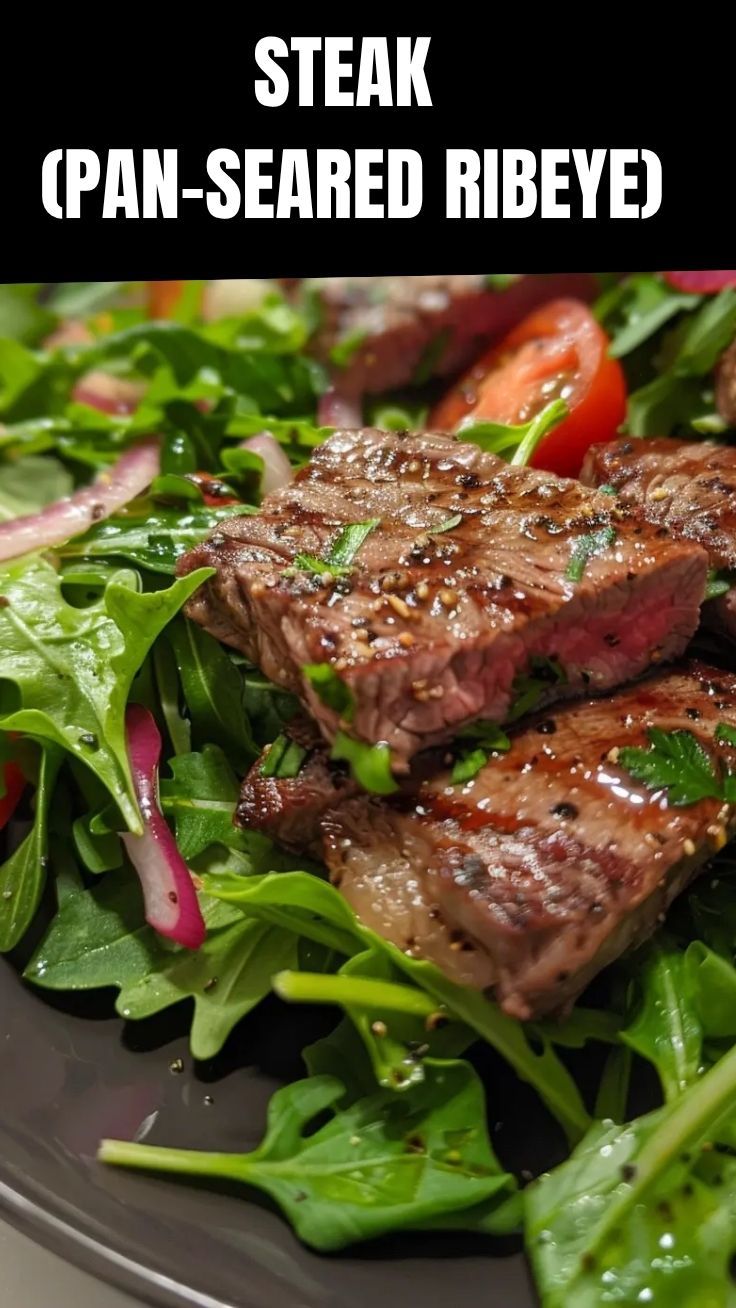
Tired of expensive restaurant steaks that leave you wanting more? What if you could recreate that juicy, flavorful Steak (Pan-Seared Ribeye) experience right in your own kitchen? Preparing a perfectly Pan-Seared Ribeye at home isn’t just about saving money; it’s about control – control over the quality of your ingredients, the exact level of doneness, and the personalized flavor profile that makes every bite an absolute delight. This comprehensive guide will empower you to transform a simple cut of beef into a culinary masterpiece, proving that gourmet dining is well within your grasp, even on a weeknight.
Ingredients & Kitchen Tools
Here’s what you’ll need to create your culinary masterpiece:
- 1.5-inch thick Ribeye Steak (1-1.5 lbs): Look for good marbling, which indicates flavor and tenderness.
- Kosher Salt & Freshly Ground Black Pepper: Essential for seasoning; kosher salt’s larger crystals absorb evenly.
- 2 tbsp High Smoke Point Oil (Avocado, Grapeseed, or Canola): For searing without burning.
- 2 tbsp Unsalted Butter: Adds richness and helps create a beautiful crust.
- 2-3 Sprigs Fresh Rosemary or Thyme: Infuses aromatic flavors into the butter.
- 2-3 Cloves Garlic (smashed): Adds a subtle, savory aroma.
- Cast Iron Skillet or Heavy-Bottomed Stainless Steel Pan: Crucial for even heat distribution and a perfect sear.
- Tongs: For easy flipping without piercing the meat.
- Meat Thermometer: The key to precise doneness.
- Cutting Board & Sharp Knife: For presentation and serving.
Prep Time & Cooking Schedule
- Prep Time: 15 minutes (includes bringing steak to room temperature)
- Cook Time: 8-12 minutes (depending on desired doneness)
- Resting Time: 5-10 minutes
For best results, plan to remove your steak from the refrigerator at least 30-60 minutes before cooking. This allows the meat to come to room temperature, ensuring more even cooking throughout and preventing a cold center.
Step-by-Step Instructions
1. Pat Dry & Season: Thoroughly pat your Steak (Pan-Seared Ribeye) dry on both sides with paper towels. This is crucial for achieving a beautiful crust. Season generously with kosher salt and black pepper on all sides.
2. Preheat Pan: Place your cast iron skillet over high heat for 3-5 minutes until it’s smoking lightly. Add the high smoke point oil and swirl to coat the pan.
3. Sear First Side: Carefully place the steak in the hot pan. You should hear an immediate, aggressive sizzle. Sear for 2-3 minutes without moving it, allowing a deep brown crust to form.
4. Flip & Continue Searing: Flip the steak and sear the second side for another 2-3 minutes.
5. Butter Baste: Reduce heat to medium. Add butter, rosemary/thyme, and smashed garlic to the pan. Tilt the pan slightly and use a spoon to continuously baste the melted butter over the steak for 1-2 minutes per side. This adds incredible flavor and encourages even cooking.
6. Check Doneness: Insert a meat thermometer into the thickest part of the steak, avoiding bone.
* Rare: 120-125°F
* Medium-Rare: 125-130°F (RECOMMENDED for Ribeye)
* Medium: 130-135°F
* Medium-Well: 135-140°F
Remove the steak 5-10 degrees before your target temperature, as it will continue to cook as it rests. Achieving a perfect Pan-Seared finish is all about temperature control!
7. Rest the Steak: Transfer the steak to a cutting board and tent loosely with foil. Let it rest for 5-10 minutes. This allows the juices to redistribute, resulting in a more tender and flavorful steak.
8. Slice & Serve: Slice against the grain and serve immediately.
Nutritional Benefits & Advantages
Ribeye steak, when enjoyed in moderation, is an excellent source of protein, essential for muscle repair and growth. It’s also rich in vital nutrients like iron (crucial for oxygen transport), zinc (for immune function), and B vitamins (energy metabolism). By preparing your steak at home, you avoid hidden sugars, excessive sodium, and unhealthy oils often found in restaurant dishes, giving you complete control over your intake.
Tips, Variations & Cooking Advice
- Compound Butter: For an extra flavor boost, create a garlic-herb compound butter beforehand and add a pat to the steak during the resting period.
- Spice Rub: Experiment with a dry rub containing paprika, garlic powder, onion powder, and a touch of cayenne for a smoky kick.
- Reverse Sear: For a larger, thicker ribeye (2+ inches), consider the reverse sear method: bake in a low oven (250°F) until 10-15°F below target, then sear in a hot pan.
- Don’t Overcrowd: If cooking multiple steaks, work in batches to avoid lowering the pan’s temperature, which would steam the meat instead of searing it.
Common Mistakes to Avoid
- Not Drying the Steak: A moist surface prevents a good sear, leading to a grey, unappetizing crust.
- Cooking a Cold Steak: Leads to uneven cooking, with the outside overcooked and the inside still raw.
- Flipping Too Often: Leave the steak undisturbed to allow a crust to form.
- Cutting Too Soon (Not Resting): The juices will spill out, leaving you with dry meat.
- Using Too Low Heat: You need a blazing hot pan for a proper sear.
- Ignoring the Meat Thermometer: Guessing doneness is a recipe for disappointment. Trust the thermometer!
Storage & Meal Prep Tips
Leftover Steak (Pan-Seared Ribeye) can be stored in an airtight container in the refrigerator for 3-4 days. For best results, slice any remaining steak thinly before refrigerating. To reheat, gently warm in a skillet over low heat with a touch of broth or butter to prevent drying out, or enjoy cold in salads or sandwiches. Freezing cooked steak is possible but may affect texture.
Conclusion
Mastering the art of a perfect Steak (Pan-Seared Ribeye) at home is a truly rewarding culinary skill. With the right technique, a hot pan, and a little patience, you can consistently achieve that coveted, restaurant-quality crust and juicy, tender interior. Don’t be intimidated by this seemingly gourmet dish; the process of creating a perfectly Pan-Seared steak is surprisingly straightforward and incredibly satisfying. Give this recipe a try, and prepare to impress your taste buds and your dinner guests! Share your perfect steak creations in the comments below!
FAQs
Q1: How do I know if my pan is hot enough?
A1: Your pan is hot enough when a drop of water sizzles and evaporates immediately, or when you see a wisp of smoke from the oil.
Q2: Can I use a different cut of steak for this recipe?
A2: While ribeye is ideal for its marbling, you can use other well-marbled cuts like New York Strip or Sirloin. Adjust cooking times based on thickness and fat content.
Q3: My steak isn’t getting a good crust; what am I doing wrong?
A3: Ensure your steak is thoroughly dry before seasoning and that your pan is smoking hot before adding the oil and then the steak. Don’t overcrowd the pan.
Q4: How important is resting the steak?
A4: Resting is crucial! It allows the muscle fibers to relax and reabsorb juices, preventing them from running out when you cut into the steak, resulting in a significantly more tender and flavorful result.
Q5: What internal temperature is safe for steak?
A5: While many prefer medium-rare, the USDA recommends a minimum internal temperature of 145°F (medium) for whole cuts of beef for food safety.
Quick way to grow a Perfect Steak (Pan-Seared Ribeye) in 6 Steps
Ingredients
Equipment
Method
- Pat the ribeye steak dry with paper towels and season generously with salt and black pepper on both sides.
- Heat olive oil in a heavy-bottomed or cast-iron skillet over high heat until it just begins to smoke.
- Place the steak in the hot skillet and sear for 2-3 minutes per side until a deep brown crust forms.
- Reduce heat to medium-low, add butter, smashed garlic, and rosemary to the skillet, then baste the steak with the melted butter for 1-2 minutes.
- Continue cooking to your desired doneness, using a meat thermometer: 125-130°F for rare, 130-135°F for medium-rare, or 135-140°F for medium.
- Remove the steak from the skillet and allow it to rest on a cutting board for at least 5-10 minutes before slicing.