Savor the Comfort: Crafting the Perfect Hearty Beef Stew at Home
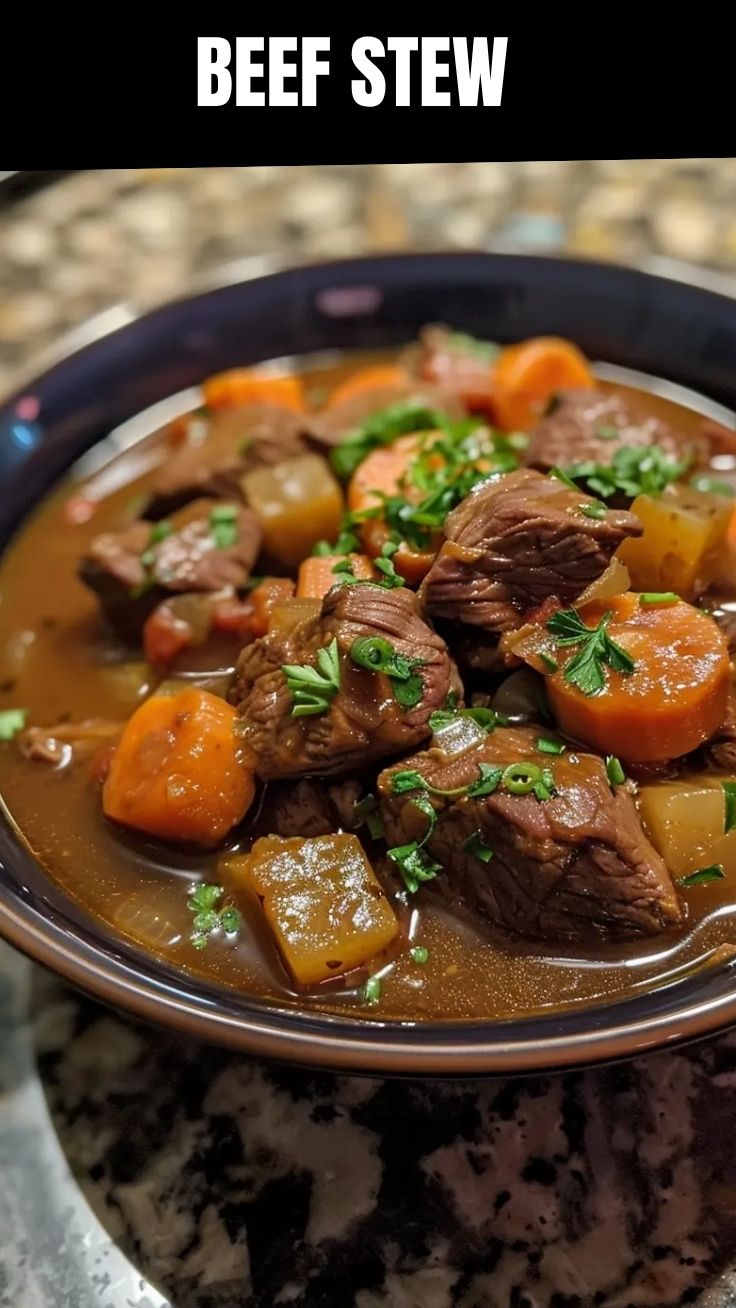
Are you tired of bland, uninspired weeknight dinners? Do you yearn for a dish that warms your soul and satisfies your deepest cravings? Look no further than the humble yet extraordinary Beef Stew. There’s an undeniable magic in a bubbling pot of savory beef and tender vegetables, a culinary embrace that transcends mere sustenance. Preparing this timeless Recipe at home isn’t just about cooking; it’s about creating an experience, a memory, and a testament to the comforting power of good food. Forget store-bought shortcuts; we’re diving deep into crafting a truly exceptional stew that will become a staple in your culinary repertoire. This comprehensive guide will empower you to master this classic, ensuring every spoonful is bursting with flavor and unparalleled richness.
Ingredients & Kitchen Tools
To embark on this delightful culinary journey, gather the following:
- 2 lbs Boneless Beef Chuck: Cut into 1.5-inch cubes. Chuck roasts are ideal for stews due to their marbling, which breaks down during slow cooking, yielding incredibly tender results.
- 2 tbsp Olive Oil: For searing the beef and sautéing vegetables, adding a rich depth of flavor.
- 1 Large Yellow Onion: Diced. Provides a foundational aromatic sweetness.
- 3 Carrots: Peeled and cut into 1-inch pieces. Adds natural sweetness and vibrant color.
- 3 Celery Stalks: Sliced into 1-inch pieces. Contributes a subtle, earthy peppery note and aromatic complexity.
- 4 cloves Garlic: Minced. Essential for its pungent, savory depth.
- 1 cup Dry Red Wine (e.g., Merlot, Cabernet Sauvignon): Opt for a wine you’d enjoy drinking. This deglazes the pot, adding complexity and richness to the sauce. (Optional, can substitute with more beef broth).
- 4 cups Beef Broth: Low sodium is preferred, allowing you to control the seasoning.
- 1 (14.5 oz) Can Diced Tomatoes: Undrained. Adds acidity and a subtle tang to balance the richness.
- 2 tbsp Tomato Paste: Intensifies the tomato flavor and thickens the stew.
- 1 tbsp Worcestershire Sauce: A secret weapon for adding umami and a savory depth.
- 2 Bay Leaves: Infuses a subtle herbaceous note.
- 1 tsp Dried Thyme: Classic pairing with beef, offering an earthy, savory aroma.
- 1.5 lbs Potatoes: Peeled and cut into 1.5-inch cubes (e.g., Russet or Yukon Gold). Starchy potatoes thicken the stew naturally.
- Salt and Freshly Ground Black Pepper: To taste. Season generously at various stages.
- 2 tbsp Fresh Parsley: Chopped, for garnish. Adds a fresh, vibrant finish.
Kitchen Tools:
- Large Dutch Oven or Heavy-Bottomed Pot: Essential for even heat distribution and slow simmering.
- Cutting Board: For safe and efficient chopping.
- Sharp Knife: A good quality knife makes prep work a breeze.
- Measuring Cups and Spoons: For accurate ingredient proportions.
- Wooden Spoon or Spatula: For stirring and scraping the bottom of the pot.
Prep Time & Cooking Schedule
- Prep Time: 25 minutes
- Cook Time: 2 hours and 30 minutes to 3 hours (simmering time)
- Resting Time: 10-15 minutes (after cooking, allows flavors to meld)
This Beef Stew is a perfect weekend project or ideal for a slow day when you can enjoy the delicious aromas filling your kitchen. The long simmering time is crucial for tenderizing the beef and developing deep, complex flavors. Plan to start approximately 3-4 hours before your desired serving time.
Step-by-Step Instructions
1. Prepare the Beef: Pat the beef cubes thoroughly dry with paper towels. Season generously with salt and pepper.
2. Sear the Beef: Heat olive oil in a large Dutch oven over medium-high heat until shimmering. Working in batches to avoid crowding the pot, sear the beef on all sides until deeply browned. This caramelization creates incredible flavor. Remove the seared beef and set aside.
3. Sauté Aromatics: Add a little more olive oil if needed to the pot. Add the diced onion, carrots, and celery. Cook, stirring occasionally, for 5-7 minutes until softened. Stir in the minced garlic and cook for another minute until fragrant.
4. Deglaze: Pour in the red wine (if using) and scrape the bottom of the pot with a wooden spoon to release any browned bits. Let the wine simmer and reduce for 2-3 minutes.
5. Build the Base: Stir in the tomato paste, beef broth, diced tomatoes (undrained), Worcestershire sauce, bay leaves, and dried thyme. Return the seared beef to the pot. Bring the mixture to a gentle boil, then reduce the heat to low, cover, and simmer for 1 hour and 30 minutes. This slow simmer is essential for tenderizing the beef and marrying the flavors of this hearty Beef Stew.
6. Add Potatoes: After 1 hour and 30 minutes, add the cubed potatoes to the pot. Continue to simmer, covered, for another 45 minutes to 1 hour, or until the potatoes are fork-tender and the beef is easily shredded. Ensure the potatoes are fully submerged for even cooking.
7. Season and Finish: Remove the bay leaves. Taste the stew and adjust seasoning with salt and pepper as needed. The rich flavors of this delectable Recipe are now fully developed.
8. Serve: Ladle the hearty concoction into bowls, garnish with fresh parsley, and serve hot.
Nutritional Benefits & Advantages
This Beef Stew is a powerhouse of nutrition. Beef chuck provides an excellent source of protein, essential for muscle repair and growth, along with iron, zinc, and B vitamins. The abundance of vegetables—carrots, celery, onions, and potatoes—contributes a wealth of dietary fiber, vitamins (like Vitamin A from carrots, Vitamin C from potatoes), and antioxidants. It’s a balanced, wholesome meal that keeps you feeling full and energized.
Tips, Variations & Cooking Advice
- Thickening: If you prefer a thicker stew, you can make a slurry of 1-2 tablespoons of cornstarch mixed with an equal amount of cold water. Stir this into the simmering stew during the last 15 minutes of cooking.
- Vegetable Variations: Feel free to add other root vegetables like parsnips or rutabaga, or even green peas in the last few minutes for extra freshness.
- Herb Power: Experiment with other herbs like rosemary or dried oregano for different flavor profiles.
- Slow Cooker Method: After searing the beef and sautéing the aromatics on the stovetop, transfer everything to a slow cooker. Cook on low for 6-8 hours or on high for 3-4 hours, adding potatoes during the last 1.5-2 hours.
- Pressure Cooker Method: Sear the beef and sauté aromatics as directed. Add all ingredients (except parsley) to the pressure cooker. Cook on high pressure for 45-50 minutes, then allow for natural release for 10 minutes before quick releasing the remaining pressure.
Common Mistakes to Avoid
- Crowding the Pot: When searing the beef, avoid putting too much in the pot at once. This steams the meat instead of browning it, preventing that crucial flavor development. Work in batches.
- Not Drying the Beef: Excess moisture on the beef surface inhibits proper searing. Always pat the beef dry.
- Under-Seasoning: Seasoning at various stages is key. Taste and adjust salt and pepper throughout the process.
- Rushing the Simmer: The long, slow simmer is non-negotiable for tender beef. Patience is a virtue here.
- Overcooking Vegetables: While the beef needs time, avoid adding delicate vegetables too early, which can result in mushiness.
Storage & Meal Prep Tips
This Beef Stew is a fantastic make-ahead meal!
- Refrigeration: Store cooled leftovers in airtight containers in the refrigerator for up to 3-4 days. The flavors often deepen overnight.
- Freezing: This stew freezes beautifully. Allow it to cool completely, then transfer to freezer-safe containers or heavy-duty freezer bags. It can be frozen for up to 3 months. Thaw overnight in the refrigerator before reheating.
- Reheating: Reheat gently on the stovetop over medium-low heat, stirring occasionally, until heated through. You may need to add a splash of broth or water to adjust consistency. Avoid high heat, which can make the beef tough.
Conclusion
There you have it: a definitive guide to crafting a spectacular homemade Beef Stew that will undoubtedly earn a spot in your weekly rotation. From the initial searing to the long, comforting simmer, every step in this Recipe builds layers of flavor that culminate in a dish both satisfying and memorable. Don’t be intimidated by the cook time; the hands-on effort is minimal, and the reward is immense. We encourage you to try this recipe, personalize it with your favorite ingredients, and share your culinary triumphs with us! What are your go-to comfort foods?
FAQs
Q: Can I use different cuts of beef?
A: While beef chuck is highly recommended for its tenderness when slow-cooked, you can also use beef round or short ribs, though cooking times might vary.
Q: What can I use instead of red wine?
A: You can substitute the red wine with an equal amount of beef broth, or a combination of beef broth and a splash of red wine vinegar for acidity.
Q: My stew isn’t thickening enough. What can I do?
A: You can make a cornstarch slurry (1-2 tablespoons cornstarch mixed with an equal amount of cold water) and stir it into the simmering stew during the last 15 minutes of cooking.
Q: Can I make this dairy-free or gluten-free?
A: This Beef Stew is naturally dairy-free. To make it gluten-free, ensure your beef broth and Worcestershire sauce are certified gluten-free. No other modifications are typically needed.
Q: What are good side dishes to serve with beef stew?
A: Crusty bread, a simple green salad, mashed potatoes (if not already in the stew), or even rice are excellent accompaniments to soak up the delicious broth.
Proven way to grow beef stew
Ingredients
Equipment
Method
- Prepare your planting area with rich potting soil, ensuring good drainage.
- Plant the beef stew seeds about 1 inch deep and 6 inches apart, then water thoroughly.
- Place the planted area in a spot that receives 6-8 hours of direct sunlight daily.
- Water regularly to keep the soil moist, but avoid overwatering.
- After several weeks, small beef stew sprouts will emerge; nurture them carefully.
- Continue watering and providing sunlight until the beef stew is fully grown and ready for harvest.