Unlocking the Heart of Italy in Your Kitchen: The Ultimate Homemade Bolognese Experience
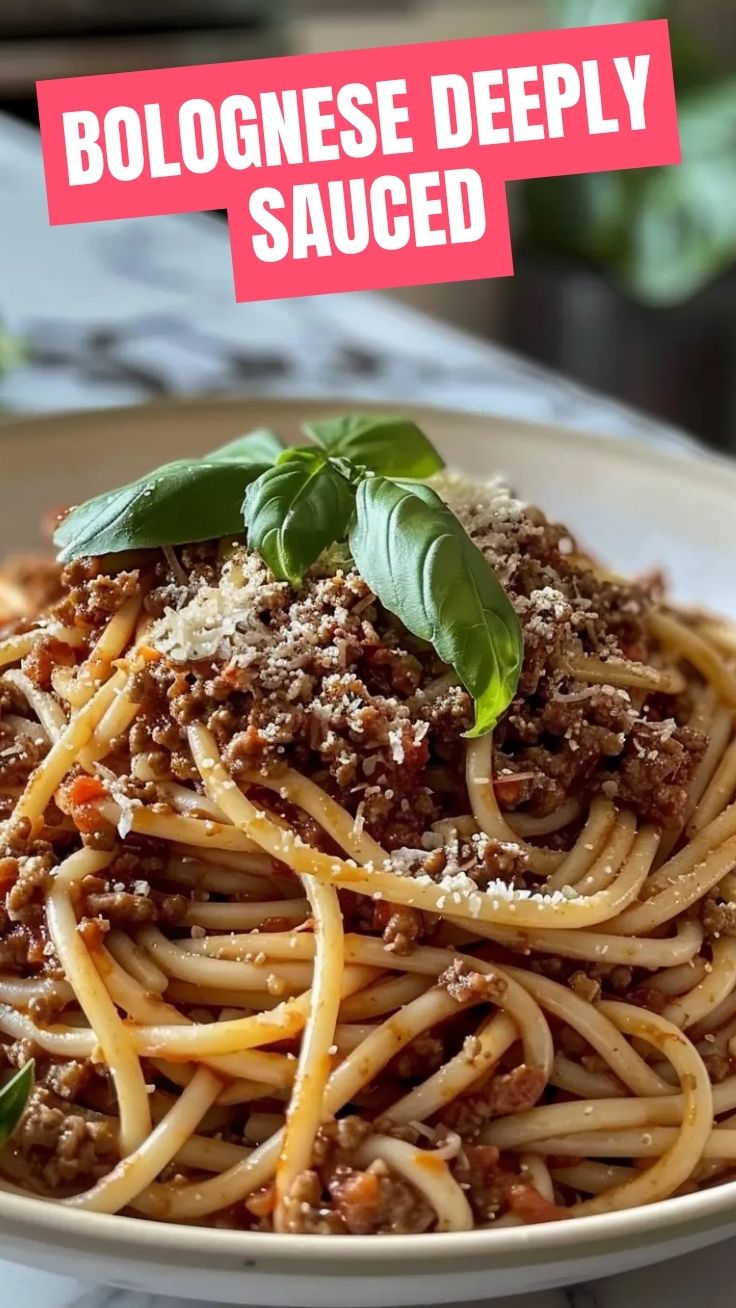
Imagine the tantalizing aroma of slow-simmered perfection wafting through your home, promising a meal that transcends mere sustenance. Have you ever yearned to create a dish so rich, so comforting, and so utterly delicious that it transports you straight to the heart of Italy with every bite? Today, we’re embarking on a culinary journey to master the art of homemade Bolognese—a true testament to the value of preparing quality meals from scratch. While restaurant versions can be delightful, crafting your own allows for unparalleled control over flavor, quality, and the sheer joy of creation. Get ready to elevate your weeknight dinners and impress your loved ones with a truly authentic Spaghetti Bolognese that will become a cherished family favorite.
Ingredients & Kitchen Tools
- 1 tbsp Olive Oil: Extra virgin for a fruity note, or regular for general sautéing.
- 1 Large Onion, finely diced: Provides a foundational sweetness and aromatic base.
- 2 Carrots, finely diced: Adds sweetness, color, and a subtle earthy flavor.
- 2 Celery Stalks, finely diced: Contributes a fresh, slightly peppery note to the soffritto.
- 500g Ground Beef (80/20 lean): A good fat-to-meat ratio ensures a tender, flavorful sauce.
- 100g Pancetta, finely diced (optional): Cured Italian pork belly adds incredible depth and umami.
- 2 cloves Garlic, minced: Essential aromatic for robust flavor.
- 150ml Dry Red Wine (e.g., Merlot, Sangiovese): Deglazes the pan and adds complex fruity notes.
- 400g Canned Chopped Tomatoes: The backbone of the sauce; choose good quality for best flavor.
- 150ml Beef Stock: Adds richness and liquid for simmering.
- 50ml Milk: Surprisingly, milk tenderizes the meat and mellows the acidity of the tomatoes.
- 2 Bay Leaves: Infuses a subtle herbal aroma.
- Freshly Grated Nutmeg (pinch): Essential secret ingredient that brightens and deepens flavor.
- Salt and Freshly Ground Black Pepper: To taste, for seasoning.
- 400g Spaghetti or Tagliatelle: The classic pasta choice for Bolognese (or any wide, flat pasta).
- Fresh Parmesan Cheese, for serving: A must-have garnish for salty, umami notes.
- Large Heavy-Bottomed Pot or Dutch Oven: For even heat distribution during simmering.
- Wooden Spoon: For stirring and scraping the bottom of the pot.
- Sharp Knife: For precise dicing of vegetables.
- Cutting Board: For safe and efficient preparation.
- Measuring Cups & Spoons: For accurate ingredient quantities.
Prep Time & Cooking Schedule
- Prep Time: 20 minutes (for chopping vegetables and gathering ingredients)
- Cook Time: 2.5 – 3 hours (allow ample time for simmering; this is where the magic happens!)
- Resting Time: 10 minutes (after cooking pasta, before combining with sauce)
This recipe is a labor of love that rewards patience. The long simmering time is crucial for developing the rich, nuanced flavors of the Bolognese. Plan to start this dish well in advance of dinner, perhaps in the late afternoon, allowing it to gently bubble away and fill your home with its irresistible scent.
Step-by-Step Instructions
1. Prepare the Soffritto: Heat olive oil in your heavy-bottomed pot over medium heat. Add the diced onion, carrots, and celery (this trio is known as a soffritto). Sauté gently for 8-10 minutes until the vegetables are softened and translucent, not browned. If using pancetta, add it now and cook until crispy, then remove and set aside, reserving some of the rendered fat.
2. Brown the Meat: Increase heat to medium-high. Add the ground beef to the pot, breaking it up with a wooden spoon. Cook until thoroughly browned, about 8-10 minutes. Drain off any excess fat if desired (though some fat adds flavor). Stir in the minced garlic and cook for another minute until fragrant.
3. Deglaze with Wine: Pour in the red wine, scraping the bottom of the pot to release any browned bits (fond) – this is packed with flavor! Let the wine bubble and reduce by about half, approximately 5-7 minutes.
4. Add Tomatoes & Liquids: Stir in the chopped tomatoes, beef stock, milk, bay leaves, and a pinch of freshly grated nutmeg. Season generously with salt and pepper. Bring the sauce to a gentle simmer.
5. Long, Slow Simmer: Reduce the heat to low, cover the pot partially (allowing a little steam to escape), and let the Spaghetti Bolognese sauce gently simmer for a minimum of 2.5 hours, or up to 4 hours, stirring occasionally. The longer it simmers, the deeper and more complex the flavor will be. The sauce should thicken considerably and develop a rich, glossy appearance.
6. Cook the Pasta: About 15 minutes before the sauce is ready, bring a large pot of salted water to a rolling boil. Add your chosen pasta (e.g., spaghetti or tagliatelle) and cook according to package directions until al dente.
7. Combine & Serve: Drain the pasta, reserving about a cup of the starchy pasta water. Add the cooked pasta directly to the Bolognese sauce with a splash of pasta water, tossing to coat. The starch in the pasta water helps emulsify the sauce and create a luscious coating. Serve immediately, topped with extra Parmesan cheese and, if desired, the crispy pancetta. This same rich meat sauce is phenomenal with other pasta shapes for a delicious Pasta Bolognese experience.
Nutritional Benefits & Advantages
This homemade Bolognese, when crafted with quality ingredients, offers more than just incredible flavor. The ground beef provides a significant source of protein, essential for muscle repair and satiety. Carrots, celery, and onions contribute vitamins, minerals, and dietary fiber. The long simmering process makes nutrients more bioavailable and breaks down the meats and vegetables into easily digestible forms. Choosing whole wheat pasta can further boost fiber content, making this a well-rounded and satisfying meal that keeps you feeling fuller for longer.
Tips, Variations & Cooking Advice
- Meat Blend: Experiment with a blend of ground beef, pork, and even a little veal for a true traditional Bolognese flavor profile.
- Herbs: While bay leaves are classic, a sprig of fresh rosemary or thyme added during the simmer can lend additional aromatic notes.
- Spice it Up: A pinch of red pepper flakes can add a subtle kick if you enjoy a little heat.
- Dairy-Free: Omit the milk, or use a dairy-free alternative if needed. The flavor will still be fantastic.
- Vegetarian Option: Swap the meat for finely chopped mushrooms (cremini work well), lentils, or a plant-based ground alternative for a delicious meat-free version.
- Batch Cooking: Bolognese freezes beautifully! Make a double batch and freeze portions for quick weeknight meals.
Common Mistakes to Avoid
- Rushing the Soffritto: Don’t skimp on cooking the vegetables. They need to be soft and sweet to form a proper flavor base.
- Not Browning the Meat Properly: Ensure the beef is well-browned before adding liquids; this creates crucial depth of flavor through the Maillard reaction.
- Skipping the Wine: The red wine isn’t just for deglazing; its acidity and fruity notes are vital for balancing the richness of the meat and tomatoes.
- Short Simmer Time: This is the most common mistake! True Bolognese needs time for the flavors to meld and deepen. A quick simmer will result in a flat, uninspired sauce.
- Overcooking the Pasta: Always cook pasta to al dente (to the tooth) for the best texture.
Storage & Meal Prep Tips
Leftover Bolognese sauce is even better the next day as the flavors continue to develop.
- Refrigeration: Store cooled Bolognese sauce in an airtight container in the refrigerator for up to 3-4 days. Store cooked pasta separately or combine before storing.
- Freezing: Bolognese sauce freezes exceptionally well. Portion the cooled sauce into freezer-safe containers or bags and freeze for up to 3 months. Thaw overnight in the refrigerator before reheating.
- Reheating: Gently reheat the sauce on the stovetop over low heat, adding a splash of water or broth if it’s too thick. If reheating with pasta, add a little extra moisture to prevent dryness.
Conclusion
Mastering a truly authentic Bolognese at home is an incredibly rewarding culinary experience. From the careful crafting of the soffritto to the patient, slow simmer, each step contributes to a dish of unparalleled depth and comfort. Whether you’re aiming for a classic plate of Spaghetti Bolognese or exploring other delightful pasta pairings for your Pasta Bolognese, the effort is undeniably worth it. We encourage you to try this recipe, savor the process, and share your delicious results with us! Happy cooking!
FAQs
Q1: Can I make Bolognese ahead of time?
A1: Absolutely! Bolognese is one of those dishes that often tastes even better the next day. You can prepare the sauce fully up to 3 days in advance and store it in the refrigerator.
Q2: What’s the best type of pasta to serve with Bolognese?
A2: While spaghetti is common, traditionally Bolognese is served with wider, flatter pasta shapes like tagliatelle, pappardelle, or fettuccine. These shapes better absorb and hold the rich, hearty sauce.
Q3: Can I substitute the red wine?
A3: Yes, you can substitute the red wine with beef broth or a combination of beef broth and a splash of balsamic vinegar for acidity. However, the wine does add a unique depth of flavor.
Q4: My Bolognese sauce is too thin/thick. How can I fix it?
A4: If it’s too thin, simmer it uncovered for a bit longer to reduce. If it’s too thick, add a little more beef stock or water until it reaches your desired consistency.
Q5: Is it okay to use ground turkey or chicken instead of beef?
A5: While not traditional for Bolognese, you can certainly substitute ground turkey or chicken for a leaner alternative. The flavor profile will be different, but still delicious, especially if you add extra herbs and spices.
Best way to grow your perfect Spaghetti Bolognese
Ingredients
Equipment
Method
- Plant your tomato, bell pepper, onion, and herb seeds in well-draining soil, ensuring they receive adequate sunlight and water.
- Care for your plants by regularly watering them, providing appropriate nutrients, and protecting them from pests, allowing them to grow until ripe for harvest.
- Once your vegetables and herbs are ready, carefully harvest them for use in your bolognese sauce.
- Finely chop the harvested onions and garlic, and dice the bell peppers.
- Heat olive oil in a large pot or Dutch oven, then add the ground beef to brown, breaking it apart as it cooks.
- Drain excess fat, then add the chopped onions, garlic, and bell peppers, cooking until softened.
- Pour in the red wine, scraping up any browned bits from the bottom of the pot, and let it simmer until reduced by half.
- Stir in the canned crushed tomatoes, beef broth, fresh basil, and oregano, then season with salt, pepper, and an optional teaspoon of sugar.
- Bring the sauce to a simmer, then reduce heat, cover, and let it cook for at least 30 minutes, or longer for a richer flavor, stirring occasionally.
- While the bolognese simmers, cook the spaghetti according to package instructions until al dente.
- Serve the bolognese sauce over the cooked spaghetti, garnished with grated Parmesan cheese and fresh basil.