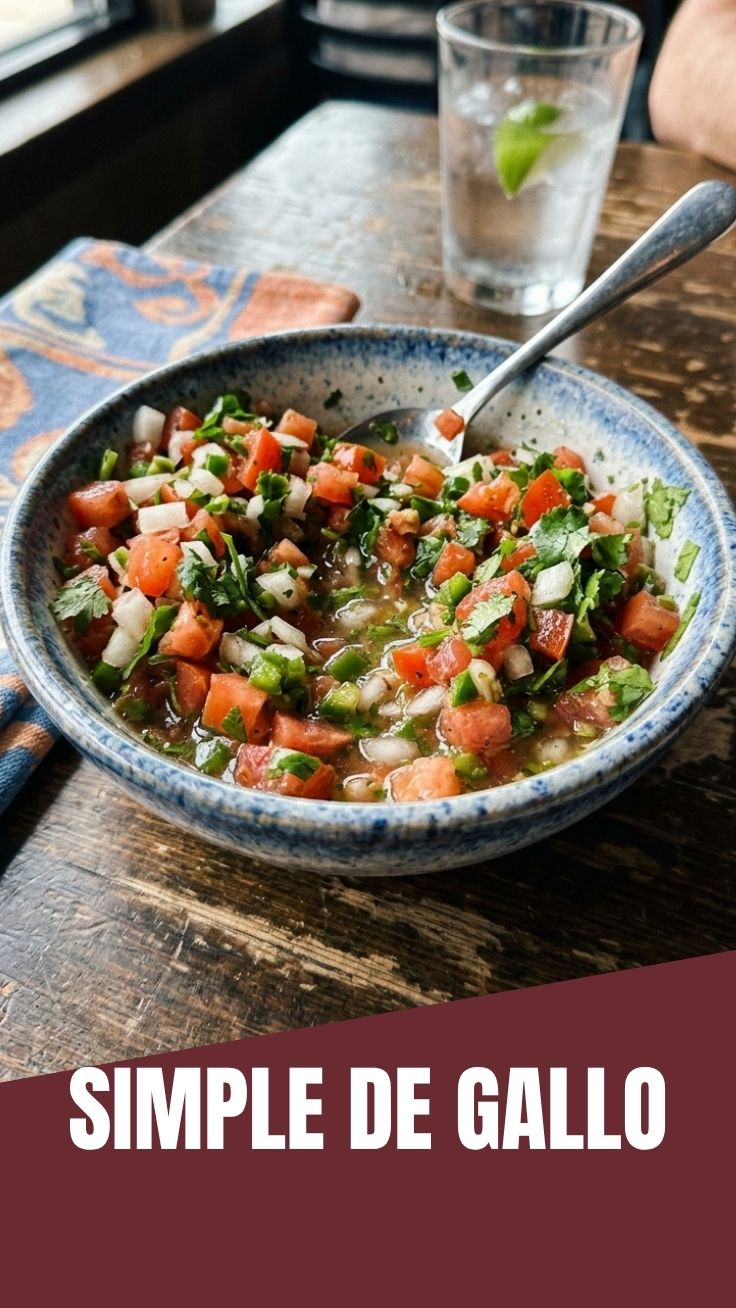
Authentic Pico de Gallo: The Freshest Salsa You’ll Ever Make
Have you ever wondered why restaurant salsa tastes so vibrant and crisp, while store-bought versions fall flat? The secret lies in making it fresh at home. Nothing compares to the crunch of hand-diced tomatoes, the zing of lime, and the gentle heat of jalapeño in a truly authentic Pico de Gallo. This Mexican staple, also known as Salsa Fresca, is not only incredibly simple to prepare but also packs a nutritional punch. By creating your own batch, you control every ingredient—no preservatives, no added sugar, just pure garden-fresh flavor. Whether you’re topping tacos, scooping with chips, or brightening up grilled meats, this recipe will become your go-to. Ready to ditch the jar? Let’s dive into the freshest condiment you’ll ever make.
—
Ingredients & Kitchen Tools
Ingredients
– Roma tomatoes (4–5 medium) – Firmer flesh yields less watery salsa. Seeding reduces excess moisture.
– White onion (½ medium) – Sharp, crisp bite. Red onion works as a milder substitute.
– Fresh cilantro (½ cup, chopped) – Use leaves and tender stems; skip if you’re among those who genetically dislike it.
– Jalapeño pepper (1–2, seeds removed for less heat) – Serrano peppers offer a spicier punch.
– Fresh lime juice (2 tablespoons) – Always fresh; bottled lacks brightness.
– Salt (½ teaspoon, or to taste) – Flaky sea salt blends best.
– Optional: garlic (1 small clove, minced) – Adds depth but is not traditional.
– Optional: sugar (a pinch) – Balances acidity if tomatoes are underripe.
Kitchen Tools
– Sharp chef’s knife
– Cutting board
– Mixing bowl (non-reactive: glass, ceramic, or stainless steel)
– Spoon for stirring
– Fine-mesh strainer (if deseeding tomatoes)
– Measuring spoons
– Airtight container (for storage)
—
Prep Time & Cooking Schedule
– Prep time: 15 minutes
– Resting time (optional): 10–15 minutes (for flavors to meld)
– Total time: 15–30 minutes
This is a no-cook recipe, so planning is minimal. Best made 30 minutes before serving to allow flavors to marry, but can be served immediately. The resting period gives the lime juice a chance to lightly pickle the onion and soften the cilantro.
—
Step-by-Step Instructions
1. Prepare the tomatoes: Cut each Roma tomato in half horizontally. Gently squeeze out the seeds and juice over a bowl or sink. (This step reduces sogginess.) Dice into ¼-inch cubes.
2. Dice the onion: Finely chop the white onion into similarly sized pieces. Rinse under cold water in a strainer to mellow its bite, then drain well.
3. Chop the cilantro: Gather the leaves and tender stems, then chop roughly. Avoid over-chopping to prevent bitterness.
4. Handle the jalapeño: Slice in half lengthwise, remove seeds and white membrane (for less heat), then finely dice. Wash hands thoroughly after handling.
5. Combine ingredients: Place diced tomatoes, onion, cilantro, and jalapeño in a mixing bowl.
6. Add lime and salt: Pour over fresh lime juice and sprinkle salt. Stir gently to combine.
7. Taste and adjust: Sample with a chip. Need more tang? Add another squeeze of lime. Too acidic? A pinch of sugar balances it. This step is where your Pico de Gallo becomes uniquely yours.
8. Rest (optional): Let the mixture sit for 10–15 minutes at room temperature before serving. The flavors deepen, and the Salsa Fresca character emerges beautifully.
Pro tip: For extra crunch, add the onion and cilantro just before serving if making ahead. The lime juice begins to soften vegetables after 20 minutes.
—
Nutritional Benefits & Advantages
This Pico de Gallo is a nutritional powerhouse. Tomatoes provide lycopene (a powerful antioxidant) and vitamin C. Onions offer quercetin (anti-inflammatory). Cilantro may help chelate heavy metals. Jalapeños contain capsaicin, which boosts metabolism. The entire dish is naturally vegan, gluten-free, dairy-free, low in calories (about 15 per serving), and has zero added sugars. Unlike creamy salsas, this is a fat-free way to add massive flavor to any meal.
—
Tips Variations & Cooking Advice
– Make it smoky: Roast tomatoes and jalapeño on a comal or grill pan before dicing for a charred flavor.
– Fruit twist: Swap half the tomatoes with diced mango, pineapple, or peaches for a sweet-savory version.
– Herb swap: Replace cilantro with fresh flat-leaf parsley if you’re in the “cilantro tastes like soap” camp.
– Spice control: For extra heat, add a minced habanero (seeds removed) or a pinch of cayenne pepper.
– Dietary adaptation: Already gluten-free and dairy-free. For low-FODMAP, use green parts of scallions instead of white onion and omit garlic.
– Serving suggestion: Use as a topping for nachos, tacos, burrito bowls, grilled fish, or simply with tortilla chips (look for stone-ground corn chips for authentic crunch).
—
Common Mistakes to Avoid
– Using watery tomatoes: Beefsteak or overripe tomatoes turn your salsa soupy. Stick with Roma tomatoes and seed them properly.
– Over-chopping cilantro: Fine mincing releases bitter compounds. A rough chop keeps it fresh.
– Skipping the salt: Salt is not just for taste—it draws out moisture from tomatoes, creating a balanced texture. Don’t skip.
– Adding too much lime: Lime should enhance, not overpower. Start with 1½ tablespoons and adjust.
– Forgetting to rest (or resting too long): 10–15 minutes is ideal. After an hour, tomatoes become mushy.
—
Storage & Meal Prep Tips
– Refrigerate in an airtight container for up to 3 days. After that, texture degrades.
– Do not freeze – thawed tomatoes turn mushy and watery.
– Reheating is not recommended because this is a raw salsa. Serve chilled or at room temperature.
– For meal prep: Dice all ingredients except tomatoes and cilantro. Store in separate containers. Combine with fresh tomatoes and cilantro just before serving to preserve crunch.
– Revive leftovers: If salsa seems watery after a day, drain excess liquid and add a pinch of salt and fresh cilantro.
—
Conclusion
Making your own Pico de Gallo is a game-changer for any home cook. With just five core ingredients and 15 minutes, you can elevate everyday meals from bland to brilliant. The beauty of this Salsa Fresca lies in its simplicity: fresh produce, bold lime, and perfect salt balance. Once you taste the difference, you’ll never go back to jarred versions. Try this recipe tonight, then share your twist in the comments—did you add mango? Did you triple the jalapeño? Your perfect salsa is just one chop away.
—
FAQs
How do I make Pico de Gallo less spicy?
Remove all seeds and white membranes from the jalapeño. You can also substitute a bell pepper for zero heat.
Can I use lemon juice instead of lime?
Yes, but the flavor profile shifts slightly. Lime is more traditional and bright; lemon adds a tarter, less floral note.
Why is my Salsa Fresca watery?
You likely used overripe tomatoes or skipped seeding. Also, salting too early draws out moisture. Drain excess liquid before serving.
How long does homemade Pico de Gallo last in the fridge?
Up to 3 days in an airtight container. Stir before serving. Discard if any off-smell appears.
Can I add corn or black beans?
Absolutely! Add ½ cup of cooked corn kernels or rinsed black beans for a more filling chunky salsa. This turns it into a salad-like salsa.
—
Enjoy the freshest salsa you’ve ever tasted—and happy chopping!
How to grow Pico de Gallo from 5 ingredients
Ingredients
Equipment
Method
- Select a sunny spot in your garden or large containers with well-draining soil.
- For tomatoes and jalapeños, plant seeds indoors 6-8 weeks before the last frost, or purchase seedlings; transplant them when outdoor temperatures are consistently warm.
- Directly sow cilantro and onion seeds, or plant onion sets, following package directions for spacing and depth.
- Plant a lime tree if your climate permits, or grow one in a large pot that can be moved indoors during colder months.
- Water regularly, especially during dry periods, and fertilize according to the specific needs of each plant.
- Provide stakes or cages for tomatoes and jalapeños as they grow to support their weight and prevent breakage.
- Harvest tomatoes when they are fully colored and firm.
- Pick jalapeños when they reach their desired size and color.
- Snip cilantro leaves as needed, harvesting the outer leaves to encourage continuous growth.
- Harvest onions when the tops begin to yellow and fall over.
- Pick limes when they are ripe and fragrant.